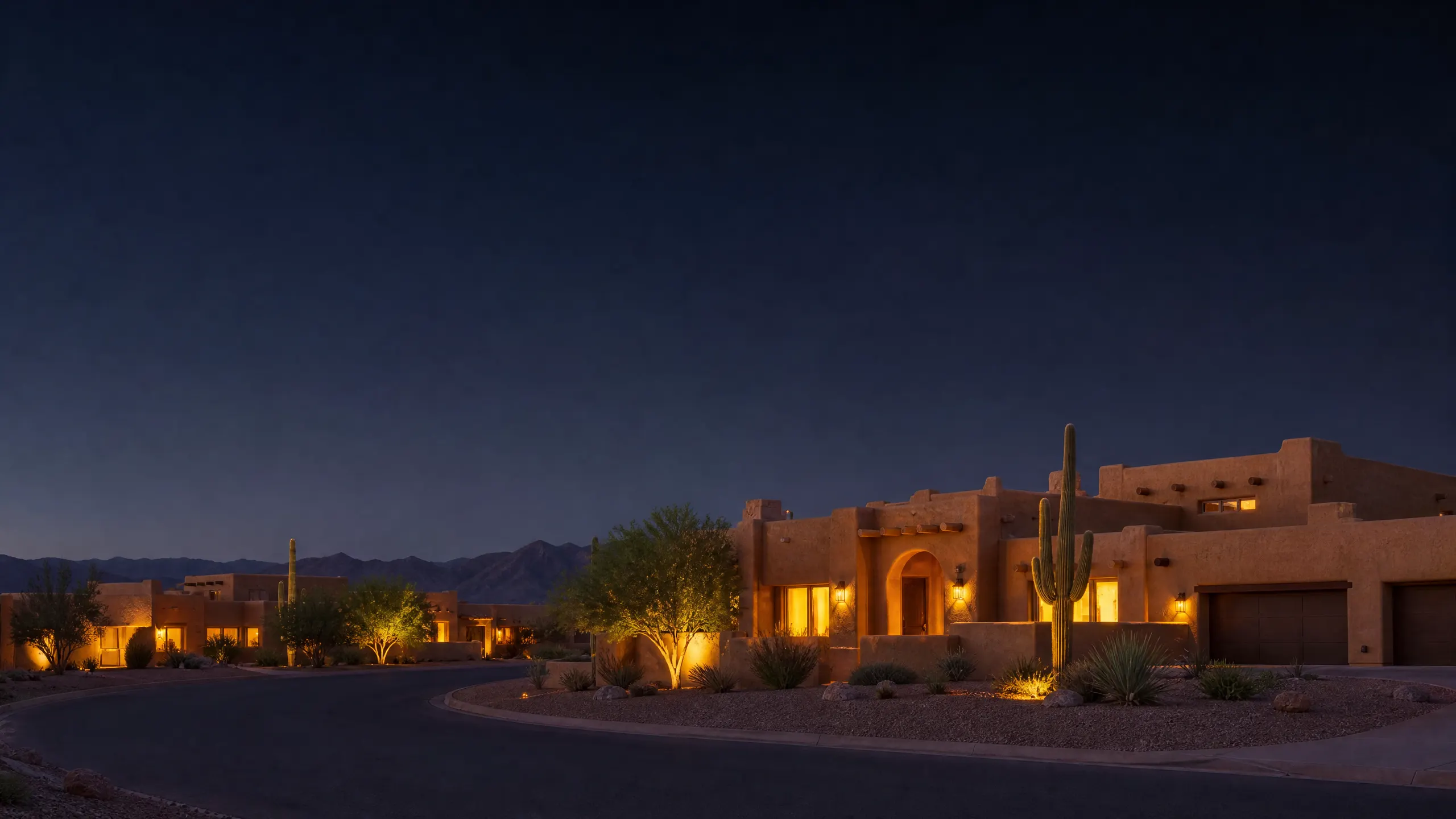
Eight months of work
Furnaces in Torrance County run from October through May, with overnight lows averaging 21°F in December, January and February. That is most of the year asking a lot of the same igniter, blower and heat exchanger.
Takes about a minute. No obligation.
Furnaces in Torrance County run from October through May, with overnight lows averaging 21°F in December, January and February. That is most of the year asking a lot of the same igniter, blower and heat exchanger.
Torrance County has seen winter storms, heavy snow, ice and blizzards, 69 times between 2015 and 2024. A furnace that has not been looked at tends to show its weak parts once the cold and the long runtime set in together.
Gas heats 41.5% of homes in Torrance County, more than any other fuel.
A gas furnace needs its burner, venting and safety controls checked every year, not just a new filter.

A furnace usually tells you something is wrong before it quits for good. Listen for a rattle on startup, or a boom from the burner area when it lights. Watch for a flame that burns yellow or orange instead of steady blue. Short cycling, where it fires up, runs a few minutes and shuts off, is a sign something in the safety controls is tripping early. A burning or metallic smell in the first few minutes of a run is worth paying attention to, though it often clears on its own once dust burns off the heat exchanger. If a room near the furnace stays colder than the rest of the house, or the blower runs but barely moves air, that points to a duct or blower problem rather than the burner itself. None of these mean the furnace is done. They mean it is due for someone to open it up and look.
Heat comes on in October here and stays on through May. September is the month before that starts, and it is the better time for a check. Once the cold sets in, the furnace is running long hours from day one, and whatever was already worn gets found the hard way.
Find a contractor
This clip shows one furnace, but from October through May it is the igniter, the blower and the heat exchanger doing this every day for eight months straight. At 21 degrees overnight, the furnace is not cycling lightly. It is running long stretches to hold the house, night after night, all winter. A part that is already worn does not get a break in there to recover. It gets found.
A quick visit checks the filter, glances at the flame and calls it done. A thorough one pulls the burner assembly, checks flame sense current with a meter, and inspects the heat exchanger for cracks with a light or a camera. It also checks gas pressure against the manufacturer's spec and tests the limit switch and pressure switch instead of assuming they work.
A cracked heat exchanger or a flame sensor reading weak won't show up from across the room. Catching it now means a repair on your schedule, not a no-heat call during a cold stretch. A short visit might still turn up an obvious problem, but it won't tell you the furnace is sound. Only the long version does that.
A clean flame and a filter that isn't clogged don't tell you much about what's happening inside the cabinet. The heat exchanger is the one part a homeowner never sees and can't check themselves, since it sits behind the burners inside the furnace. A small crack in it won't change how the furnace sounds or how warm the house feels, but it means combustion gases can get where they shouldn't. Checking it means pulling the burner assembly and looking with a light or a camera, not just listening for rattles. The same goes for flame sensor current. A sensor can look fine and still read weak on a meter, and a weak reading is usually what shows up months before the furnace starts shutting off on its own. None of this is visible from the vent or the thermostat. It only shows up when someone opens the furnace and tests it directly.
A tune-up has a set order because the parts depend on each other. It starts with the filter and the burner flame, since a dirty filter or a bad flame affects everything downstream of it. From there it moves to combustion. The tech checks gas pressure against the manufacturer's spec and tests for carbon monoxide at the heat exchanger. The igniter gets checked for cracks or a weak glow, since a failing igniter usually still lights the furnace a few more times before it quits outright. The blower motor and wheel get inspected for dust buildup, which makes the motor work harder and run hotter than it should. Belts don't enter into it on most furnaces built in the last few decades, since the blower motor drives the wheel directly. Last comes the safety string. The limit switch, the pressure switch and the flame sensor each get tested on their own rather than assumed good because the furnace happened to start that day.

