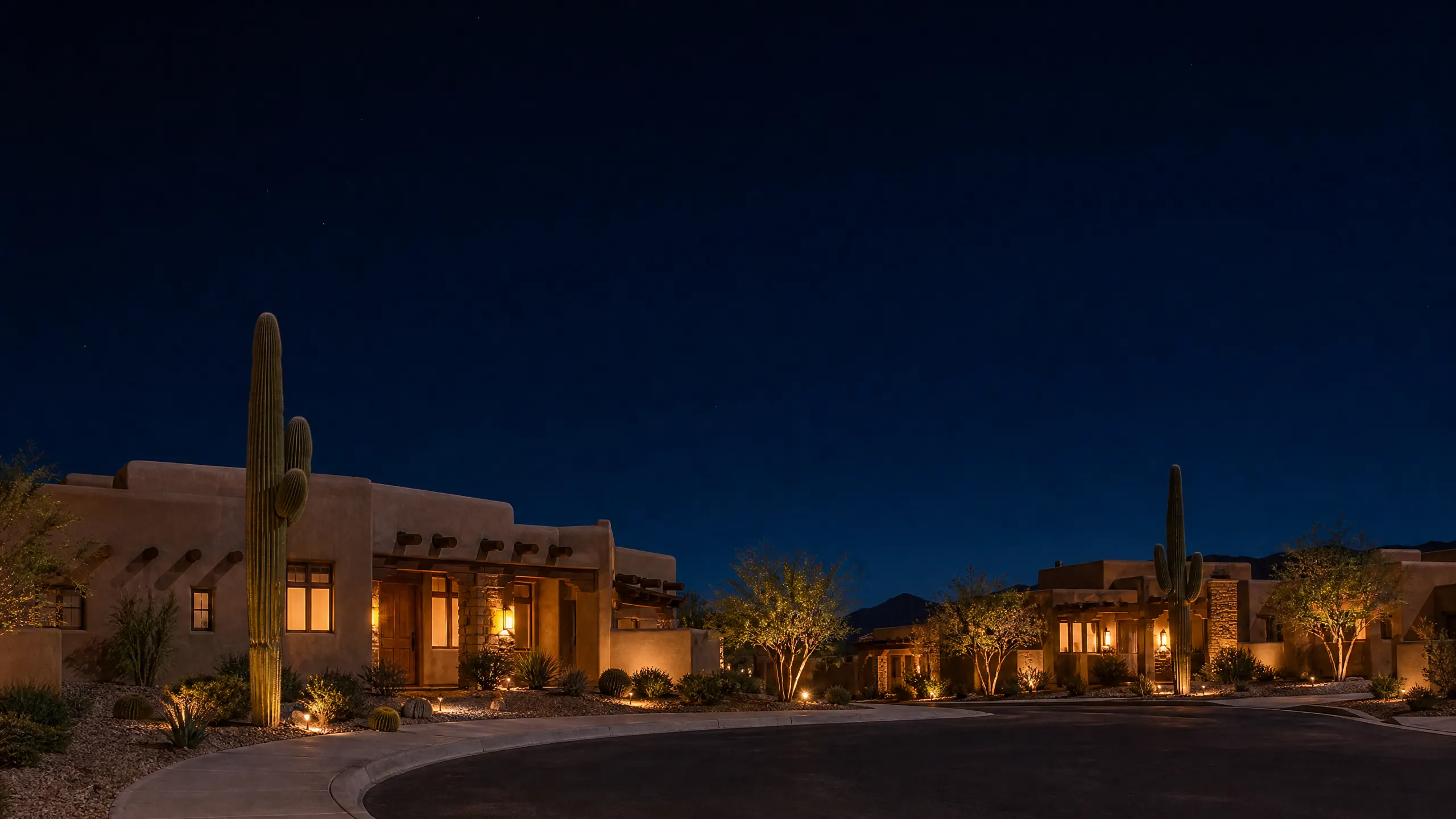



Two illuminated adobe-style desert homes at night, surrounded by saguaro cacti and low desert shrubs along a curved driveway.

Furnace Maintenance in Santa Rosa, NM

Tell us about the job

Takes about a minute. No obligation.

Tune-up, service, or cleaningFurnace or heatingGuadalupe County, NM
Step 1 of 2

What ZIP code is the job in?

Your furnace runs about seven months a year here, October through April, with overnight lows averaging 24°F through the heart of winter. That's the stretch where a furnace that's been skipped over starts to show it, usually on the coldest night of the week. One check before the season gets going, catching a cracked igniter or a dirty flame sensor while it's easy, covers you for all seven months. Guadalupe County has seen winter storms twelve times in the past decade, and a furnace that quits during one of those is a worse problem than one that quits in October. Once a year, timed right, is what this machine needs here. Nothing about this county asks for more than that.

Furnace season in Guadalupe County starts in October, not easing in.

Book the check in September, before the furnace is working at all.

Half the furnaces here are at least that old too

Half the homes here were built by 1976
Heat runs October through April
Winter nights average 24°F

Most homes in Guadalupe County heat with bottled or tank propane, about half of them. LP furnaces burn fuel the same way a natural gas furnace does, with a burner that has to light clean and a flue that has to vent right. A maintenance check on one of these means looking at the burner, the venting and the safety controls, not swapping a filter and calling it done. A cracked heat exchanger or a flue that's not drawing properly matters more on a gas or propane furnace than on an electric one, because it's burning fuel inside your house. That's the check worth getting on the books before the cold sets in.

One check covers the whole winter

Propane ran $27.30 per million Btu in New Mexico last year, and a furnace burning it needs a burner that lights clean. One that's not costs you on every single firing. A check before winter catches that early, and once it's done, it's done for the season.

Find a contractor
A man in a cap, dark shirt and tan work pants walks up porch steps toward a gray front door, carrying a canvas tool bag, with a potted plant on the porch to the right.
A gray gas furnace with attached ductwork and piping installed in an unfinished concrete basement.

Know how old yours is before the tech shows up

That means an annual check should catch things like worn wiring or a connection that's loosened over the years, on top of the burner and venting. If your furnace came with the house, find out when it was put in and whether anyone's serviced it since. That one piece of information tells the contractor what to look at first.

What the burner flame tells a tech

A healthy gas flame burns steady and blue. One that's yellow, flickering, or lifting off the burner means it's not getting the right air mixture, and that can leave soot inside the heat exchanger where nobody sees it. A tech checks the flame with the panel off and the furnace running, something a homeowner never has reason to do.

What a amp reading on the blower motor catches

A blower motor pulling more current than it should is working harder than it needs to, usually because the bearings are wearing out or the motor's aging toward failure. The furnace still runs fine. The sound doesn't change. A clamp meter on the motor leads during a tune-up is the only way to catch that motor before it quits outright.

A furnace usually tells you before it quits outright. A burner cycling on and off faster than it used to is struggling to maintain a call for heat, often because of a dirty flame sensor or a clogged filter choking airflow. A furnace that runs longer each cycle to reach the same temperature is losing efficiency somewhere, even if nothing sounds wrong. Rattling at startup or shutdown usually means a panel has worked loose or a component inside is wearing against its mount. A burner smell that lingers past the first few minutes of a cycle, instead of fading, is worth a look rather than waiting out. None of these stop the furnace from running that day, which is exactly why they go unchecked until the part fails for good.

A proper tune-up starts with the burner and the heat exchanger behind it, not the filter. The tech pulls the panel, looks at the flame, and checks the exchanger for cracks or hot spots that let combustion gases leak into the air your furnace is supposed to be heating. From there it's the flue and venting, making sure exhaust is actually leaving the house instead of backing up. The flame sensor gets cleaned since a coated sensor is the most common reason a furnace shuts itself off mid-cycle. The igniter gets checked too, because a weak one lights slow or not at all on a cold start. Wiring connections get snugged down, since a loose one causes the kind of intermittent fault that's hard to track down later. The blower gets tested under load, not just switched on and listened to. Done this way, nothing gets missed and nothing gets found out the hard way in the middle of a cold night.