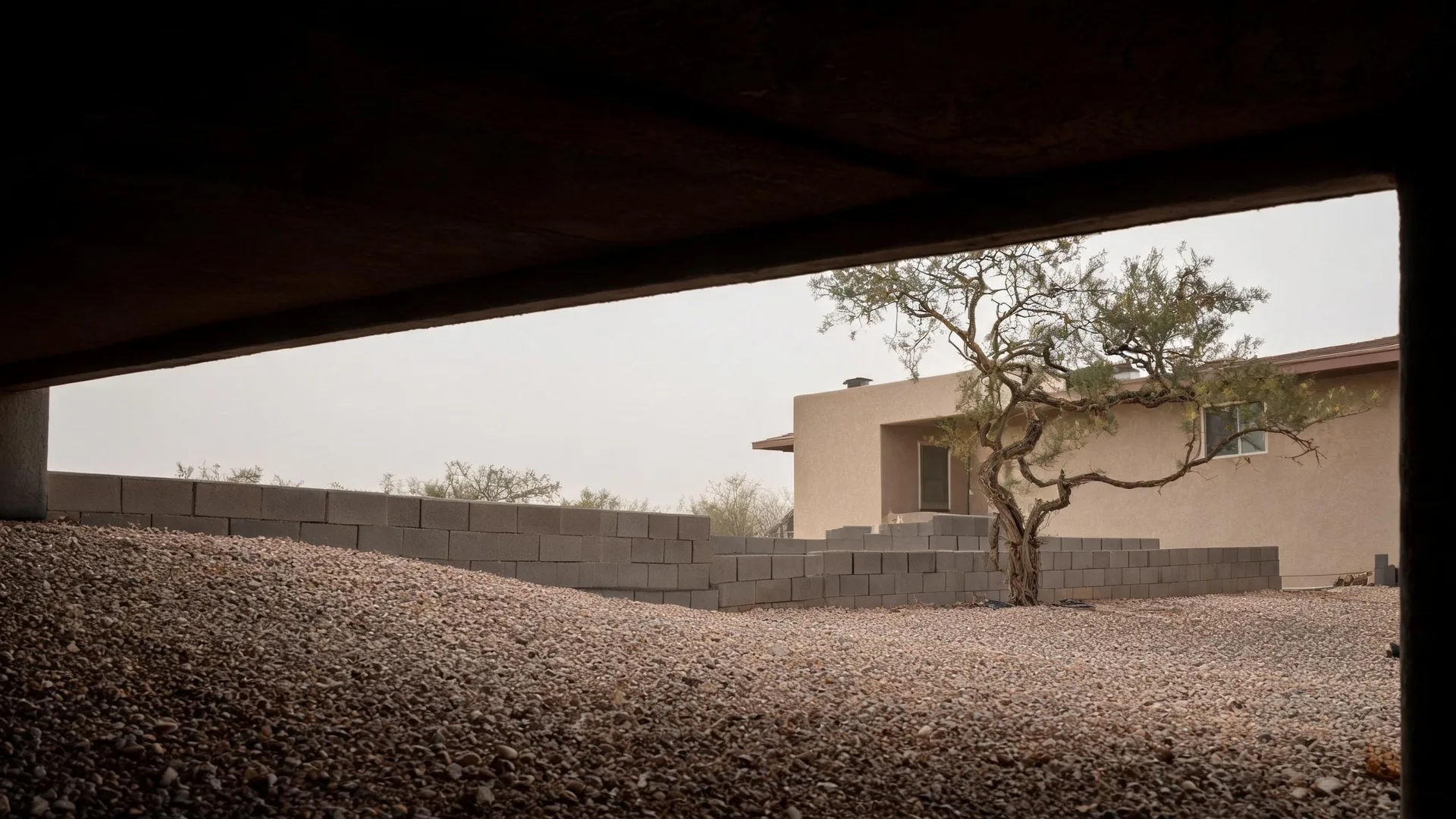


View from beneath a dark overhanging structure across a gravel yard toward a concrete block wall, a gnarled tree, and a single-story stucco house under a pale sky.

Furnace Maintenance in Silver City, NM

Tell us about the job

Takes about a minute. No obligation.

Tune-up, service, or cleaningFurnace or heatingGrant County, NM
Step 1 of 2

What ZIP code is the job in?

Furnace season starts in October here and runs through April. September is the month to get yours looked at, before it has to carry the house. A furnace that fires up cold after sitting all summer is the one that shows you its weak igniter or its worn-out blower motor on the first cold night, not before. Have it checked in September and whatever is wrong gets found before you need the heat, not during the first cold week of October.

Grant County furnaces run October through April, with overnight lows averaging 27°F in December, January and February.

A furnace facing seven months of work like that needs one good check a year, not more than that.

Half the homes here were built by 1978, and a furnace that old needs a yearly look

Half the homes here were built by 1978
Heat runs October through April
Winter nights average 27°F
Most furnaces here run on gasUtility gas heats 42.9% of homes in Grant County, more than electric or propane

A furnace usually tells you before it quits. Short cycling is one of the first signs, where it fires up, runs a few minutes, then shuts off before the house warms. That points to a clogged filter, a cracked heat exchanger, or a flame sensor that needs cleaning. A burner flame that's yellow or flickering instead of steady blue means it isn't burning clean. If the blower runs but the air coming out feels cool, or if some rooms stay cold no matter how long it runs, that's worth a look too. A furnace that smells like it's burning dust the first time you fire it up in the fall is normal for a minute. If that smell doesn't go away, or it smells like something else entirely, that's not something to wait on.

Book it before the season

It starts running hard in the first month of the season here. Book the check the month before.

Find a contractor
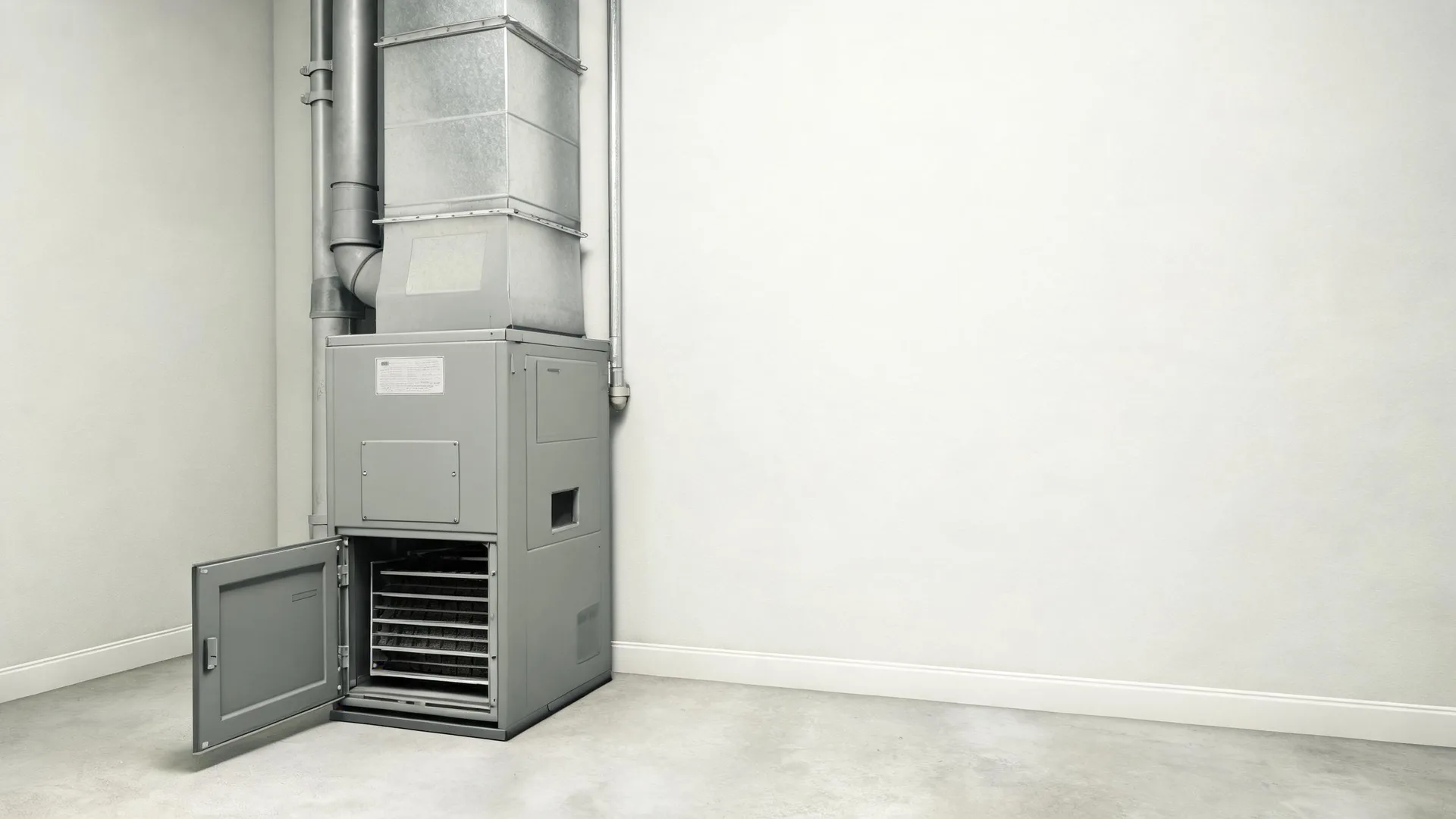
A gray high-efficiency gas furnace installed in an unfinished basement, surrounded by gas lines, a condensate drain, and sheet-metal ductwork.

What gets checked once a year

A technician takes the burner cover off and looks at flame pattern up close, something you'd never do yourself. A flame that looks fine from across the room can still be burning unevenly at the port, which carbons up the burner over time. They'll pull the igniter and check it for hairline cracks, since those don't show until the igniter fails outright. The flue gets checked for a solid connection and a clear path out, because a leak there doesn't show itself until carbon monoxide is already in the house. Belts aren't part of it, most furnace blowers drive straight off the motor, but the blower wheel gets checked for dust buildup that throws it off balance and wears the bearings early. Wiring connections get snugged down, since a loose one causes the kind of intermittent fault that looks like several different problems before anyone finds the real one. None of this shows up from the thermostat.

A thorough check uses tools, not just eyes

A technician doing it right pulls the burner cover and puts a meter on the gas valve. They check amp draw on the blower motor instead of just listening to it spin. A quick visit skips straight to a new filter and a glance at the flame. If nobody opens the cabinet, the furnace got looked at. It did not get checked.
A rushed job misses what matters most

A loose panel or a dirty filter is easy to catch and easy to fix on the spot. A hairline crack in the igniter or a flame sensor reading weak takes longer to find, and those are the parts that strand a furnace mid cycle. Skipping them does not show up right away. It shows up the first time the furnace has to run for hours without a break.

A furnace doesn't have a drain or coils to worry about, that's the air conditioner's job, but the filter still runs the whole show. Air has to pass through it to reach the burner and blower, and a filter packed with dust makes the blower work harder to pull air through. That strain shows up as a blower motor running hot, or as a heat exchanger that cracks sooner than it should because airflow across it is choked down. A dirty filter also lets dust settle on the blower wheel itself, and a wheel caked in dust runs out of balance, which wears the bearings faster than normal use would. None of this happens fast. It happens over a season, filter change by filter change, until the furnace is working against itself every time it runs.

A tune-up ends with the furnace put back together and run through a full cycle, not just taken apart and inspected. The technician fires it up, watches it reach steady flame, and checks that the blower kicks in at the right point and shuts off clean. Gas pressure gets set to the furnace's own spec, not eyeballed, because pressure that's slightly off either starves the flame or runs it too hot, and both shorten the life of the heat exchanger. The cover panels go back on and get checked for a tight seal, since a gap there pulls room air into the cabinet instead of return air through the filter. Carbon monoxide gets tested at the flue or in the supply air, not assumed safe because the flame looks normal. A furnace that passes all of that is one you can trust to run unattended through a cold night.