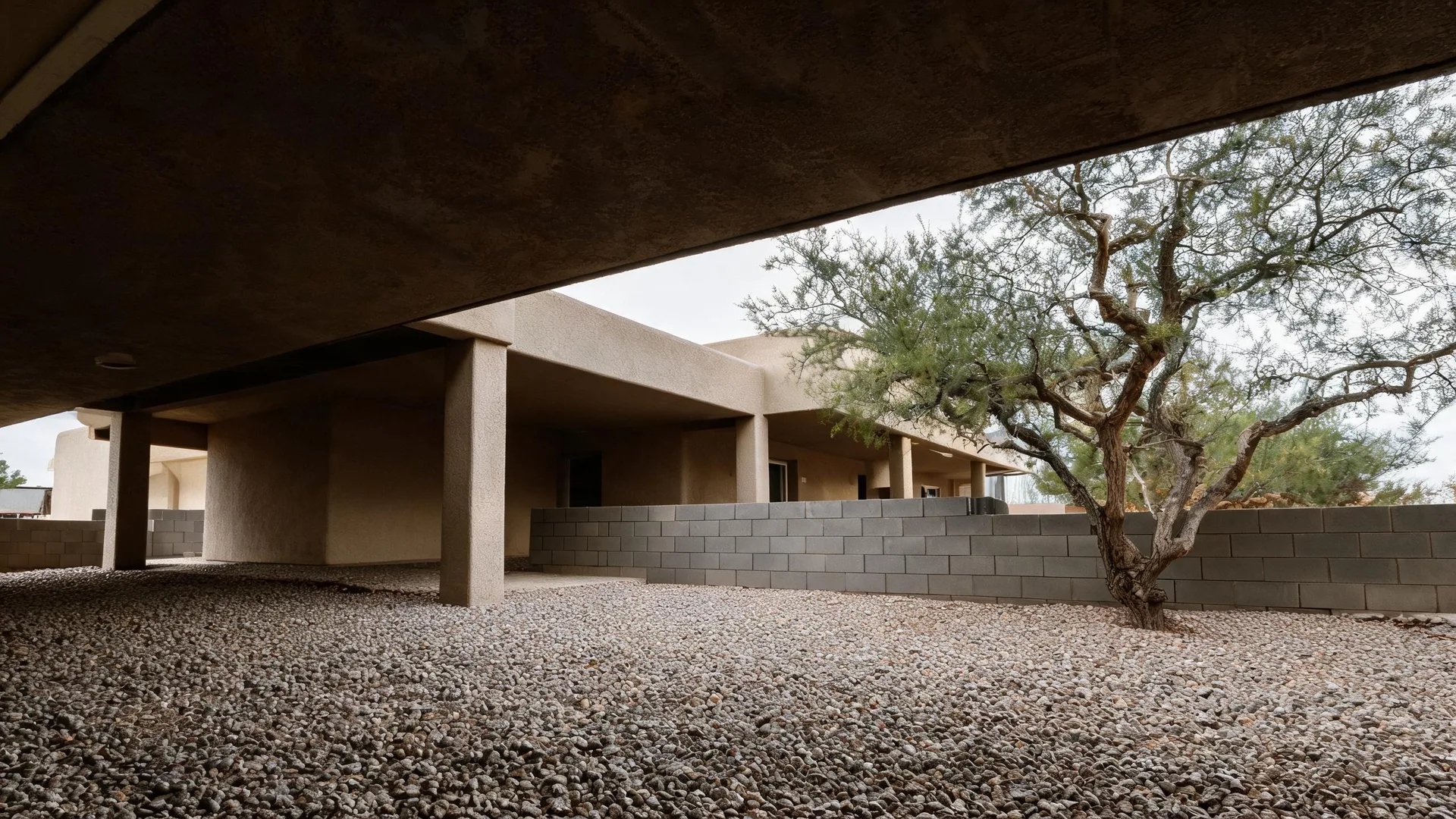


View from beneath a concrete overhang across a gravel yard toward a single-story stucco building with square columns, a gray concrete block wall, and a large bare-branched tree at right.

Furnace Maintenance in Fort Sumner, NM

Tell us about the job

Takes about a minute. No obligation.

Tune-up, service, or cleaningFurnace or heatingDe Baca County, NM
Step 1 of 2

What ZIP code is the job in?

Furnace here runs from October through April, about seven months straight. Winter nights average 26°F, so the furnace is doing real work once it starts, not just taking the edge off. One check before that stretch begins is enough to catch a weak igniter or a clogged filter before it leaves you without heat on a cold night. There's no reason to do it more than once a year. Nothing about this county asks more of a furnace than any other place with a winter like this one.

A cracked heat exchanger doesn't announce itself.

A tune-up checks for it before it puts carbon monoxide into the air you breathe.

October Starts It UpFurnace here runs October through April. Have it checked in September.

Skip maintenance long enough and a furnace doesn't fail outright, it just starts hiding its own warning signs. A flame sensor coated in corrosion makes the furnace shut off a few minutes after it starts, and most people assume that's just how the thing has always run. A dirty blower wheel makes the motor strain to push the same air through the house, and a motor that strains wears out before its time. A cracked heat exchanger gives no sign at all from the outside, it just sits there until a tune-up catches it or it doesn't. None of this looks urgent in the moment. It just quietly gets worse until the one cold night it finally quits.

Keep the yearly check

Once a year is enough here.

Find a contractor
A gray high-efficiency gas furnace installed in an unfinished basement, surrounded by gas lines, a condensate drain, and sheet-metal ductwork.

Between Visits

Change the filter yourself. A dirty filter chokes airflow, and the furnace runs longer to push the same heat through, which wears on the blower motor and can overheat the heat exchanger. Check it every month the furnace is running, hold it up to a light, and swap it when you can't see through it. Keep furniture and boxes away from the return vent, the one pulling air in, and the supply vents in each room. Walk past the furnace itself once in a while and listen. A rattle, a burning smell, or a yellow flame instead of blue means call someone before the next cold night, not after. Past that, leave the inside of the unit alone. The igniter, the flame sensor, and the heat exchanger need a trained hand and the right tools.

What a quick visit skips

A fast tune-up checks the filter and listens for the burner to light. A thorough one pulls the burner assembly, checks the flame sensor for corrosion, and tests the pressure switch and limit switch under an actual heat cycle, not just at startup. It also checks the flue for a solid connection and proper draft, since a flue pulling wrong can send exhaust back into the house instead of outside.

What goes unnoticed until it fails

A flue that has come loose or started drafting wrong gives no warning on its own. A blower motor drawing more amps than it should will keep running right up until it doesn't, usually partway through a cold stretch. These are the checks a rushed visit tends to leave out, and the ones most worth having done.

A proper tune-up starts with the burner, pulled out and looked at, not just lit and left. The technician checks the flame sensor for corrosion, since a coated sensor makes the furnace shut off early or refuse to stay lit. The heat exchanger gets inspected for cracks, which is the one check that matters most, because a cracked exchanger can let exhaust mix into the air moving through the house. The pressure switch and limit switch get tested while the furnace is actually running a heat cycle, not just at startup, since some failures only show up once the system has been running a while. The flue gets checked too, for a tight connection and good draft, so exhaust is actually leaving the house instead of finding its way back in. Gas pressure gets checked and adjusted if it is running rich or lean. Last, the blower motor and wheel get checked for wear and cleaned if they are coated with dust, since a dirty blower makes the motor work harder than it should.