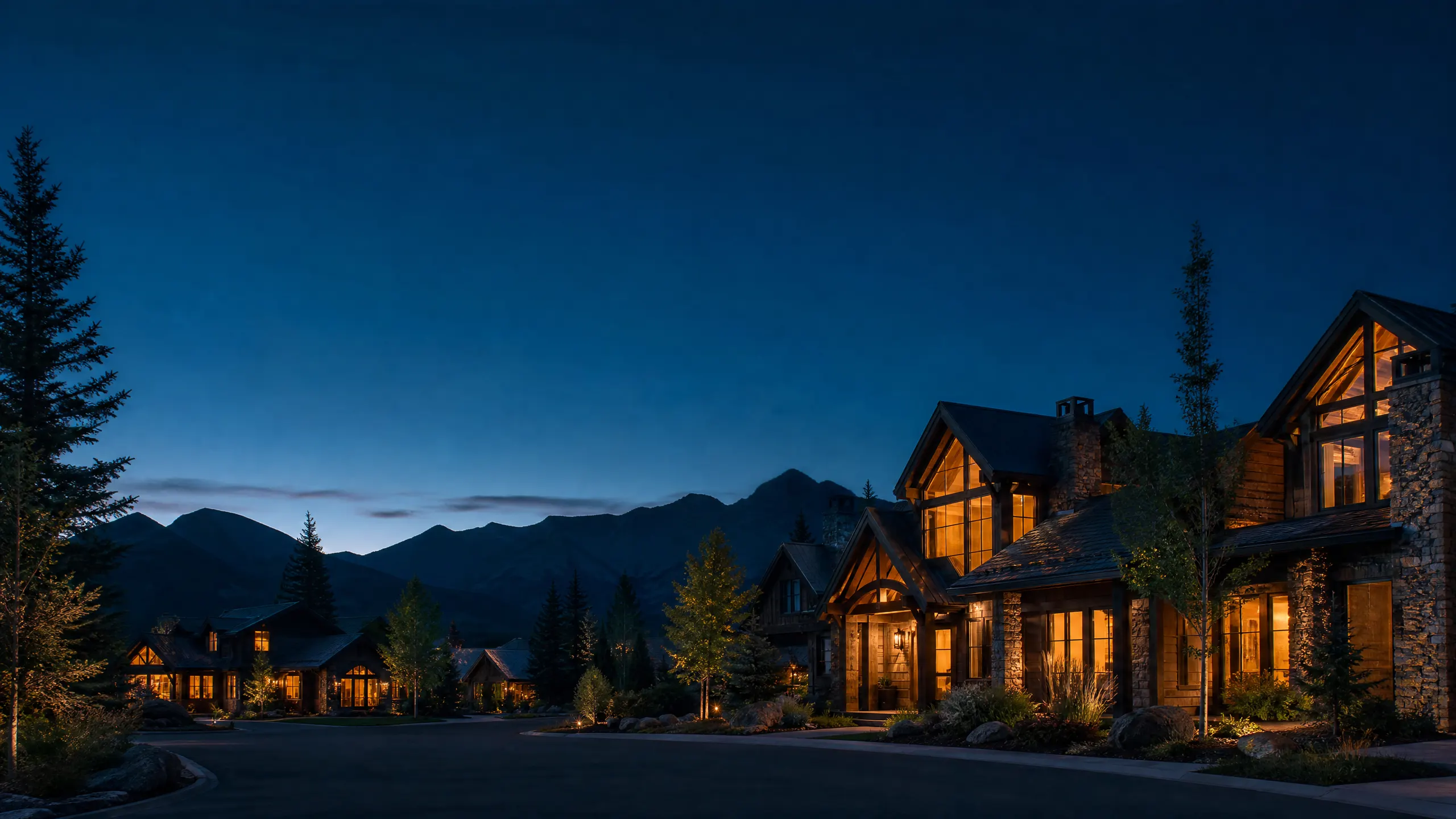
Illuminated stone-and-timber mountain homes line a quiet street at dusk, with evergreen trees and a mountain range in the background.

Furnace Maintenance in Farmington, NM

Tell us about the job

Takes about a minute. No obligation.

Tune-up, service, or cleaningFurnace or heatingSan Juan County, NM
Step 1 of 2

What ZIP code is the job in?

Eight months of heat

Furnaces in Farmington run from October through May. Overnight lows average 20°F through December, January and February, so the furnace isn't cycling on and off a few times a day. It's holding that line for hours, night after night, for most of the year.


Snow doesn't wait for a good time

San Juan County saw 30 winter storms between 2015 and 2024, heavy snow, ice, blizzards. A furnace that's been slowly losing strength usually shows it on the coldest night, not before, and that's exactly when a storm can keep a contractor from reaching the house quickly.

Furnaces here start working hard the first week of October.

Get the check done in September, before that first cold stretch hits.

One tune-up a year keeps pace with a furnace this old

Half the homes here were built by 1986
Heat runs October through May
Winter nights average 20°F

Most homes in San Juan County heat with gas, 63 percent of them. That's a lot of furnaces with a burner, a gas valve and a flue instead of just a heat strip. Gas maintenance means checking the burner flame, the igniter, and the venting, not just swapping a filter. A cracked heat exchanger or a flue that's not drafting right won't announce itself. It just sits there until someone checks it.

Get it checked before the cold sets in for good

A furnace that loses strength usually shows it on the coldest night, with a storm outside and a long wait for a contractor. A check now catches the worn part while it's still just worn, not failed.

Find a contractor
A man in a dark shirt and brown work pants, seen from behind, carries a worn canvas tool bag up porch steps toward a dark front door, with a potted shrub to the right.
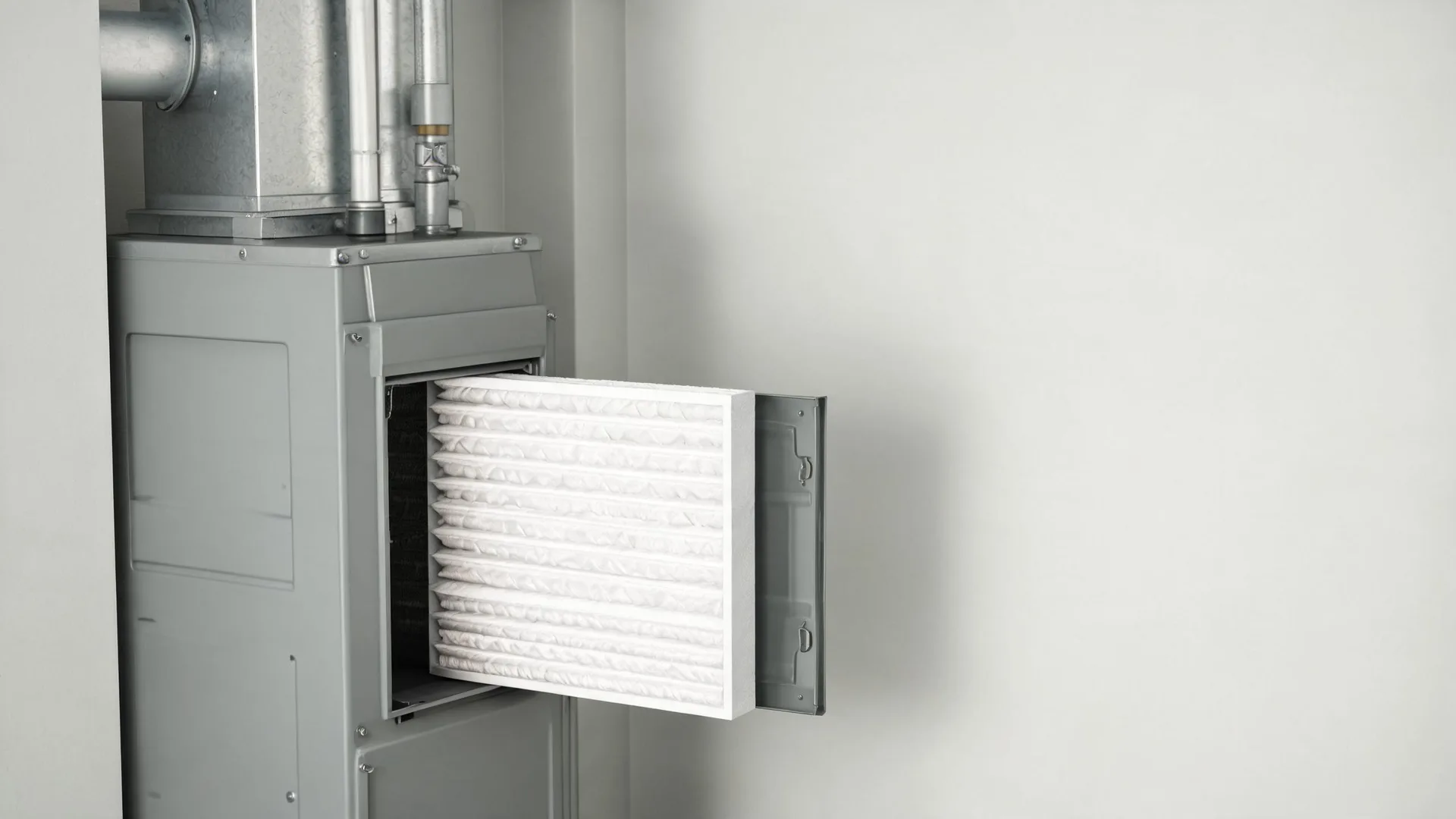
A gray residential gas furnace installed in an unfinished basement, connected to sheet-metal ductwork and PVC pipes.

The furnace tells you before it fails

A furnace gives off warning signs long before it quits. The burner flame should burn steady and blue. If it's flickering yellow or orange, something's off with the combustion. A furnace that short cycles, turning on and shutting off again within a few minutes, is struggling to satisfy the thermostat or overheating and tripping a safety switch. Rattling, a knock on startup, or a squeal from the blower wheel all point to something loose or worn that won't fix itself by running longer. Rooms that used to heat evenly and now don't can mean a duct problem or a blower that's lost strength. A yellow tint on a register or a sooty smell means incomplete combustion, and that's not something to wait on. None of these show up on a day when the furnace barely runs. They show up when it's working hardest, holding a temperature for hours at a stretch.

What a skipped year leaves behind

Dust builds on the burner and the flame stops burning clean. The blower wheel collects grime and moves less air for the same effort. A dirty flame sensor starts misreading the flame and shuts the burner down early. None of this breaks the furnace outright. It just makes every part of the system work harder to do what it used to do without strain.

Why the wear stays hidden until it doesn't

A furnace that's losing ground still heats the house most days. The thermostat gets satisfied eventually, just with a longer cycle and more fuel spent getting there. Nobody's standing at the furnace watching the flame color or listening for a new sound in the blower. The strain stays out of sight until a cold night asks the furnace for more than it has left to give.

A quick visit means someone pulls the filter, glances at the flame, and calls it done. A thorough one means the burner assembly comes out for a real cleaning, not just a look. The flame sensor gets cleaned or tested, not just checked for presence. The heat exchanger gets inspected for cracks, because that's the part that can put combustion gases where they don't belong. The flue and venting get checked for a proper draft, not just a glance to see it's connected. The blower wheel gets pulled and cleaned if it's caked with grime, not left alone because it's still spinning. Gas pressure gets measured at the manifold instead of assumed correct. Electrical connections get tightened, since a loose one causes the exact short cycling a homeowner notices months later. Ask what was actually touched. If the answer is just the filter, that's not a tune-up, that's a filter change.

A real tune-up ends with numbers written down, not just parts wiped clean. Static pressure gets measured across the filter and the coil, because a reading that's climbed from last year means something downstream is restricting airflow before it ever shows up as a symptom. Temperature rise gets checked across the heat exchanger, comparing the supply air to the return air against what the furnace is rated for. Too high and the exchanger is running hotter than it should, too low and it's not extracting the heat it's burning fuel to produce. The igniter gets looked at for a hairline crack, since a hot surface igniter weakens with age and can glow fine while it's actually one cycle from failing. Capacitor readings on the blower motor get checked against their rating, because a capacitor can test weak long before the motor won't start at all. None of this takes a fitting apart or takes the furnace out of service for the day. It's the difference between someone confirming the furnace still runs and someone confirming it's still running the way it's supposed to.