


What the cold does to a heat pump here
Winter is the whole question in Colfax County. The heat runs nine months a year, September through May, and the overnight low averages 17°F in December, January and February. That number matters more than any efficiency rating, because a standard heat pump starts losing ground well above it. Below 40°F it puts out less heat than its rating says. Below about 35°F it often needs backup heat to keep up. Here, both marks sit above your average winter night, not below it, and every one of the roughly 175 nights a year that drop to freezing or colder is on the wrong side of both.
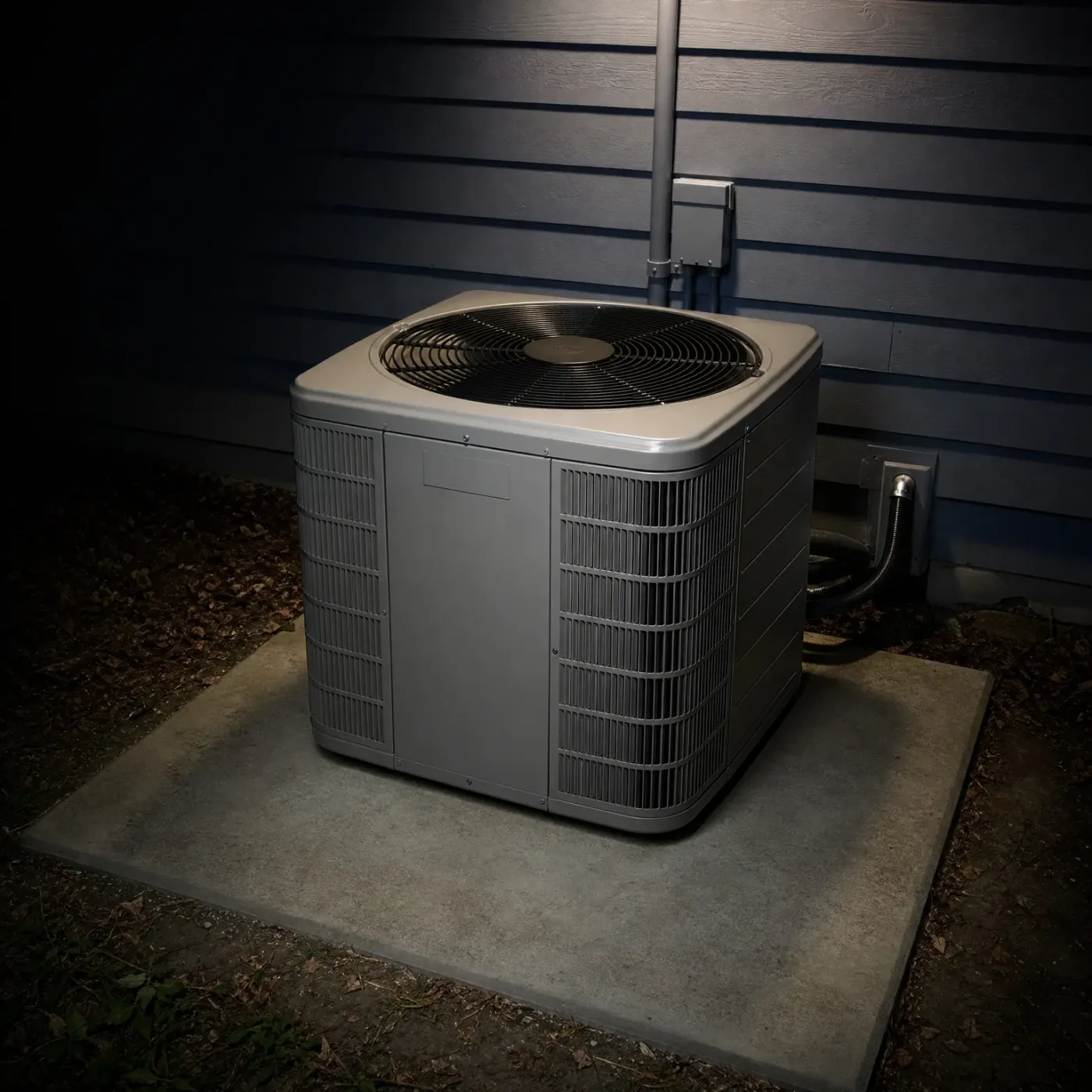
That doesn't mean a heat pump quits. It means it's working harder and getting less from that work on the nights you need it most. A unit built to the federal minimum, the kind the running cost on this page is based on, has no claim to doing better than that in a Colfax County winter. There is a kind built for this: the ENERGY STAR Cold Climate heat pump, which has to deliver real heat and hold most of its capacity down at 5°F, tested by someone other than the manufacturer. Field testing on prototypes like these found backup heat carried only a small share of the load between 0°F and 35°F, and running on backup alone was rare even above 0°F. That is a different machine from the one priced in the comparison above, and it costs more to buy. If a heat pump is on the table here, it is worth asking which kind you are being quoted.