




What winter here does to a heat pump
Your winter low here averages 22 degrees, and that is the number that matters most in this decision. A standard heat pump starts losing capacity below 40°F and often needs backup heat below about 35°F. Your average night is below both marks. This is not a cold snap a few times a year. It is most nights from October through May, the eight months your heat runs.
About 180 nights a year here drop to freezing or below, more than half the nights in your heating season. On those nights a standard heat pump is working below its rating, leaning on backup heat to make up the difference. Only about 6 nights a year reach 0°F, so the extreme cold is rare, but ordinary freezing nights are not. Those are the nights that set the bill.
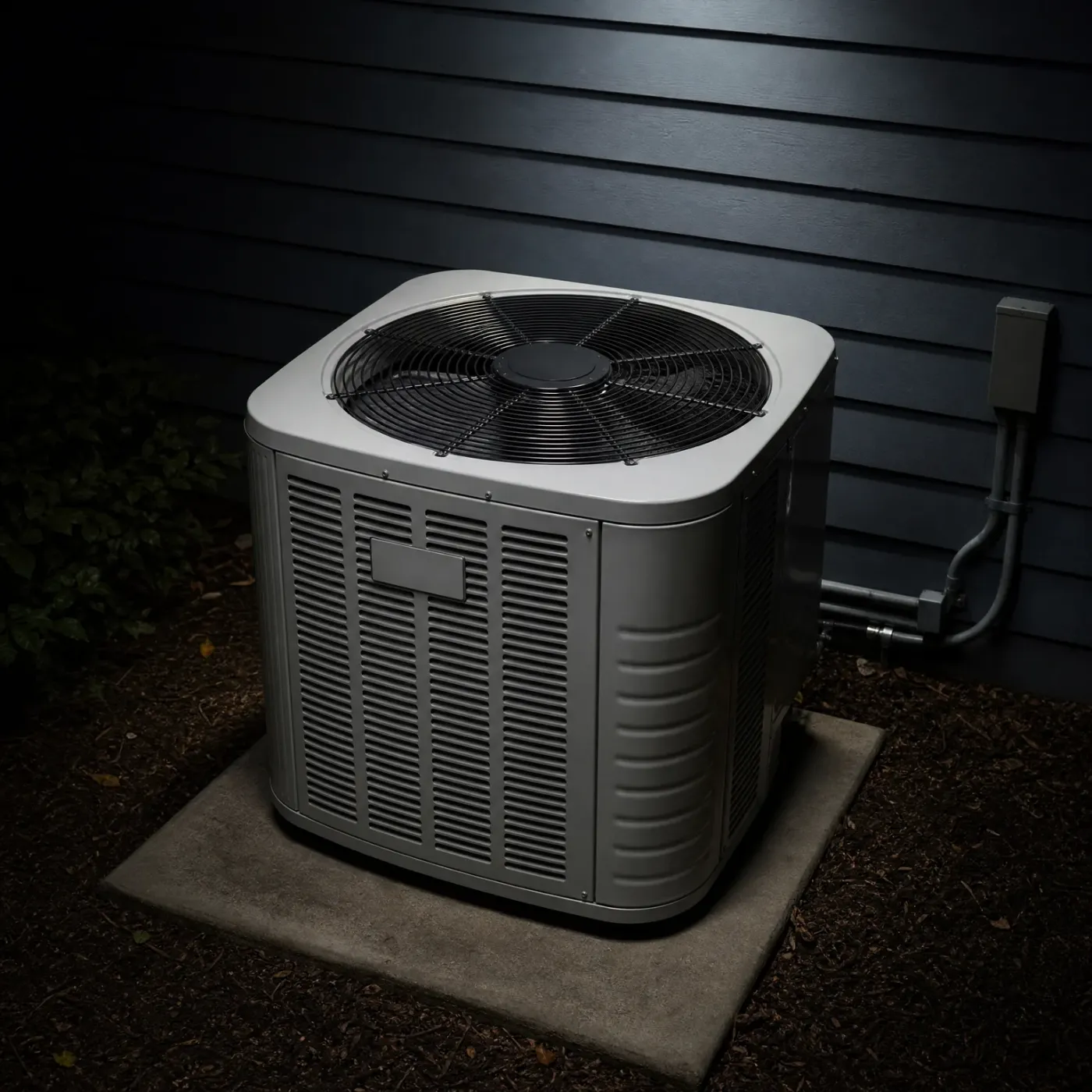
A cold climate heat pump is built for this. To earn that label a unit has to prove it still makes 1.75 units of heat per unit of electricity at 5°F and holds onto at least 70 percent of its capacity at that temperature, tested by someone other than the manufacturer. Field tests of these units in occupied homes found backup heat carried only a small share of the load between 0°F and 35°F, and the units rarely ran on backup alone even near 0°F. That is a different machine than the federal minimum unit priced in the running cost comparison above. If you are set on a heat pump here, that distinction is the one to ask your contractor about.
The running cost numbers above already assume a standard heat pump with no backup heat added in. In a county where every night below freezing sits below both the 40°F and 35°F marks, that comparison understates what a standard heat pump would actually cost you to run here. A cold climate model closes some of that gap. A standard one does not.