

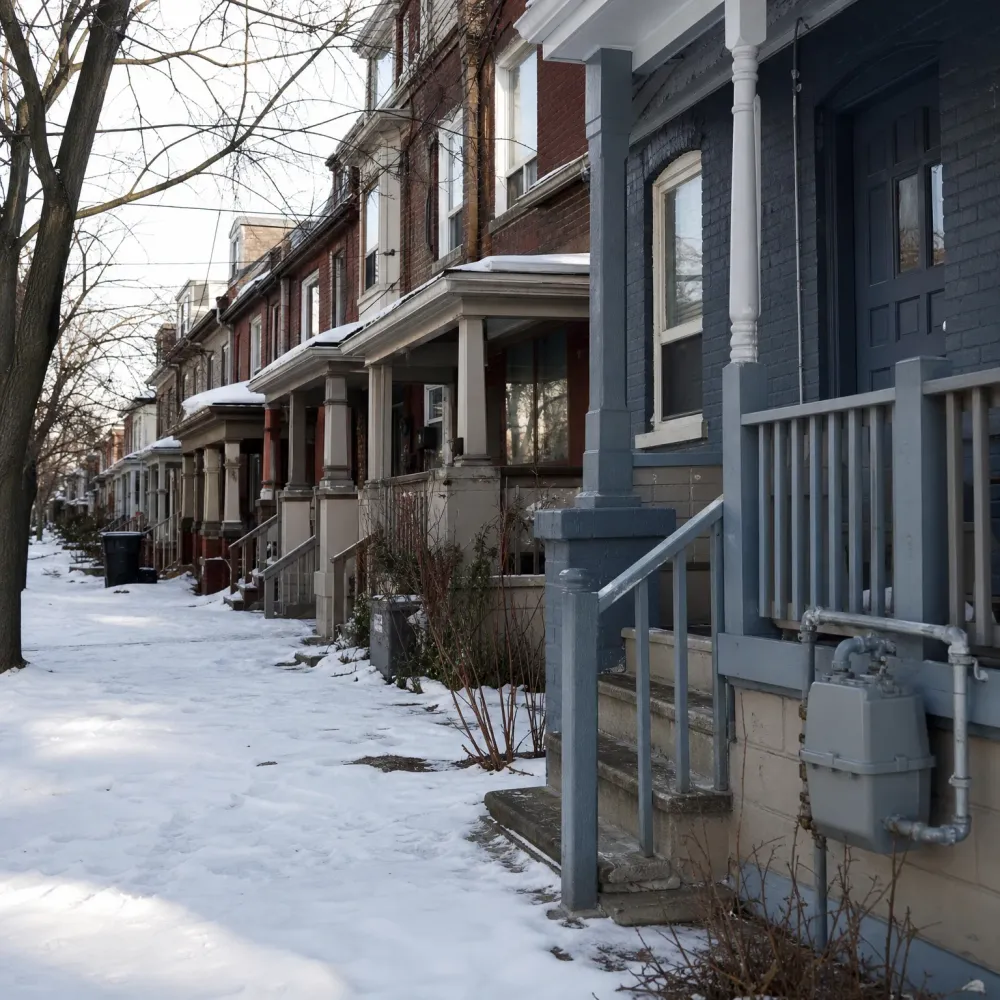

Winters here are long and genuinely cold
Heat runs about eight months a year in San Juan County, October through May. That is the long season here, not the three months of summer cooling. Whatever you install spends most of its working life heating the house, not cooling it.
The overnight low averages 20°F across December, January and February. That is below both marks that matter for a heat pump. Below 40°F a standard heat pump's output falls short of its rating. Below about 35°F it often needs backup heat to keep up. An average winter night here is below both, and it falls to freezing or colder about 150 nights a year, over half the nights in the heating season. Only about one night a year drops to 0°F, so the real story isn't extreme cold, it's that ordinary winter nights here already sit in the range where a standard heat pump is working harder than its rating suggests.
A heat pump built to the federal minimum still heats the house on those nights. It just needs backup heat more often than it would somewhere milder, and it costs more to run while doing it. The running-cost numbers already shown, $1.89 against $1.10 per 100,000 Btu, are the federal-minimum heat pump against the federal-minimum furnace, and they hold up: a gas furnace makes the same heat for at least 41% less at today's New Mexico prices.
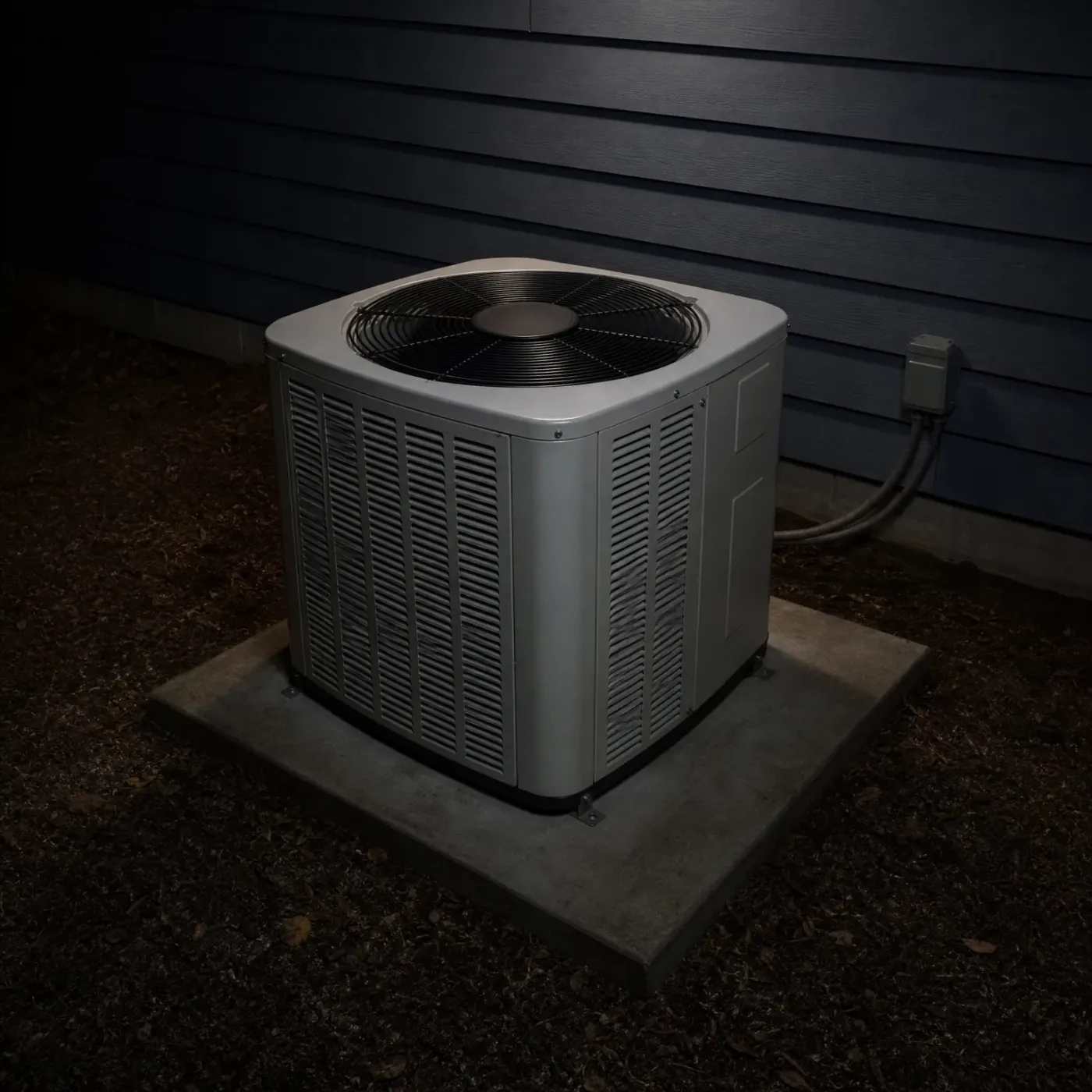
A cold-climate heat pump changes the output side of that problem. To earn the ENERGY STAR Cold Climate label, a heat pump has to keep at least 70 percent of its 47°F heating capacity at 5°F, and still make more heat than electricity put in at that temperature. In field testing of prototype cold-climate heat pumps over two winters, backup heat covered only a small share of the total heat needed between 0°F and 35°F, and the units rarely ran on backup alone above 0°F. That's the range this county lives in most winter nights. It doesn't change what electricity costs against gas here, only how much backup heat you're paying for on top of it.