

Can a heat pump keep up in Grant County winters
Your winter nights settle around 27°F on average, and about 110 nights a year here dip to freezing or below. That matters because a standard heat pump starts losing ground before it even gets that cold. Below 40°F it puts out less heat than its rating says. Below about 35°F it often needs backup heat to make up the difference. Every single one of your cold nights here falls under both marks.
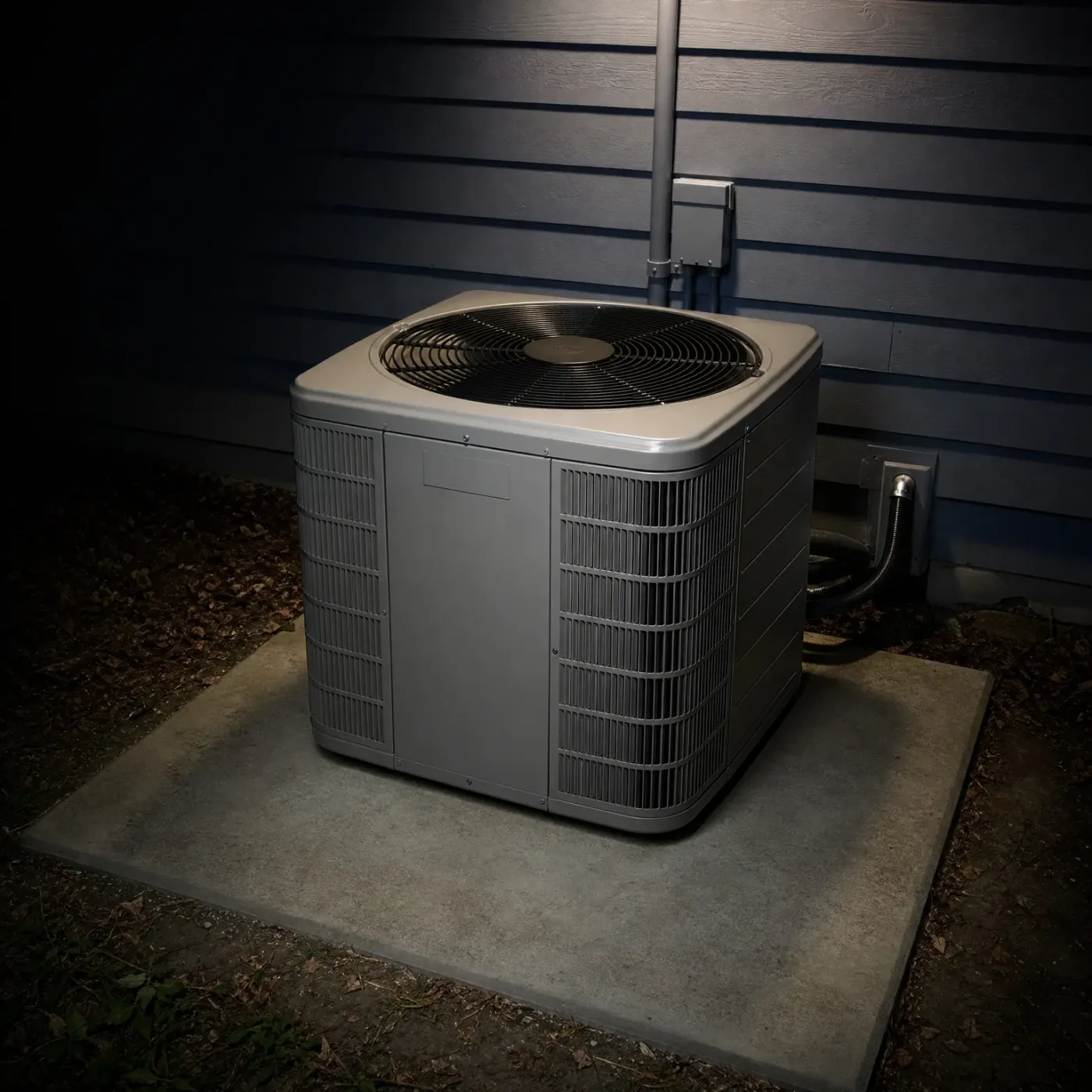
That does not mean a heat pump leaves you cold. It means it is not working alone on your coldest nights. Most heat pumps have electric backup heat built in for exactly this, and it switches on automatically when the outdoor unit can't keep up. If you want a heat pump that is built for this, look for the ENERGY STAR Cold Climate label. To earn it, the unit has to keep at least 70 percent of its heating power at 5°F and still turn one unit of electricity into at least 1.75 units of heat at that temperature. A field test of these cold-climate units in real homes over two winters found backup heat carried only a small share of the load between 0°F and 35°F, and the units almost never ran on backup alone unless it was below 0°F. Grant County sees that kind of cold less than one night a year.
So a heat pump here spends most of its 110 freezing nights doing the job itself, with backup heat filling in at the margins rather than carrying the house.