
Winter here is long and genuinely cold
Heat runs eight months a year in Torrance County, October through May. Cooling runs three, June through August. Whatever you buy, it spends most of its life as a heater, not an air conditioner.
The overnight low averages 21°F across December, January and February. It falls to freezing or below about 175 nights a year, over half the nights in the stretch the heat runs. It reaches 0°F or below about 5 of those nights.
A standard heat pump puts out less than its rated heat once it is below 40°F outside, and below about 35°F it often needs backup heat to make up the rest. Every one of those 175 freezing nights here falls below both marks. That is not a cold snap a few times a winter, it is most of the season.
None of that rules out a heat pump. It means the base model is not built for this county. A heat pump carrying the ENERGY STAR Cold Climate mark has to make at least 1.75 units of heat per unit of electricity at 5°F and hold on to at least 70 percent of its warm-weather capacity at that temperature, verified by outside testing, not the manufacturer's own numbers.
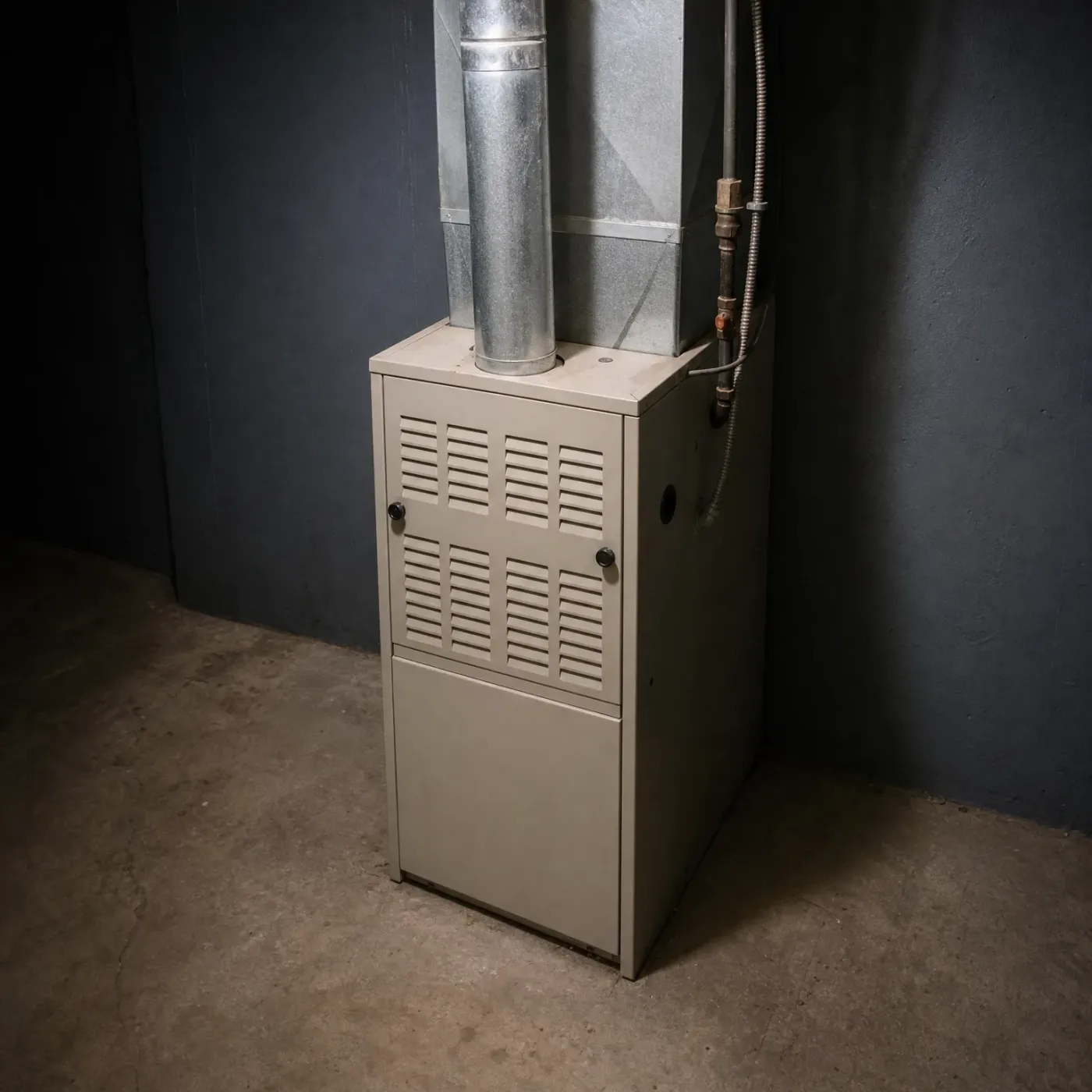
A two-winter field test of cold-climate heat pumps in occupied homes backs that up. Backup heat covered only a small share of what the home needed between 0°F and 35°F, and running on backup alone was rare even at 0°F. A furnace does not face this split at all. It makes the same rated heat at 20°F as it does at 40°F, because burning gas does not depend on the temperature outside.