Furnace running as it should
The flue pipes show white, no soot at the draft hood. The blower moves air through the ductwork at a steady hum, and the air coming out of your vents is warm within a few minutes of the thermostat calling for heat.
First, check the thermostat is set to heat and the batteries are good, then check the breaker for your furnace hasn't tripped. Most homes in Las Cruces heat with gas, and gas furnaces need power too, for the blower and the igniter, so a tripped breaker can leave you with no heat even though the gas is still on. If the breaker's fine, look at the furnace itself: a light that blinks a pattern is telling you something is wrong, and an unlit pilot or an igniter that won't glow means the burners can't light at all. Winters here get cold enough that a dead furnace is more than an inconvenience, especially overnight. If the basics check out and it still won't run, the problem is inside the unit, in the ignition system, the gas valve or the blower motor, and that's a repair, not something to keep testing on your own.
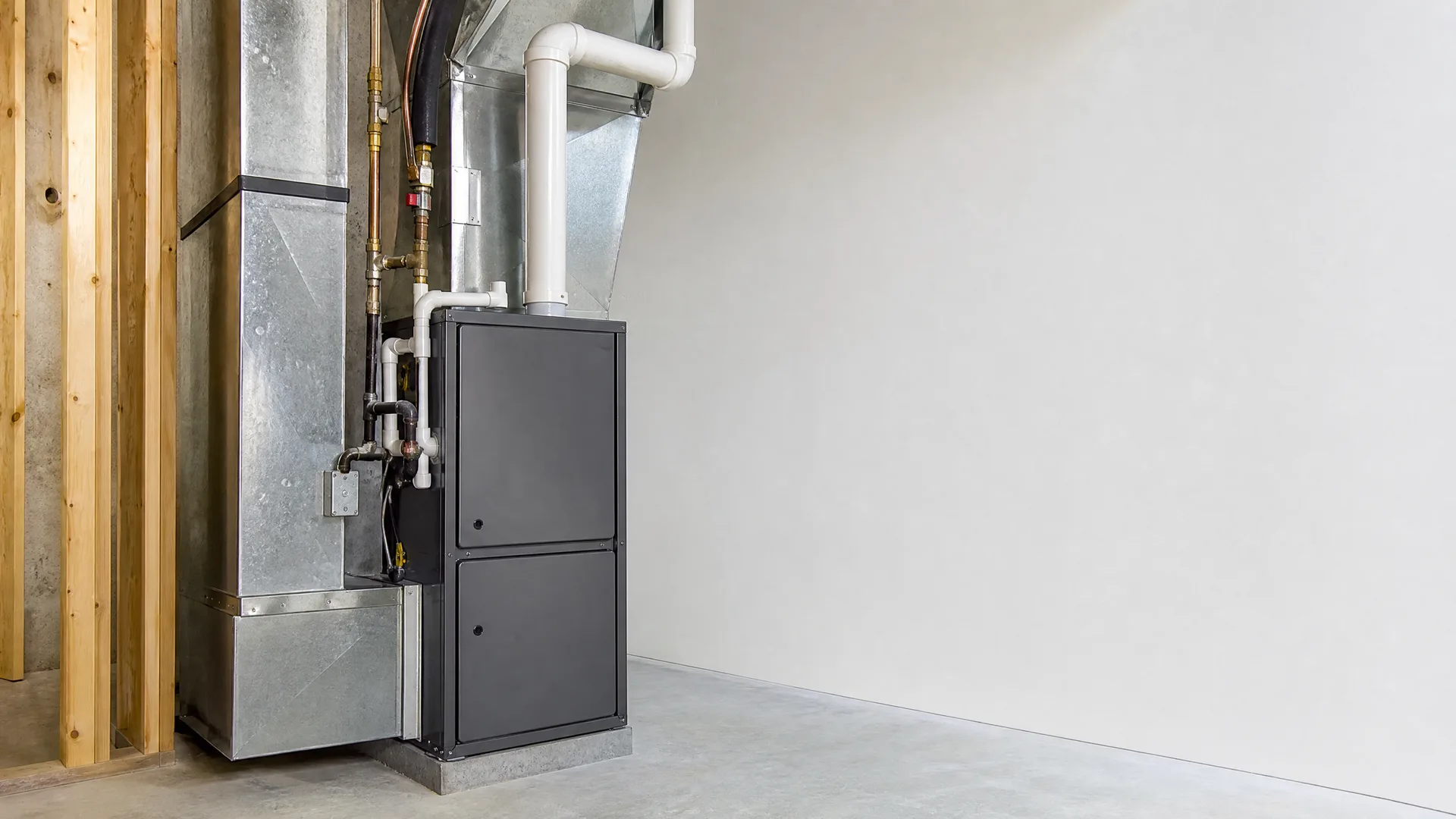
Gas furnaces here use a hot surface igniter instead of a pilot light. It glows to light the burners each time the thermostat calls for heat, and it wears out with use. When it cracks or fails, the furnace will run its blower but never produce heat, which feels a lot like a gas problem when it's actually an electrical part worth checking.
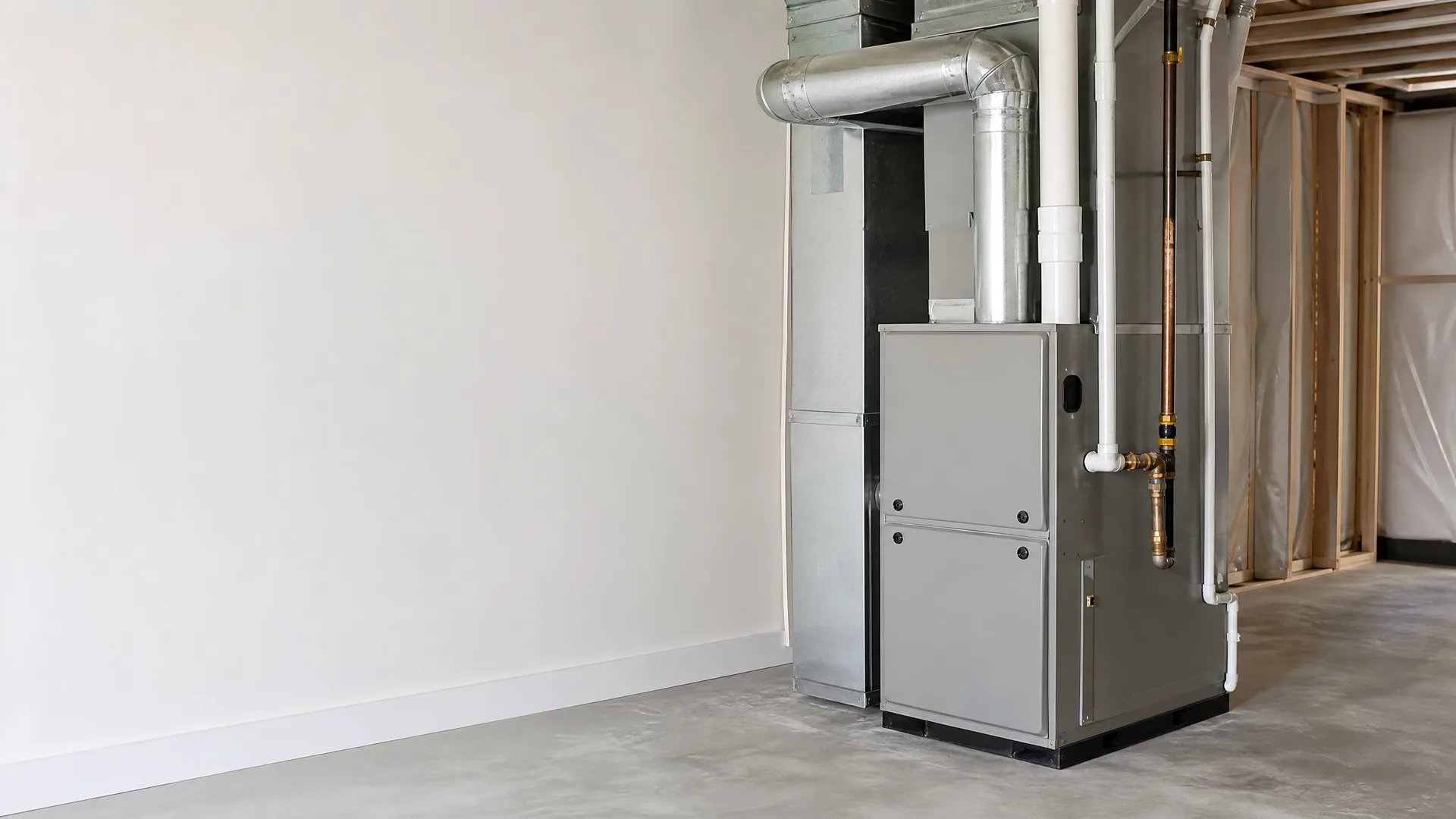
Furnaces vent exhaust outside through a pipe on the roof or an exterior wall. If that vent gets blocked by a bird nest, debris, or anything else, many furnaces are built to shut down rather than run unsafely. Walking outside to look at the vent takes a minute and rules out a cause that has nothing to do with the furnace itself.
You hear the blower kick on, air is moving out of the vents, but it never warms up. That points to the igniter, not the thermostat. You might also notice the furnace clicking on and off every few minutes without ever reaching the set temperature, or a burnt smell the first time it runs after sitting all summer. Cold nights in Las Cruces can drop into the 30s, and a furnace that won't fire means space heaters running all night to cover for it, which costs more on the power bill and isn't something to rely on for long in a house with kids or older adults.
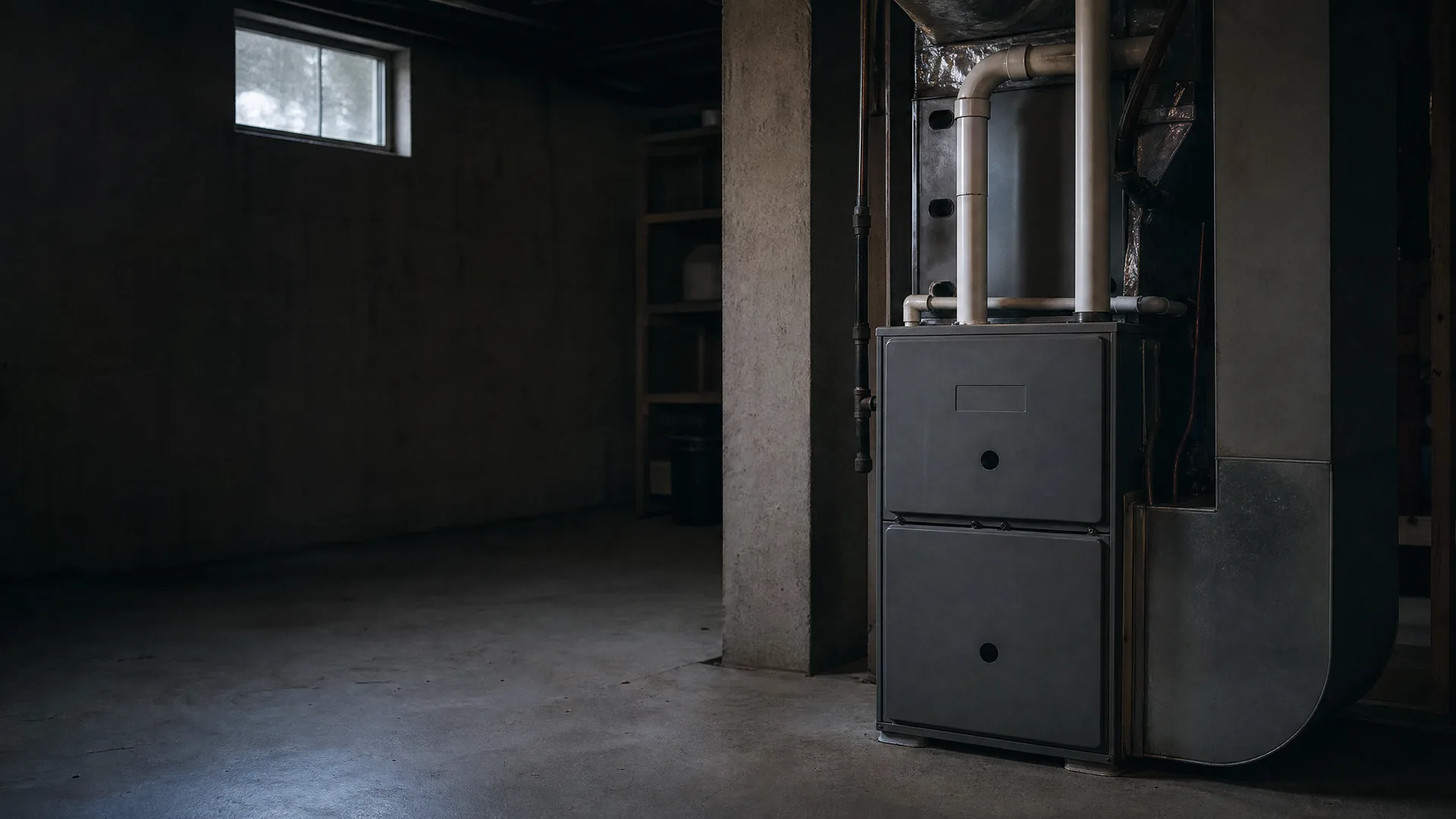
Evening, and the light outside the basement window has gone from gray to nearly black. You flipped the switch at the top of the stairs on your way down, and the bulb near the furnace throws just enough light to see it sitting there dark. No hum, no blower, nothing. A thin haze of dust hangs in the beam, stirred up when you bumped the ductwork reaching past it. Outside, Doña Ana County is settling into a cold November night, the kind where the house needs the furnace by nine or ten o'clock. You crouch by the access panel, hand on the cold metal, waiting to hear it try and catch.
Winter nights average 30°F
Nights in December, January and February average 30°F here. A furnace that quits on one of those nights isn't a minor inconvenience.
Heat runs November through April
Heat runs November through April in Doña Ana County. That's half the year your furnace has to work every time it's called on.
60.7% of homes heat with gas
Gas heats 60.7% of homes in Doña Ana County, more than any other fuel. If yours is one of them, the furnace is only part of the picture, the gas line and its power supply matter too.
NOAA nClimDiv 1991-2020 · ACS 2020-2024
Thermostat calls for heat and sends power to the control board
Inducer motor starts and clears the heat exchanger of old gas
Hot surface igniter glows to light the burners
Flame sensor confirms the burners lit and keeps gas flowing


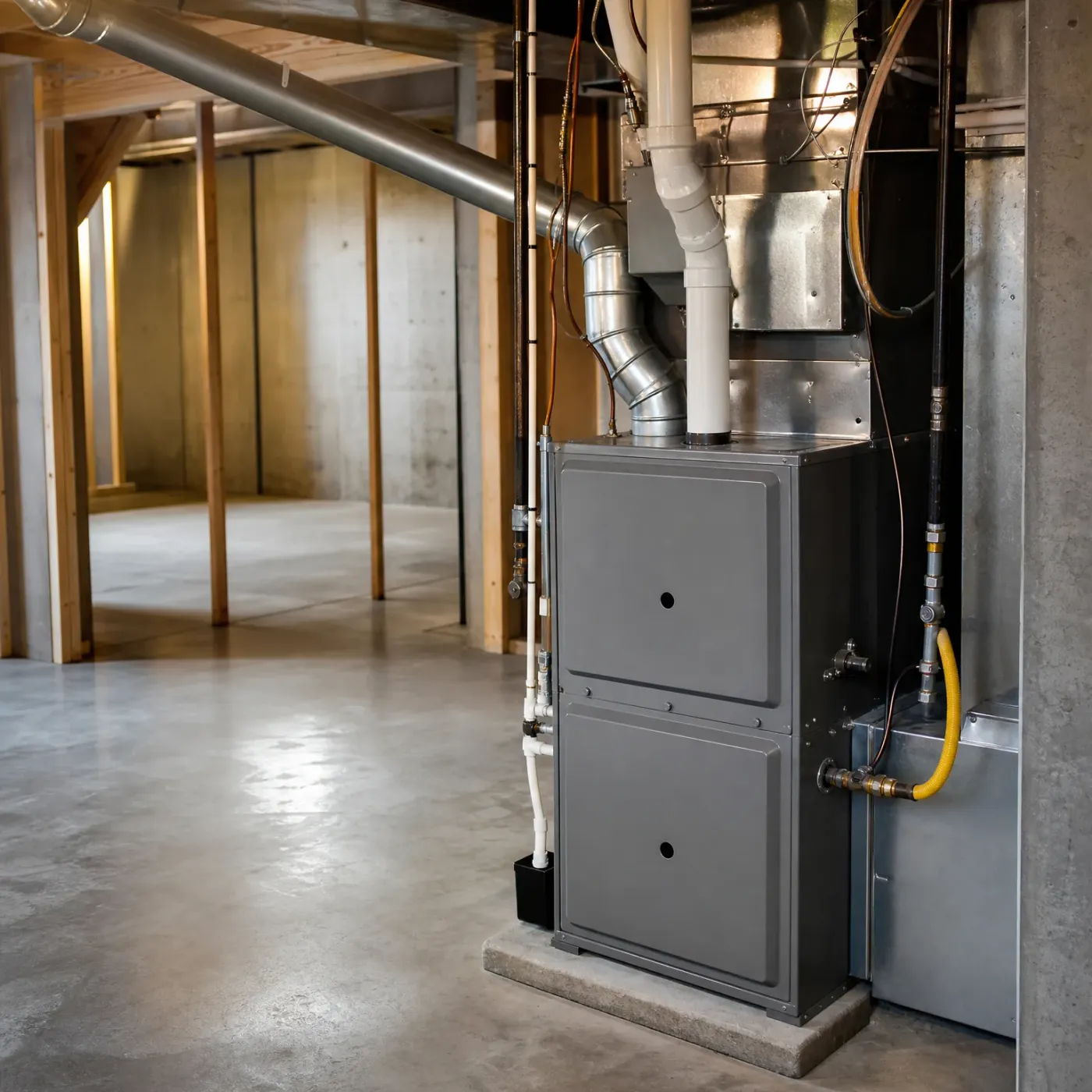
Explain the furnace problem once instead of to every shop in Doña Ana County.
Send the request today and stop worrying about who to call.
Asking costs nothing, and the choice to hire stays yours.

The flue pipes show white, no soot at the draft hood. The blower moves air through the ductwork at a steady hum, and the air coming out of your vents is warm within a few minutes of the thermostat calling for heat.

The blower runs but the air stays cold, or the furnace never starts at all. No hum from the inducer motor, no glow at the igniter. The gas line and flue are still connected, but nothing downstream of the thermostat is doing its job.

A furnace that won't light is almost always one part: the igniter, the flame sensor, or a tripped breaker. You checked the thermostat and the breaker. If it's still cold, it's time for someone to look at the burners and the control board.
That's the part you don't have to do yourself. Instead of searching around Doña Ana County for a contractor who can get out soon, calling a few, explaining the same clicking blower and dark pilot window twice over, and then weighing quotes against each other, you send one form and the search is done. On a 30°F night in Las Cruces, that's time you get back.

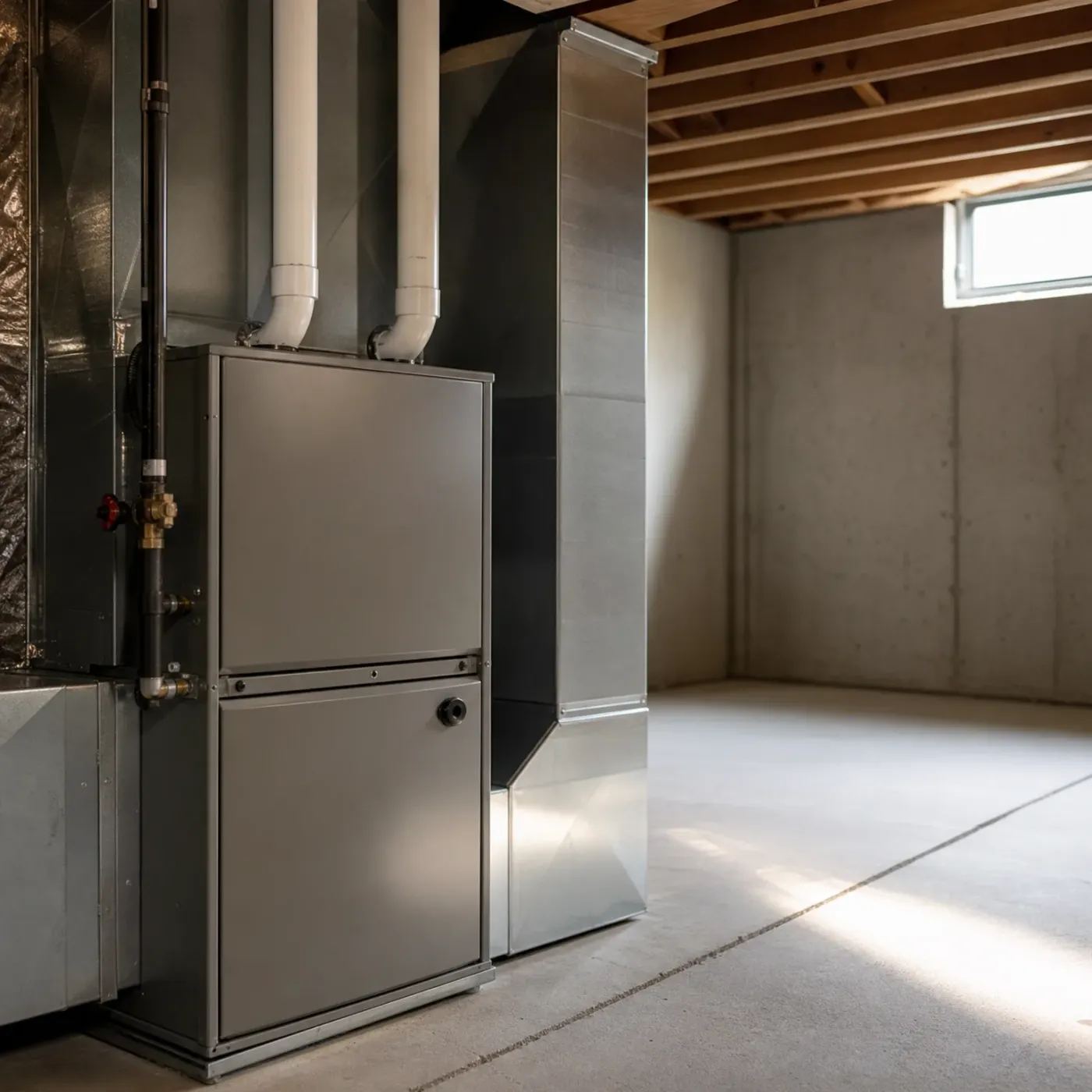
Describe what your furnace is doing once, in one form.
No fee to send it, and nothing to sign.