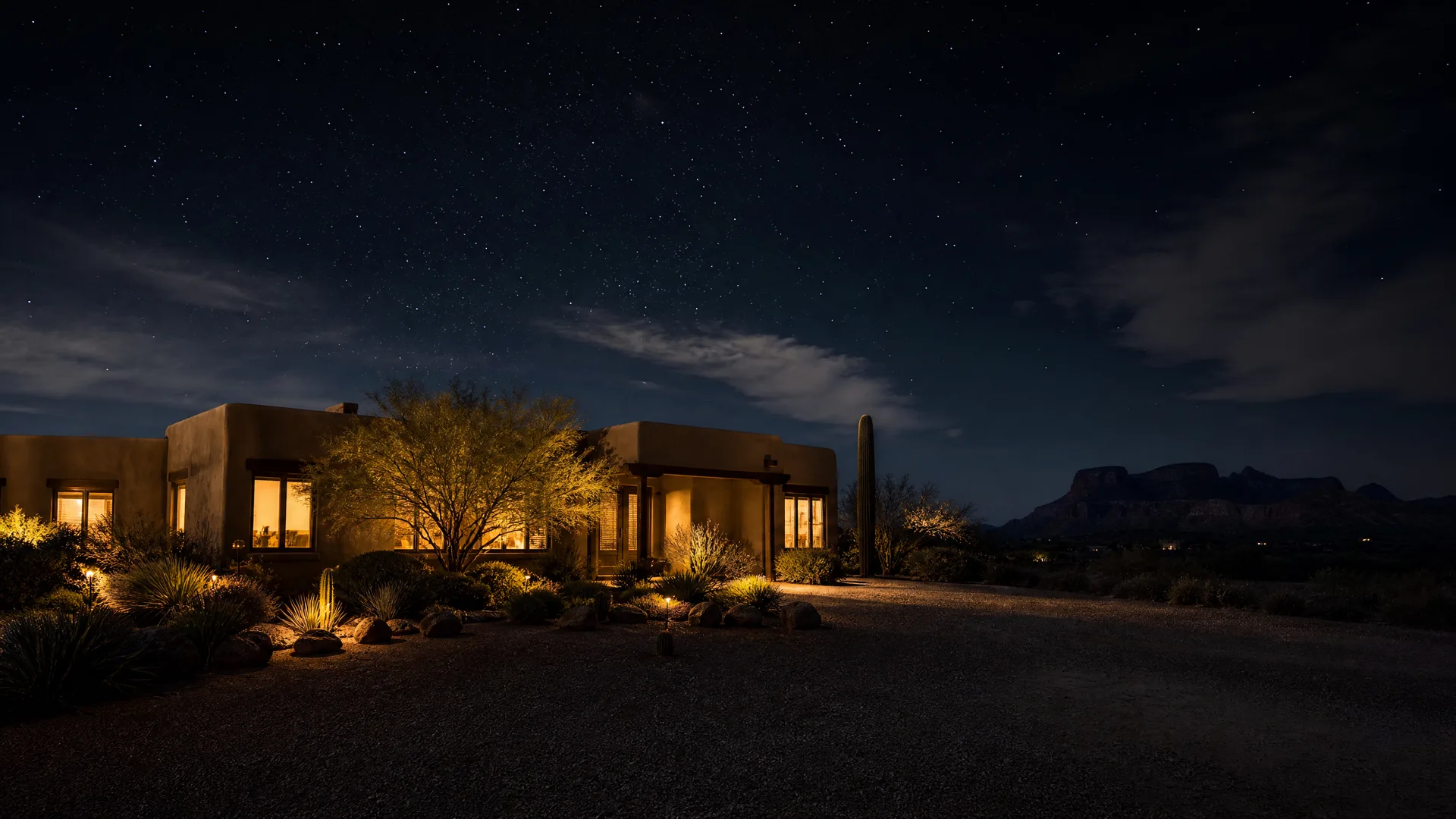
35°F and above
The heat pump covers this alone. It pulls enough heat from the air to keep the house at temperature without help, and the compressor isn't straining to do it.
A heat pump in a Las Cruces winter is doing real work on cold nights, and whether it keeps up depends on the system itself: its size, its age, its condition, maybe backup heat. That's not something a search box can answer for your house. Most homes in Doña Ana County heat with gas, so if yours runs on a heat pump, you already know it's a different setup, and the right answer depends on specifics only someone looking at your equipment can give you. Answer a few questions about your home and you'll be matched with a contractor who installs and services heat pumps in this area and knows what Las Cruces winters ask of them. They'll reach out to you directly. No need to track down options or vet anyone yourself. That part is off your plate once you send the form.
Yes, for most winters here, but it runs harder than people expect once nights drop near or below freezing. A heat pump moves heat from the outside air, and the colder that air gets, the less heat it has to give up. Las Cruces winters aren't brutal, but December and January nights regularly sit below 32, and that's when a heat pump works its hardest and loses capacity right when you need it most. If the system is sized right and in good condition, it will keep a house warm through that. If it's older, undersized, or missing backup heat strips, you'll feel it as a house that never quite gets warm enough, or a unit that runs nonstop without catching up. Most homes around here heat with gas, so a heat pump is the exception, not the rule, and that makes its condition worth a closer look rather than an assumption.
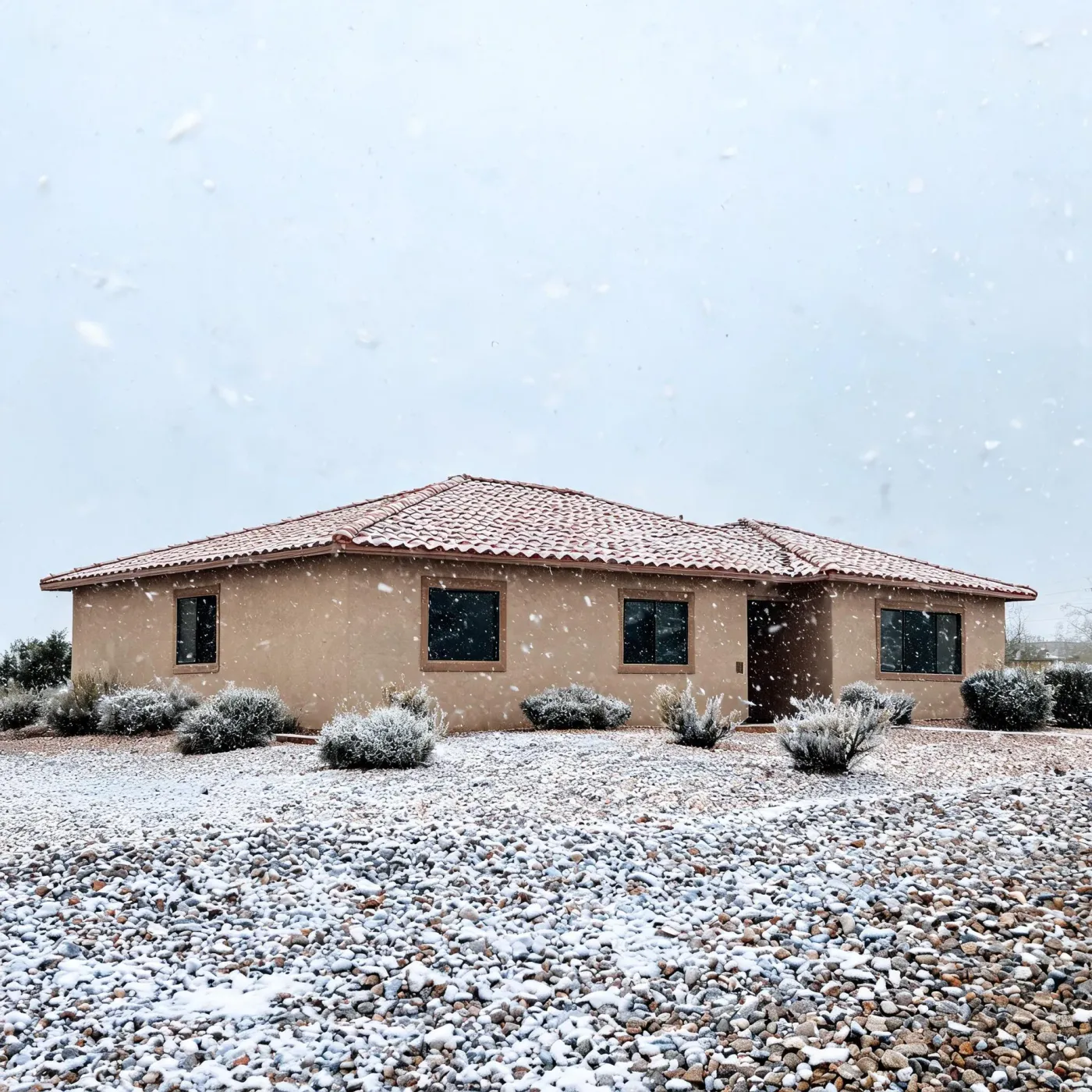
Through December, January and February, nights here average 30°F, according to NOAA climate data for Doña Ana County. That's the range where a heat pump starts losing ground. At 30 degrees, the outdoor unit is still pulling heat from the air, but there's less of it to pull, so the system has to run longer to keep the house at temperature. You'll notice the air coming out of the vents feels cooler than it does in fall, even though the thermostat hasn't changed. If the house has backup heat strips, this is the range where they start kicking in on the coldest nights to make up the difference.
NOAA nClimDiv 1991-2020




The heat pump covers this alone. It pulls enough heat from the air to keep the house at temperature without help, and the compressor isn't straining to do it.
Backup heat has to carry part of the load. Whether your system has it, and whether it's working, decides how the house feels on the coldest nights.
You'll notice it first at night. The air coming out of the vents feels cooler than it used to, almost room temperature instead of warm, and the system runs longer stretches to hold the thermostat setting. Some homes have a backup heat strip that kicks in on the coldest nights, and you might hear a click or notice the indoor unit working harder right around when temperatures drop below freezing. If backup heat isn't engaging when it should, the house drifts colder than the thermostat says, and the compressor outside keeps straining to make up the difference. Left alone over a winter, that strain is what shortens a heat pump's life and shows up as a bigger power bill than the mild nights here would suggest.





Send the form and stop researching installers for the new heat pump.
Get matched with someone who does this kind of work in Doña Ana County.
You're not committing to anything by asking.
Winter nights average 30°F
Winter nights averaging 30°F means the unit is pulling heat from thin, cold air most mornings, not the rare hard freeze.
Heat runs November through April
Six months of heat a year is longer than most people think, and backup heat may be carrying part of that load the whole time.
Cooling runs May through September
Five months of cooling means the same system works nearly the whole year, with barely a few weeks of rest between seasons.
NOAA nClimDiv 1991-2020
A heat pump is enough for a Las Cruces winter, most nights. Down to around 35°F it can carry the house on its own, and plenty of nights here sit right at that line or above it. Below it, backup heat takes over part of the load, and how smoothly that happens comes down to the unit itself. A system with a clean coil and a compressor in good shape makes that handoff without much strain. One that's older, or hasn't been serviced, starts leaning on backup heat sooner and more often than it should, and that shows up as longer run times, cooler air at the vents, and a higher bill come February. None of that means the equipment has failed. It means the margin between what the house needs and what the unit can still deliver has gotten thin, and thin margins are exactly what a cold snap tests. The only way to know where your system stands is to have someone look at its size, its age and its condition against what your house actually asks of it on a 30-degree night. That's a question worth answering before the next one hits, not during it. Send the form and that part of it stops being yours to figure out. A contractor who works on these systems in Doña Ana County gets matched to your situation and reaches out directly, and from there it's one less thing sitting on your list.

One request ends the search for a heat pump installer.