

Furnace pilot light won't stay lit in Las Cruces, NM

A Doña Ana County pro who repairs furnaces gets your request.

Find a furnace pro

A pilot light that won't stay lit usually comes down to one of three things: a weak or dirty thermocouple, a draft hitting the pilot, or a buildup of dirt in the pilot assembly itself. The thermocouple is the small rod that sits in the pilot flame. Its job is to sense heat and tell the gas valve to stay open. Once it ages or gets coated in soot, it cools faster than it should and shuts the gas off, so the flame dies even though nothing looks wrong. A draft from a vent or a loose panel can snuff out a weak flame the same way. Less often, the gas valve itself is failing. None of this is something to leave alone. Doña Ana County winters get cold enough that most homes run gas heat through the night, and a furnace that won't hold a pilot is a furnace you can't count on when the temperature drops.

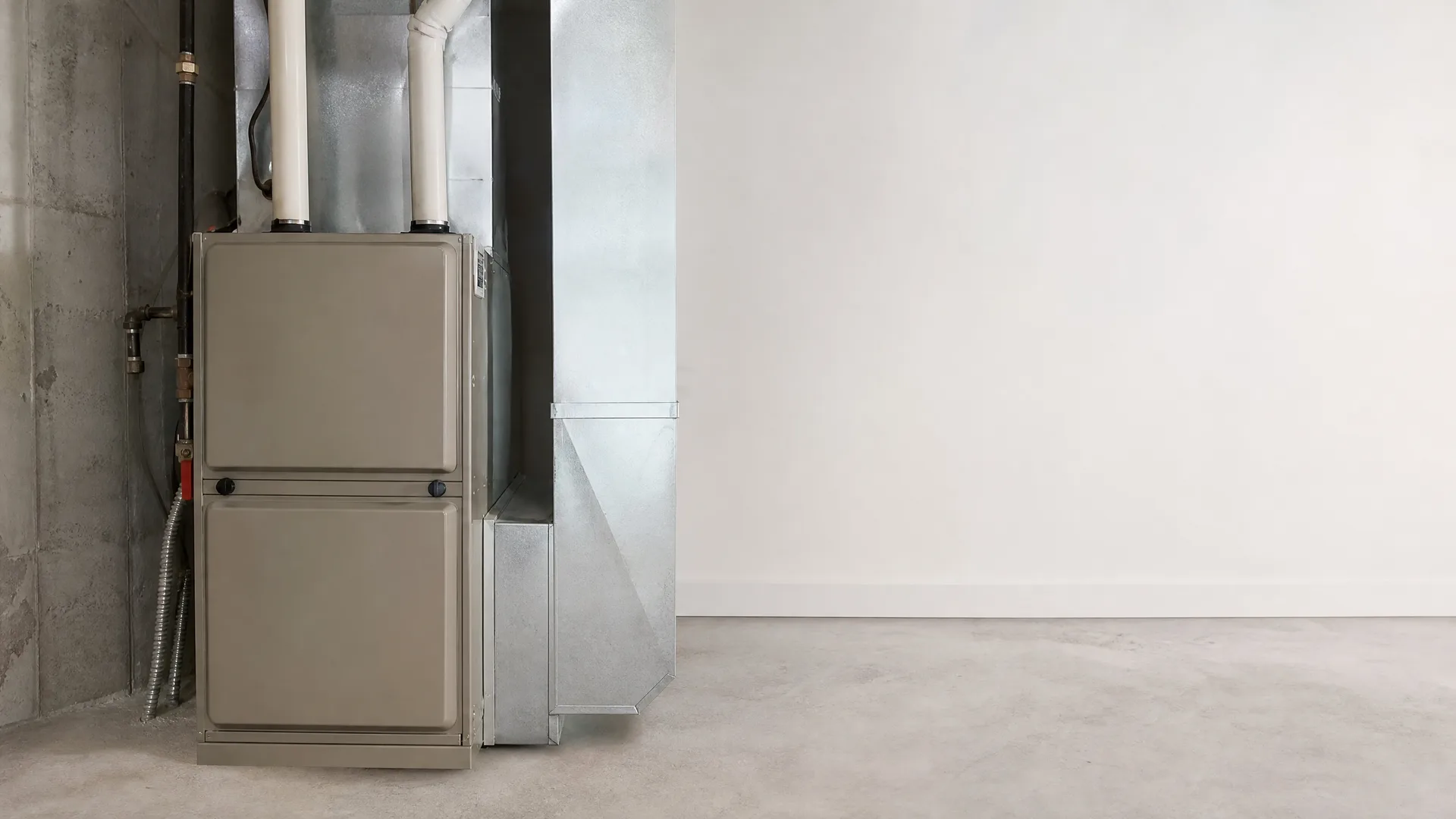
A gray high-efficiency furnace stands on a concrete basement floor beside galvanized sheet-metal ductwork, white PVC vent pipes, copper and black piping, and unfinished wood stud framing.

Pilot lit and holding

The flame burns steady and blue, wrapped around the thermocouple tip. You can let go of the gas valve knob and it stays lit. Air moves through the ductwork above on demand, and the furnace cycles on and off through the night without you touching it.


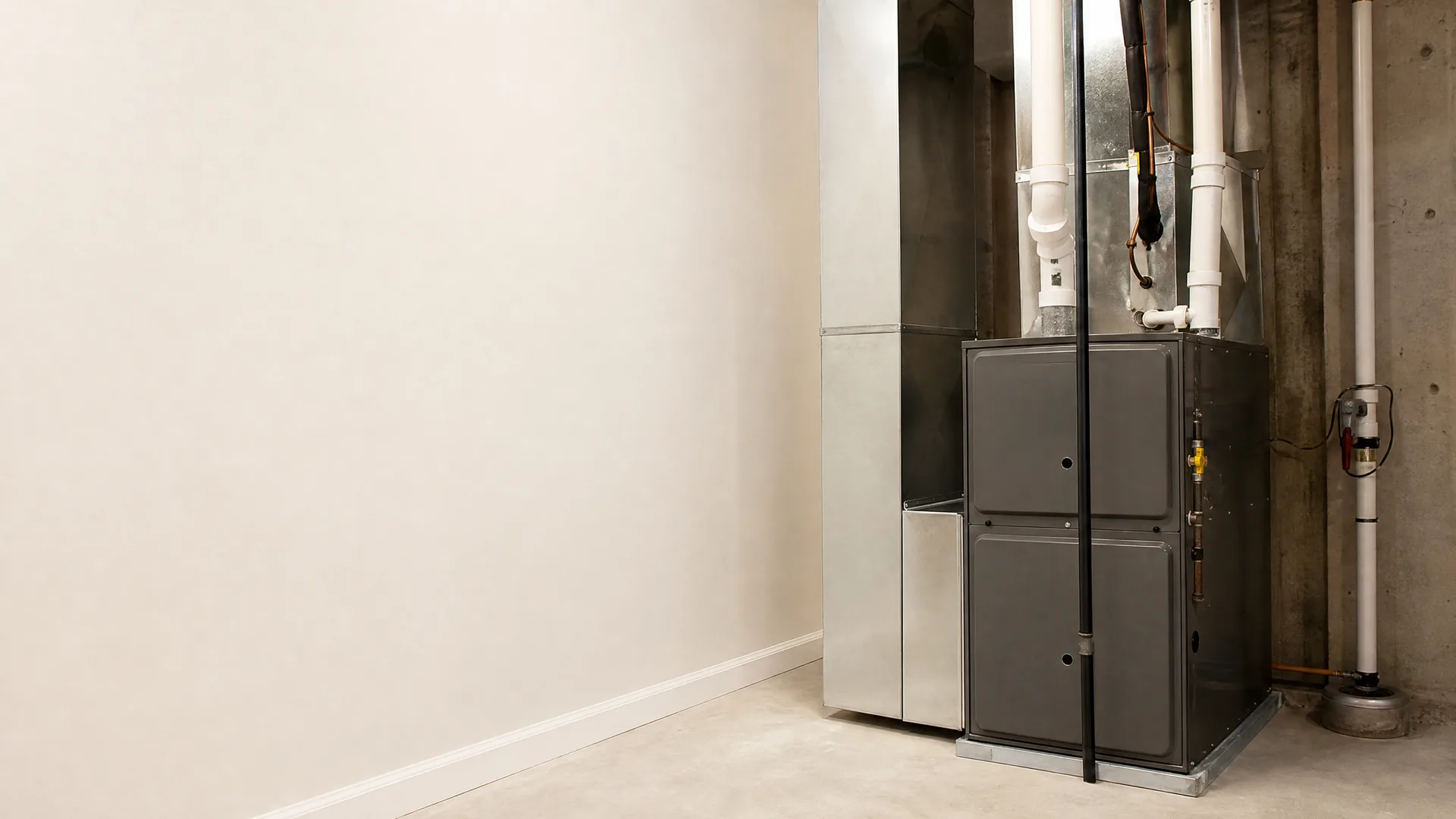
A gray furnace with two access panels stands on a concrete basement floor beside sheet-metal ductwork, with pipes, flexible conduit and an electrical box on the concrete wall to the left.

Pilot won't hold

You hold the knob in, release it, and the flame dies within seconds. Behind the access panel, the gas pipe and conduit are the same as always, but no pilot means no burners, and no burners means cold air moving through the ducts instead of warm.

Why does your pilot keep going out at night?

You hold the gas valve knob in, let go, and within a minute or two the flame dies again. Or it holds for an hour, then quits sometime after midnight when the house is coldest and the burner is calling most often. You might notice a faint gas smell near the furnace right before it relights, or a clicking from the igniter that doesn't catch. If this keeps happening through a Las Cruces winter, the furnace will stop firing when you need it most, and you're left resetting a pilot by hand in a cold house instead of the furnace just running.

A gray high-efficiency furnace with white PVC vent pipes stands beside sheet-metal ductwork and a water heater in an unfinished basement with concrete walls and wood framing.

Flame holding steady

The pilot burns a clean blue, curled around the thermocouple tip. The burner fires when the thermostat calls, the flue draws the exhaust out through the PVC pipe, and warm air moves through the ductwork on schedule. Nothing to hold, nothing to relight.

A beige gas furnace with a metal flue pipe stands in a basement against concrete block walls, beside sheet-metal ductwork, copper and white plastic pipes, and a water heater at right.

Flame dying on its own

The pilot flickers or leans to one side before it goes out, sometimes within minutes of relighting it. On an older furnace like this one, the thermocouple has had years to collect soot, and a return-air plenum nearby can pull enough draft to snuff a weak flame.

Thermocouple, or Draft and Dirt

Thermocouple

  • A thermocouple wears out from months of heat cycling and stops sending the signal that keeps the gas valve open.
  • Replacing it is a standard repair on most furnaces and doesn't require touching the gas line or the burner itself.
  • Once the new rod is seated in the pilot flame, the valve holds open on its own and the pilot stops dying.
  • If the flame looks weak or yellow instead of blue, the thermocouple may not be the real problem, something upstream of it is.

Draft or dirt

  • A draft from a vent, a door, or the flue itself can blow the pilot out even when the thermocouple is fine.
  • Dirt and dust settling in the pilot assembly over the summer can choke the flame down until it's too weak to hold the thermocouple's heat.
  • Cleaning the assembly or sealing off a draft source can fix the problem without replacing any parts.
  • If the pilot goes out only on windy nights or only after the furnace has sat unused for months, this is the more likely cause.
A beige high-efficiency furnace with two white PVC pipes stands beside sheet-metal ductwork and a concrete wall in an empty basement with a bare light-colored wall and concrete floor.

What the thermocouple actually does

The thermocouple is a sensor, not a switch you flip. It generates a small electrical current from the heat of the pilot flame, and that current holds the gas valve open. No heat, no current, no open valve. When a thermocouple weakens, the flame might look fine to your eye while the signal it sends is already too faint to keep the valve from closing a minute later.

A gray furnace with sheet-metal ductwork and white PVC vent pipes stands in the corner of a finished basement room with a blank beige wall and concrete floor.

Why wind and drafts matter

A pilot assembly sits in an open area of the furnace, and even a small draft from a cracked door, a return vent, or a gap around the flue can bend the flame off the thermocouple tip. In Las Cruces, where wind picks up through the colder months, a draft that only shows up on certain nights can explain a pilot that holds fine one week and quits the next.

Winter nights average 30°F

Nights here average 30°F through December, January and February, so your furnace is holding a pilot flame on the coldest nights of the year, not just mild ones. A weak thermocouple that might limp along in October won't hold at 30°F, and that's usually when it finally quits.

NOAA nClimDiv 1991-2020

  1. Gas flows to the pilot and the igniter sparks it alight

  2. The flame wraps around the thermocouple tip and heats it

  3. Heat makes the thermocouple generate a small electrical current

  4. That current signals the gas valve to stay open

A beige high-efficiency furnace in an unfinished basement, with white PVC vent pipes, a yellow gas line, metal ductwork, and exposed wood framing on a concrete floor.
A furnace like this holds its pilot through a cold Las Cruces night without you touching the valve knob.
An older beige furnace with two louvered vent panels stands on a concrete basement floor, connected to galvanized ductwork and a metal flue pipe, with gas piping and flexible conduit on the wall behind.
Here the pilot won't hold, and that louvered cabinet and iron gas pipe point to an older unit worth a look.
A woman in a cream cowl-neck sweater stands in a lamp-lit room looking out a window at a snow-covered yard with shrubs and bare trees at dusk.
A woman in a gray turtleneck sweater stands near a large window in a lamp-lit living room, looking out at falling snow and snow-covered conifers.
A woman in a chunky knit sweater stands by a large window looking out at snow-covered ground, with a dimly lit living room containing a gray sofa, framed artwork, shelves and table lamps behind her.
A woman in a gray turtleneck sweater stands in a dimly lit living room with a lamp and bookshelves, looking out a multi-pane window at falling snow.

Find a furnace repair pro in Doña Ana County

A pilot that won't hold through a cold night in Las Cruces isn't something to keep testing yourself, match after match, on the chance it catches this time. A thermocouple doesn't get better with another relight, and a draft in the cabinet or dirt in the pilot assembly isn't something you can see by looking. What usually ends it is someone who works on these furnaces taking the assembly apart, checking the flame where it wraps the tip, and replacing the part that's actually failing instead of guessing at it in the dark. Finding that person yourself means calling around Doña Ana County, describing the same problem to each one, and weighing quotes you have no way to judge. Handing it off means you explain it once, to someone who already knows what a thermocouple reading weak at 30 degrees looks like, and go back to a furnace that holds its pilot the way it's supposed to.

Try the relight yourself first

Most furnaces have the lighting steps printed on a label inside the access panel, under the burner compartment. Turn the gas valve to off, wait several minutes for any gas to clear, then turn it to pilot, hold it in, and light the pilot with a long lighter or match while still holding the knob. Keep holding for about a minute before you let go. If the flame holds once you let go, the thermocouple is still generating enough current to keep the valve open, at least for now. If it dies the moment you release the knob, or within a few seconds, that's the thermocouple telling you it's worn out.

When it's past a relight

If the pilot won't catch at all, or catches and dies every time no matter how long you hold the knob, relighting it again isn't going to change the outcome. The same goes for a pilot that lights fine during the day but goes out once the wind picks up or the temperature drops hard overnight. That's a job for someone who can test the thermocouple's output, check for a draft in the cabinet, and clean the pilot assembly if dirt is choking the flame. Matching with a contractor means you skip calling around Doña Ana County and explaining the same problem to three different shops before anyone shows up.

Why does your pilot have to hold through such cold nights?

  • Winter nights average 30°F

    Winter nights here average 30°F, so the pilot has to hold through real cold, not just a chilly evening, every night from December through February.

  • Heat runs November through April

    Heat runs November through April in Doña Ana County, six months of relighting the same pilot if the thermocouple or the draft is the problem.

  • 60.7% of homes heat with gas

    60.7% of homes in Doña Ana County heat with gas, so a pilot that won't stay lit is a problem most of your neighbors deal with too.

NOAA nClimDiv 1991-2020 · ACS 2020-2024

Where this leaves your furnace

  • A pilot that won't hold almost always traces back to a weak thermocouple, a draft, or dirt in the pilot assembly.
  • The thermocouple generates its own current from the pilot flame, and that current is what keeps the gas valve open.
  • Winter nights in Doña Ana County average 30°F, so the pilot has to hold through real cold, not a mild evening.
  • A thermocouple that limps along in October usually fails once those colder nights set in from December through February.
  • Relighting the pilot by hand doesn't fix a worn thermocouple, a draft in the cabinet, or dirt in the assembly.
  • Heat runs November through April here, so a pilot that won't stay lit leaves the furnace unable to cycle on demand.

A pilot that won't hold almost always comes from one of three places. The thermocouple wears out and stops generating enough current to hold the gas valve open. A draft reaches into the cabinet and pushes the flame off the thermocouple tip. Or dirt has built up in the pilot assembly and the flame burns too small or too crooked to do its job. Relighting by hand doesn't touch any of these. You can hold the knob in, get the flame lit, let go, and have it die again an hour later, because the part that failed is still failed. That matters more here than it would somewhere mild, because winter nights in Doña Ana County average 30°F, and heat runs from November through April. A weak thermocouple that barely got by on a cool October evening usually gives out once the real cold sets in across December, January and February, right when the furnace needs to hold that pilot the most and cycle on demand through the coldest part of the night. Figuring out which of the three it is, and whether it's the thermocouple itself, a draft finding its way into the cabinet, or dirt that's choking the pilot, takes a look at the pilot assembly in person. Until that's sorted, the furnace can't be counted on to fire when the thermostat calls for it.

A bearded man in a plaid flannel shirt sits indoors looking out a window at snow-covered trees, with a steaming mug on the sill and wooden kitchen shelves behind him.
A bearded man in a navy T-shirt sits on a light-colored couch indoors, smiling while looking down at a laptop screen in the foreground, with a framed picture and a potted plant blurred behind him.

Furnace Repair

The right pro for this job

Explain the furnace problem once instead of to every shop in Doña Ana County.

A black smartphone standing upright against a plain light gray background, its screen filled with solid green.
RepairFurnace or heatingDoña Ana County, NM
Step 1 of 2

What ZIP code is the job in?