


Can a heat pump keep up on a 23 degree night
Your heat runs seven months a year here, October through April, and the average overnight low across December, January and February is 23°F. That matters because a standard heat pump starts losing ground before it even gets that cold. Below 40°F it puts out less heat than its rating says. Below about 35°F it usually needs backup heat to make up the difference. Here, the average winter night is below both marks, and so is every one of the roughly 145 nights a year that drop to freezing or colder.
That doesn't mean a heat pump leaves you cold. A model built to the ENERGY STAR Cold Climate standard still makes 1.75 units of heat for every unit of electricity it uses at 5°F, and holds onto most of its capacity down there. A two-winter study of these cold-climate models in real homes found backup heat carried only a small share of the load between 0°F and 35°F, and the units almost never ran on backup alone unless it dropped below 0°F. That's close to a non-issue here, since Valencia County only sees about one night a year that cold.
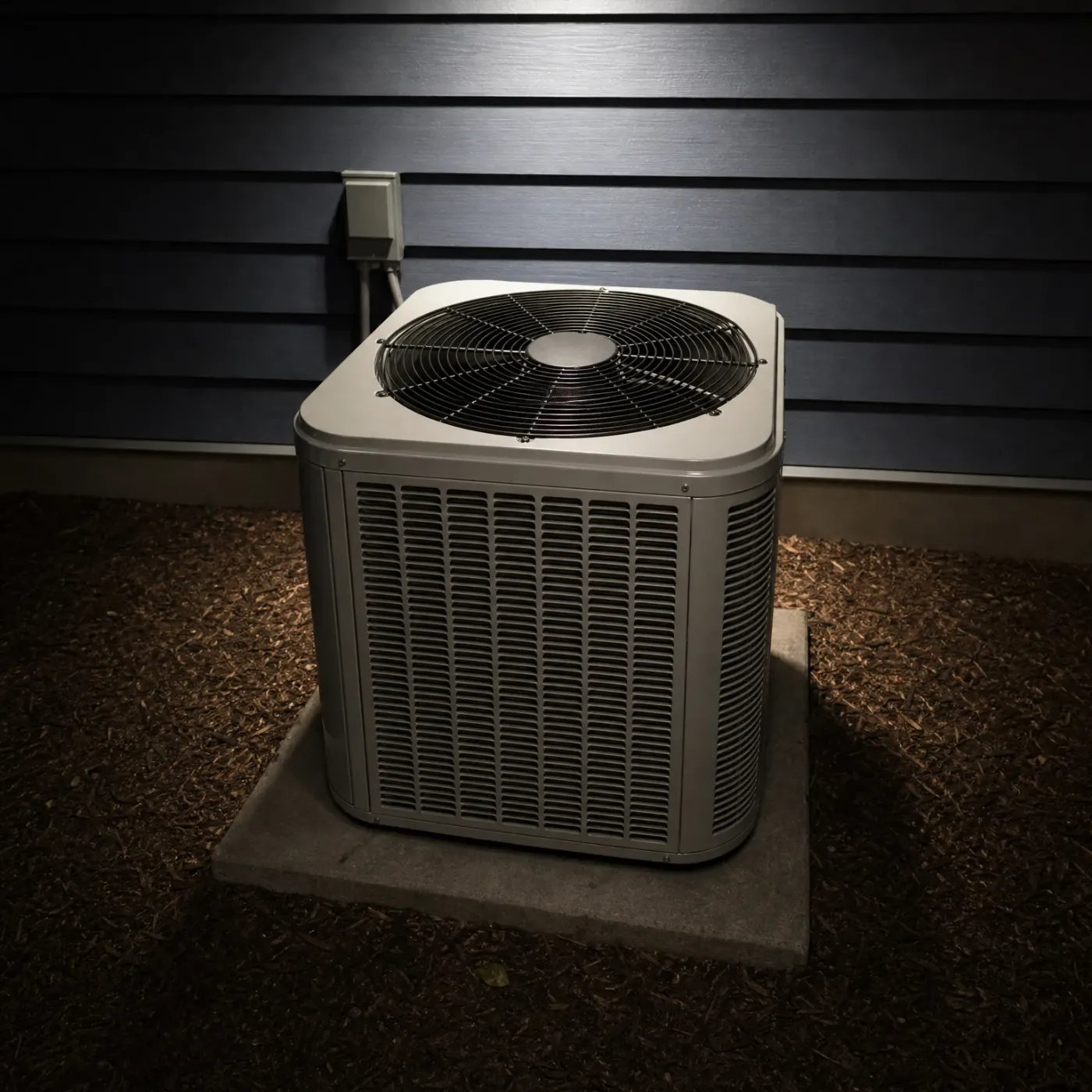
So the honest answer depends on which heat pump you're pricing. A standard one will lean on backup heat through much of the winter here, because most winter nights fall below its comfort range. A cold-climate one is built for exactly these temperatures and shouldn't need much help at all.