
Heat pump vs furnace in Hidalgo County, New Mexico

Get a Local Quote

Heat pump or furnace, one form

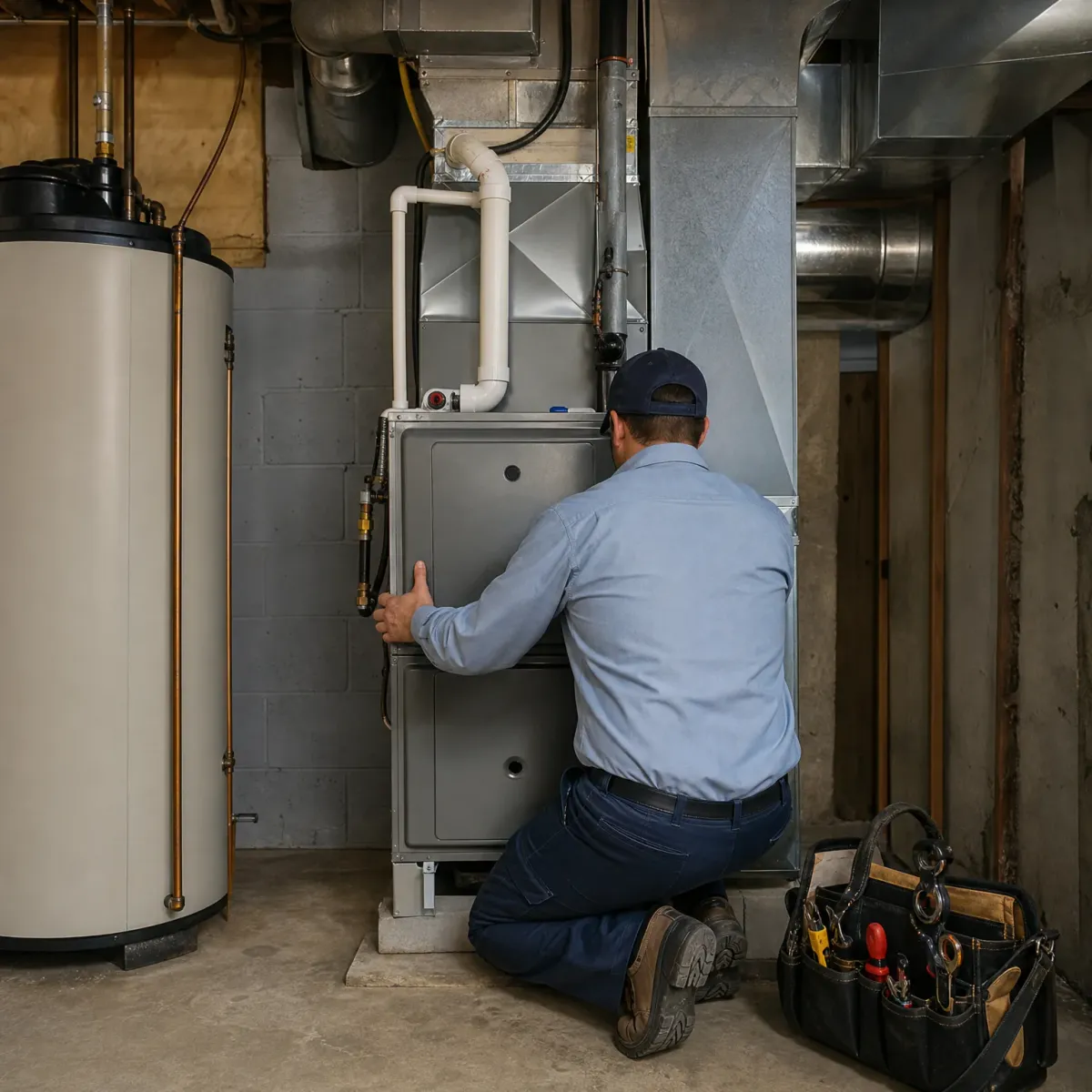
A man in a blue shirt and cap kneels beside a gray furnace in a basement, working on its access panel, with a water heater, ductwork and an open tool bag nearby.

Tell us about the job

Takes about a minute. No obligation.

New system or replacementHidalgo County, NM
Step 1 of 3

What kind of equipment?

Which costs less to run in Hidalgo County?

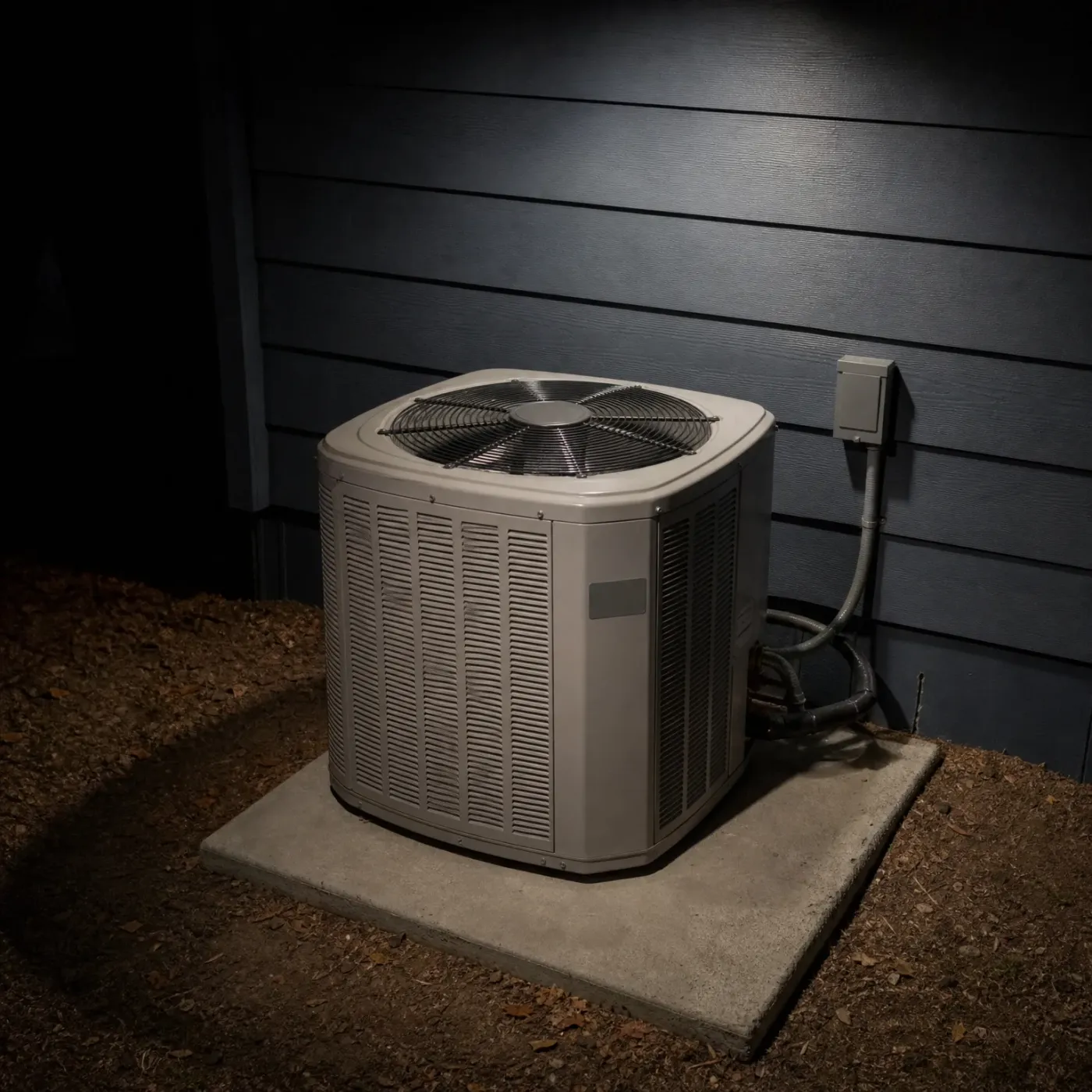
An outdoor condenser unit on a concrete pad beside a dark blue horizontal lap-sided wall at night, with a wall-mounted disconnect box and refrigerant lines entering the wall, surrounded by bare soil and mulch.

Heat pump

To heat your home here$1.89per 100,000 Btu

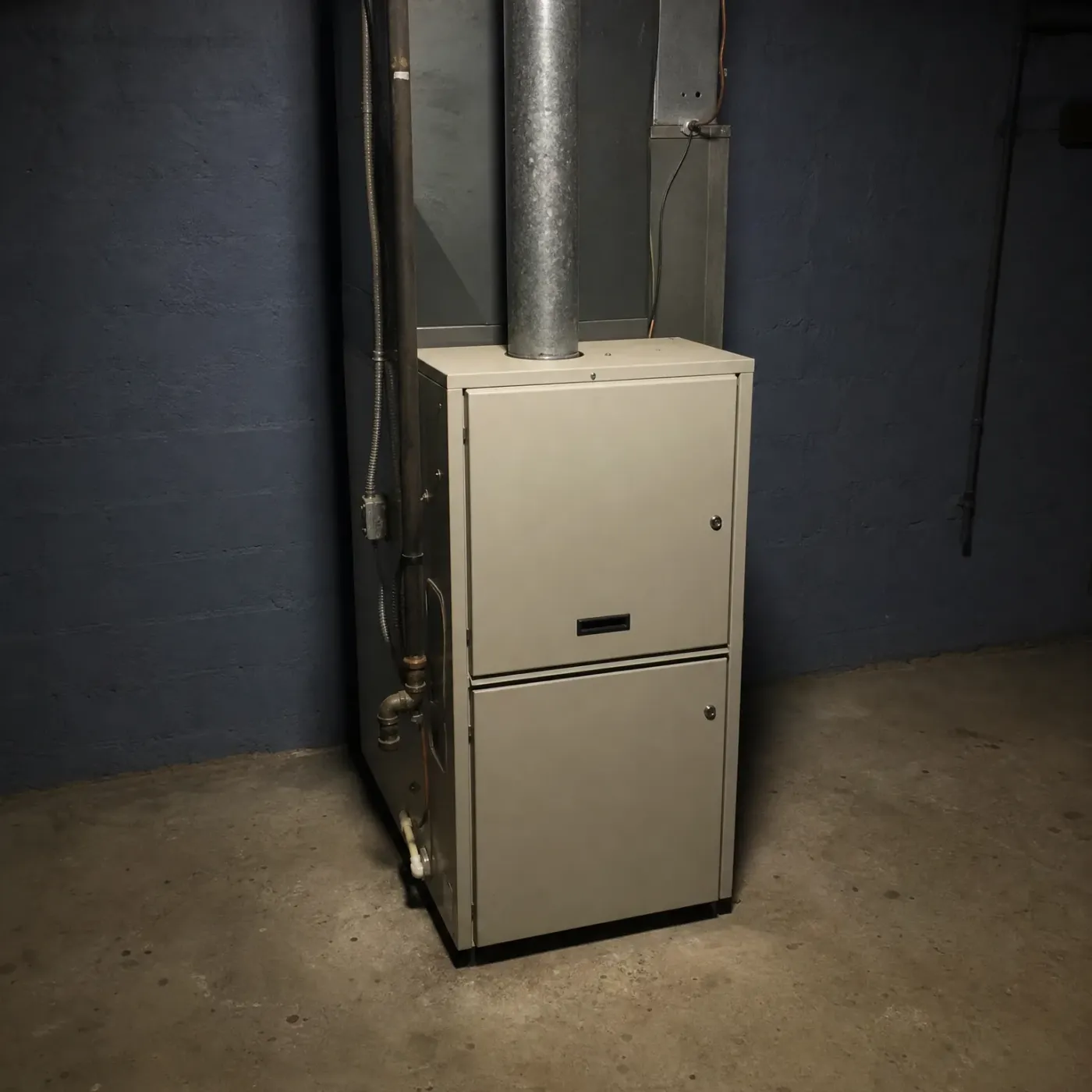
A beige two-panel furnace stands against a dark blue-gray painted block wall in a basement, with a galvanized metal flue pipe and ductwork rising from its top and flexible conduit and pipes along the left side.

Furnace

To heat your home here$1.10per 100,000 Btu

At New Mexico's gas and electricity prices, a gas furnace makes the same heat as a heat pump for at least 41% less.

Btu stands for British thermal unit, the standard measure of heat energy.

Where does a heat pump shine?

  • Covers a long cooling season

    Cooling runs May through September here, five months of the year. A heat pump earns its keep through that whole stretch, then switches over to handle your heat once the weather turns.

    A screened porch with blue-cushioned metal furniture, wicker dining chairs, a ceiling fan, and a glass of iced tea on a woven coaster atop a dark table, with green trees visible outside.
  • Steady, even comfort

    It eases up and down with the weather. There are fewer swings between too warm and too cool.

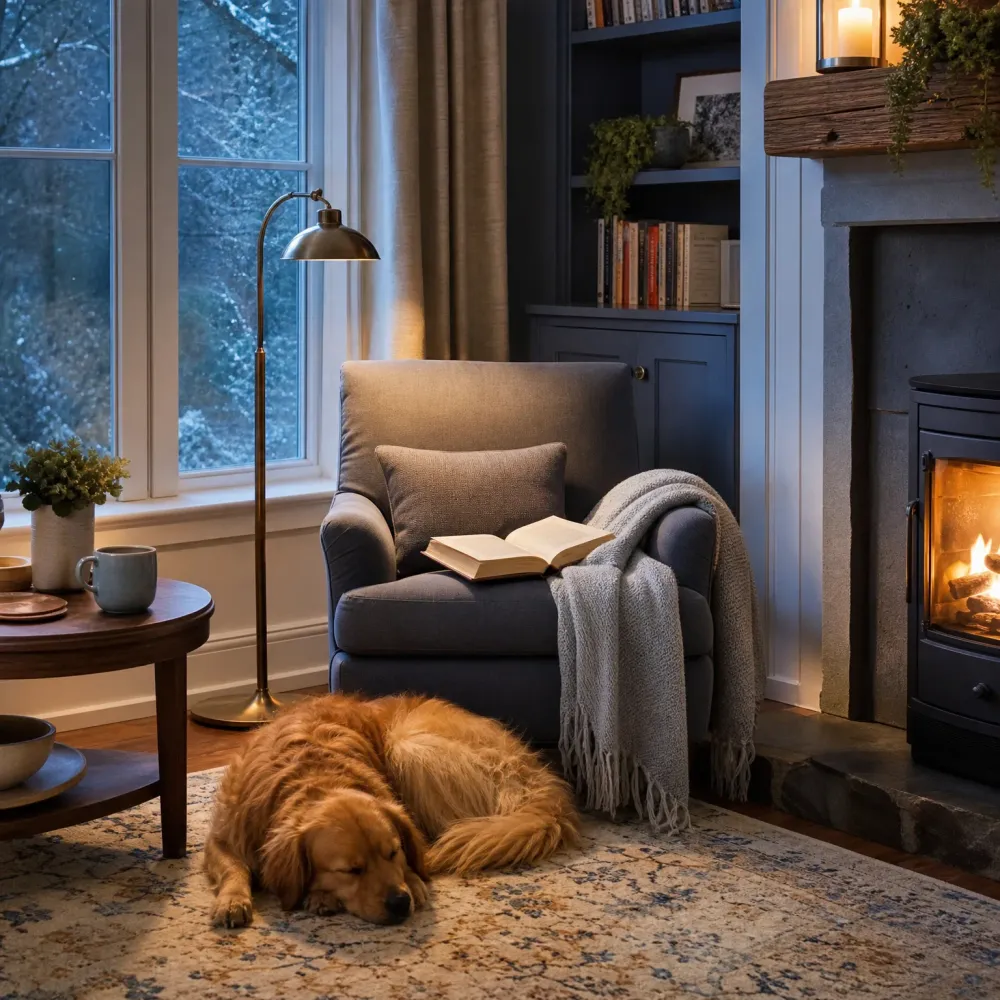
    A golden-haired dog sleeping on a patterned rug in front of a gray armchair with an open book and knit throw, beside a lit wood stove and a window showing snow outside.
  • Heats and cools in one system

    Winter and summer are covered by the same outdoor unit. That's one machine to service instead of two.

    A living room with a cream sofa holding grey and navy cushions and a grey fringed throw, a rustic wooden coffee table with a mug and wooden bowl, a dark grey panelled door, built-in shelves with books, a large window looking onto a green garden, and a table lamp beside a wooden chair.

Where does a furnace shine?

  • Fast, strong heat on demand

    The air coming from the vents feels genuinely hot. That's welcome on a freezing morning.

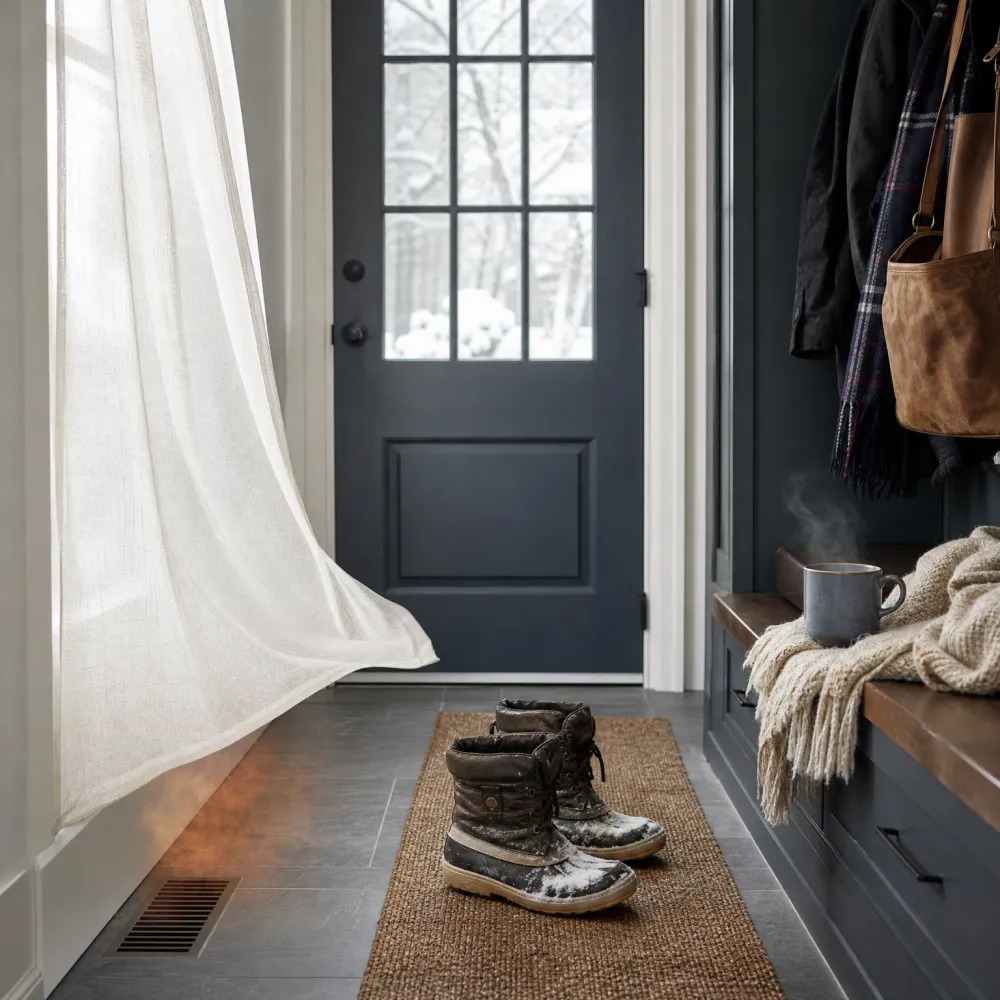
    Entryway with a dark paneled door with glass panes showing snow outside, snow-dusted boots on a woven jute runner, a floor air vent at left beneath a sheer white curtain, and a wooden bench with a knit throw and steaming mug beside hanging coats and a tan bag.
  • Pairs with any central AC

    Most central air systems are built around a furnace. The two share the blower, the ducts and the thermostat.

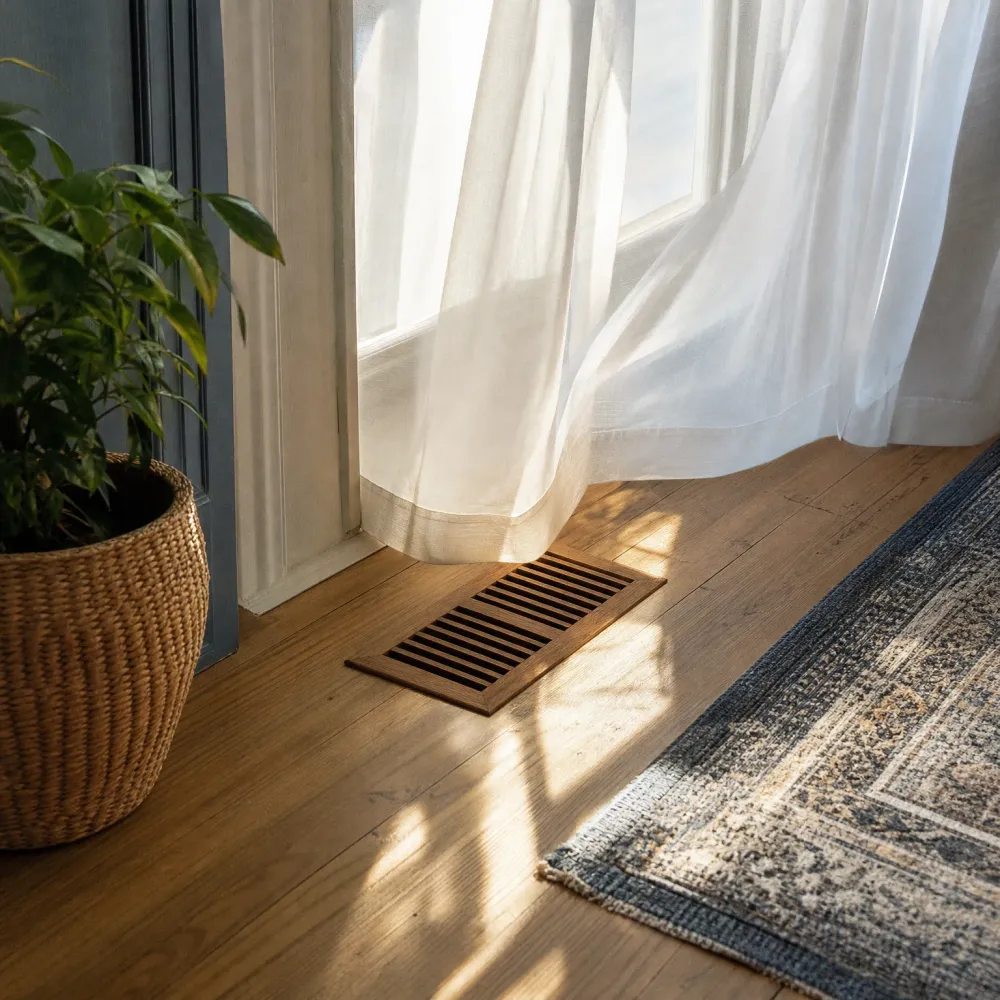
    A wooden floor vent register set in a hardwood floor near a window with sheer white curtains, with a woven basket planter on the left and a patterned rug on the right.
  • Proven, simple, easy to get serviced

    The design is simple and well understood. That keeps service calls short.

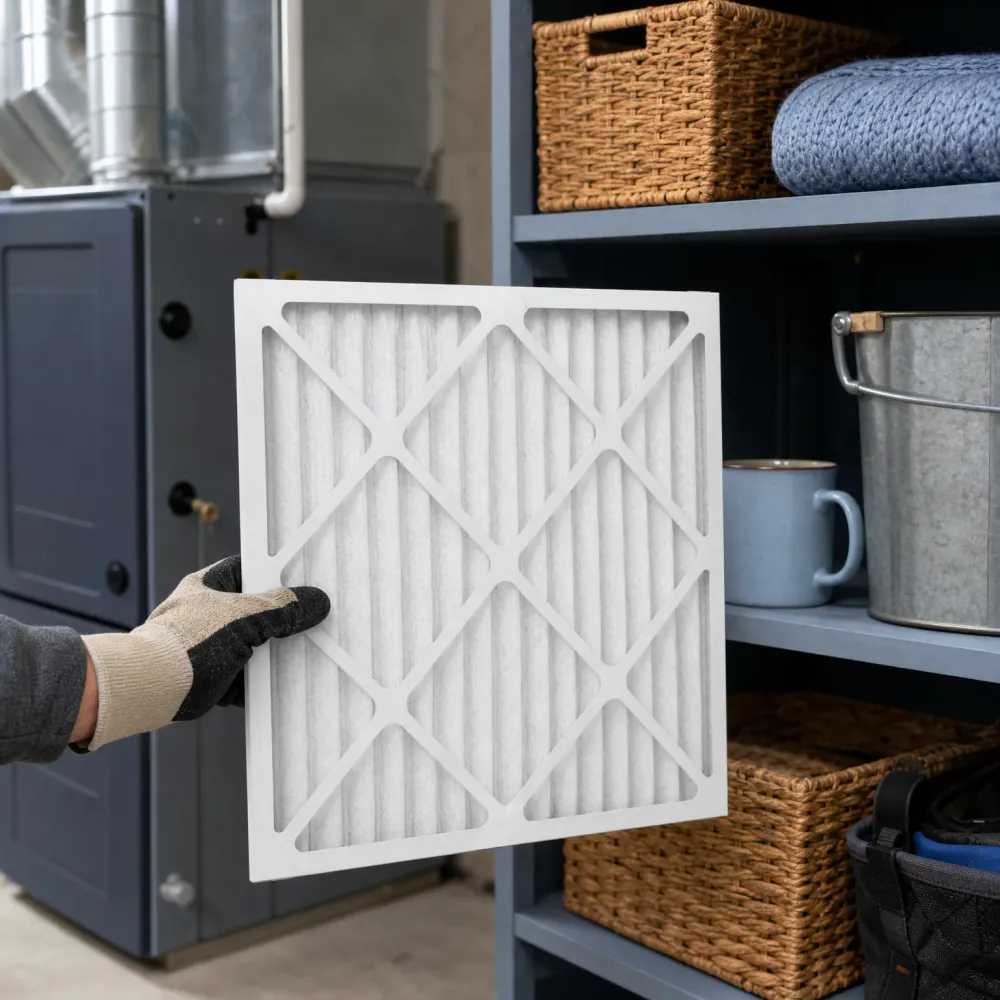
    A gloved hand holds a white pleated air filter in front of a furnace, next to shelves holding wicker baskets, a metal bucket, and a mug.

What winter here does to a heat pump

Your winter low here averages 29°F, and about 110 nights a year drop to freezing or below. That matters because a standard heat pump starts losing ground before it gets that cold. Below 40°F it puts out less heat than its rating says. Below about 35°F it often needs backup heat to make up the difference. Your average night is past both marks, and every single one of those 110 freezing nights is too.

This does not mean the heat pump quits. Cold climate models exist, and the good ones are tested to hold at least 70 percent of their rated output at 5°F, with backup heat covering only a small share of the load even on the coldest nights. But that is a specific product built for this, not the federal minimum unit the running cost on this page is based on. If you are pricing a heat pump for this county, the version that actually performs through your winter is worth asking about by name.

None of this touches summer. Your cooling season runs five months, May through September, with afternoons hitting 90°F or better on about 110 days a year, and a heat pump handles that side without the cold-weather questions.
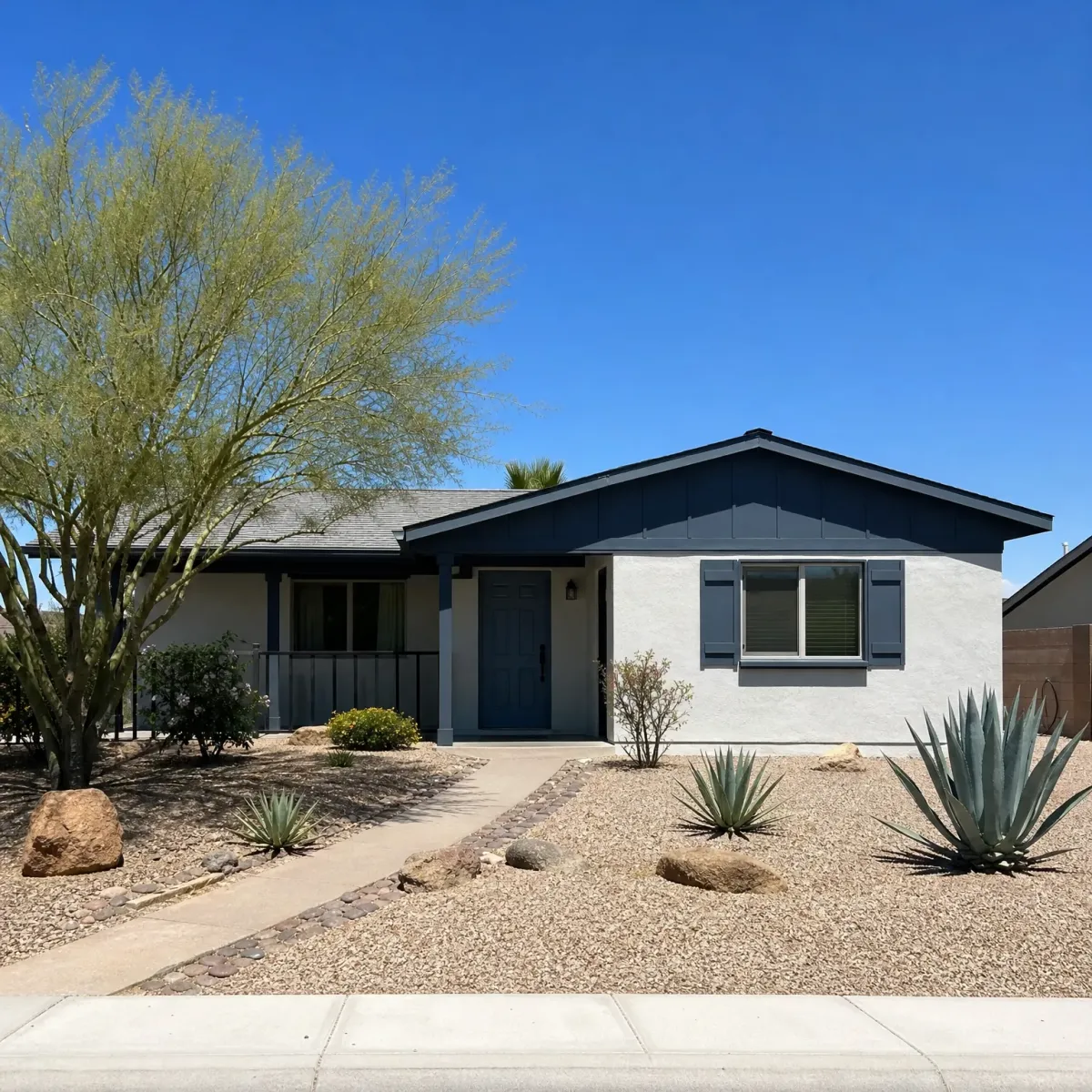
Single-story house with light stucco walls, blue-gray board-and-batten gable, blue front door and window shutters, fronted by a gravel yard with agaves, shrubs, a large tree and a concrete walkway under a clear blue sky.

What it costs to run, and what that means for your choice

At New Mexico's average fuel prices, a gas furnace makes the same heat for at least 41 percent less: $1.10 against $1.89 per 100,000 Btu. Your heat runs six months a year here, longer than your cooling season, so that gap applies to the bulk of your utility bills, not a short stretch of mild weather.

That cost gap is also why nearly as many homes here heat with gas as with electricity, 38.6 percent against 44.6 percent, with propane covering another one in ten. Gas is doing real work in this county's homes already, and the furnace is what burns it.

If what you want is the lowest cost to heat this house, a furnace is the plainer answer. A heat pump still makes sense if you want one system for both heating and cooling, or if a mild stretch of your winter does not push it past where it struggles, but that is a trade you are making on purpose, not something the running costs will talk you into.

Sources: NOAA nClimDiv · NOAA 1991–2020 seasonal normals · PNNL Building America guide · PNNL-37127 field study · ENERGY STAR product criteria · EIA SEDS 2024 · 10 CFR 430.32 · Census ACS 2020–2024

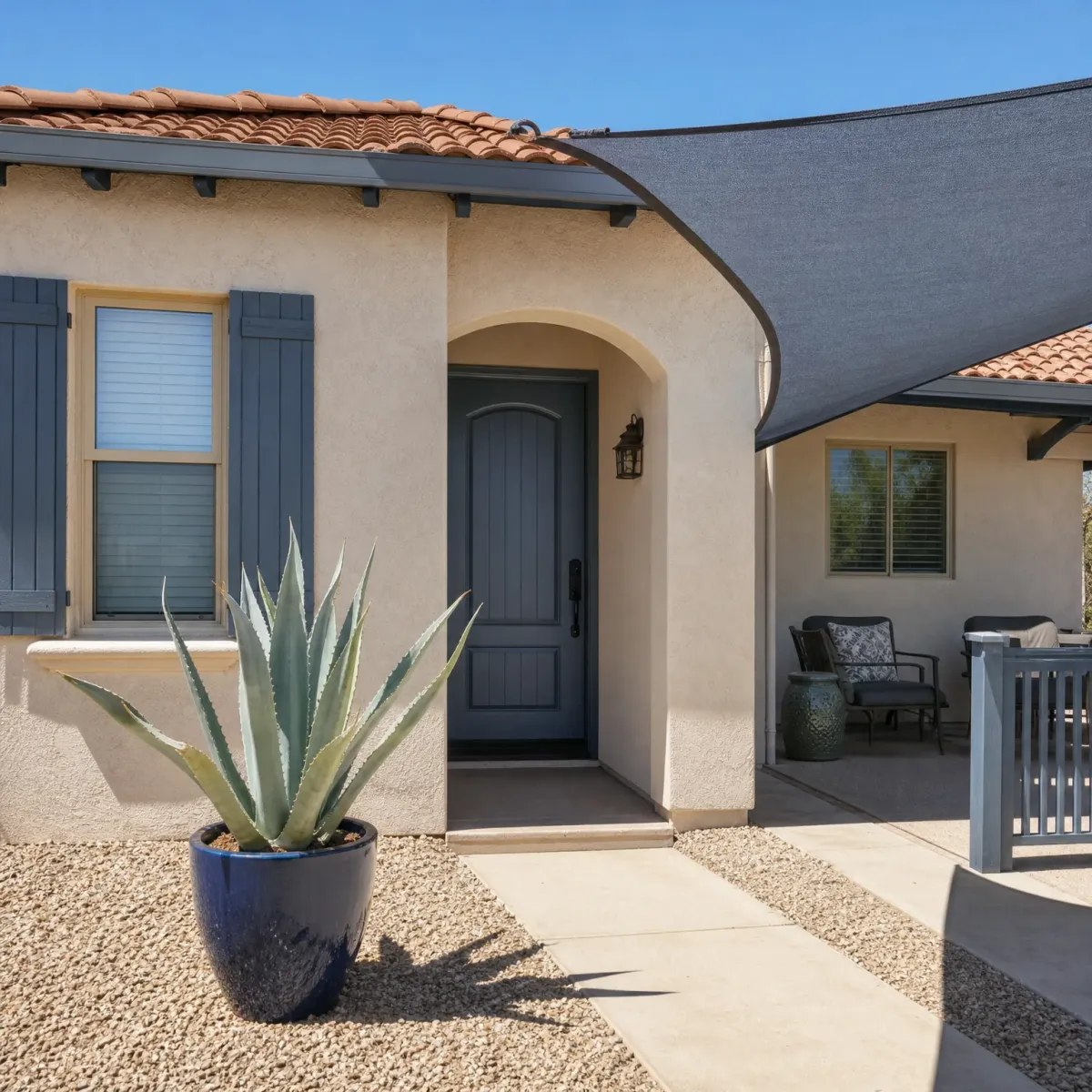
Entrance of a stucco house with tile roof, gray front door and shutters, a dark shade sail over an adjacent patio, and a potted agave in a blue pot on gravel beside a concrete walkway.

Common questions about heat pumps and furnaces

  • Will a heat pump keep my house cool enough here?

    Yes. The afternoon high here hits 90°F or above on about 110 days a year, and that's well within what a heat pump cools in any home. It handles summer the same way a central air conditioner does, because the two run on the same cycle in cooling mode.

  • Can I keep my furnace and add a heat pump?

    Yes, and that pairing has a name: dual fuel. The heat pump handles the cooling season and carries the heating load in milder weather, and the furnace takes over once it gets cold enough that the heat pump's output falls off. Here that means the furnace would be doing real work on a lot of winter nights, since the overnight low falls to 32°F or below on about 110 of them.

  • What if my house doesn't have a gas line?

    Without a gas line, the choice is a heat pump, electric resistance heat, or a furnace burning propane or oil. Propane ran New Mexico homes $27.30 per million Btu in 2024 against $8.83 for natural gas, so a propane furnace costs far more to run than the gas furnace figure on this page. A heat pump avoids needing any fuel delivered, which is worth something if propane isn't easy to get to your house.

  • Is a heat pump cheaper to run than a furnace in Hidalgo County?

    No, not here. A gas furnace makes the same heat for $1.10 per 100,000 Btu against $1.89 for a heat pump, both machines built to the federal minimum. That gap holds on an average night, and it doesn't include what a heat pump spends on backup heat once it's below about 35°F, which is most winter nights here.