


What winter nights here do to a heat pump
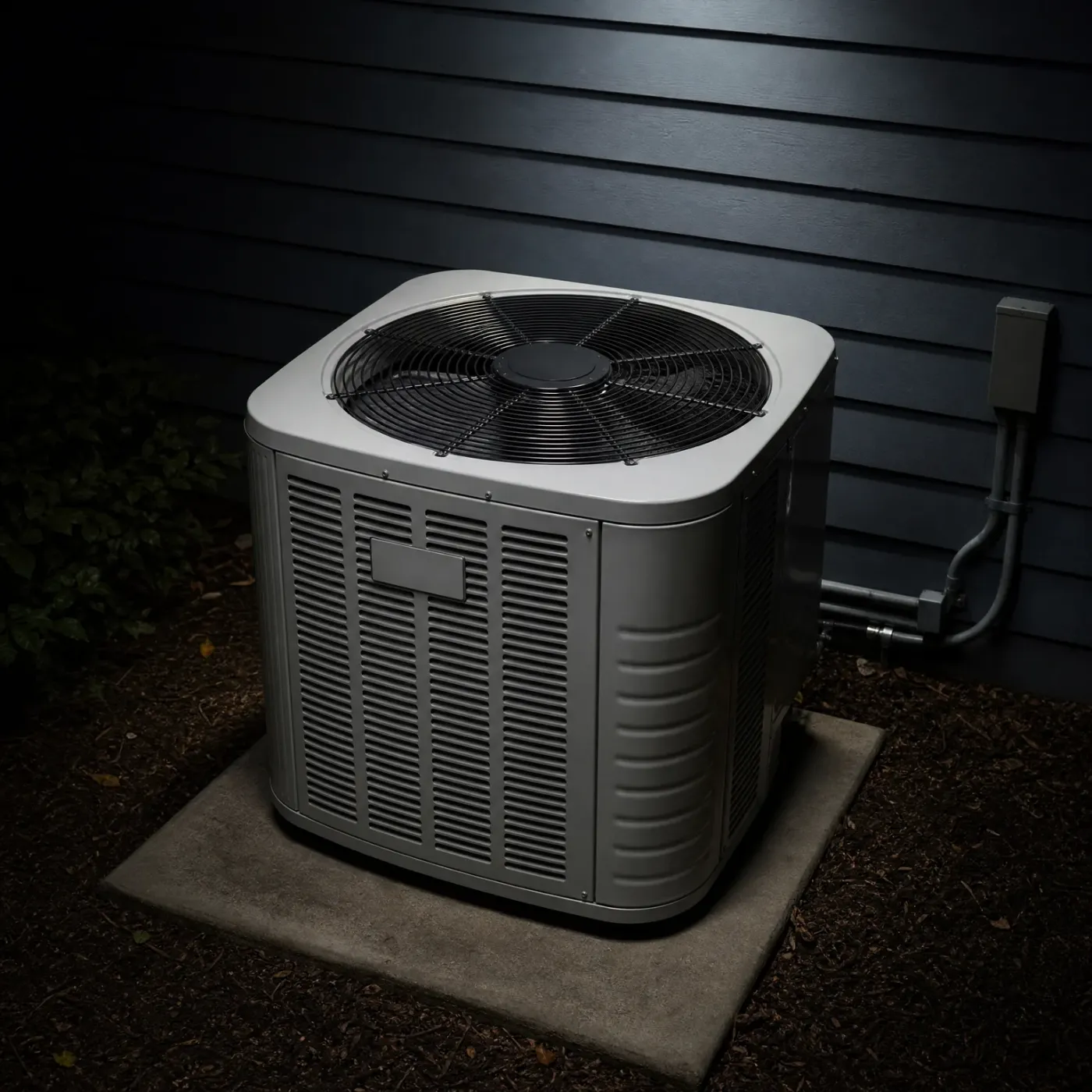
Your winter low here averages 23°F, and about 130 nights a year, over half the nights in the seven months you run heat, drop to freezing or below. That matters because a standard heat pump starts losing ground before it gets that cold. Below 40°F it puts out less heat than its rating says. Below about 35°F it often leans on backup heat to make up the difference. Your average night is below both marks. Almost every cold night here falls in the range where a standard heat pump is working harder for less.
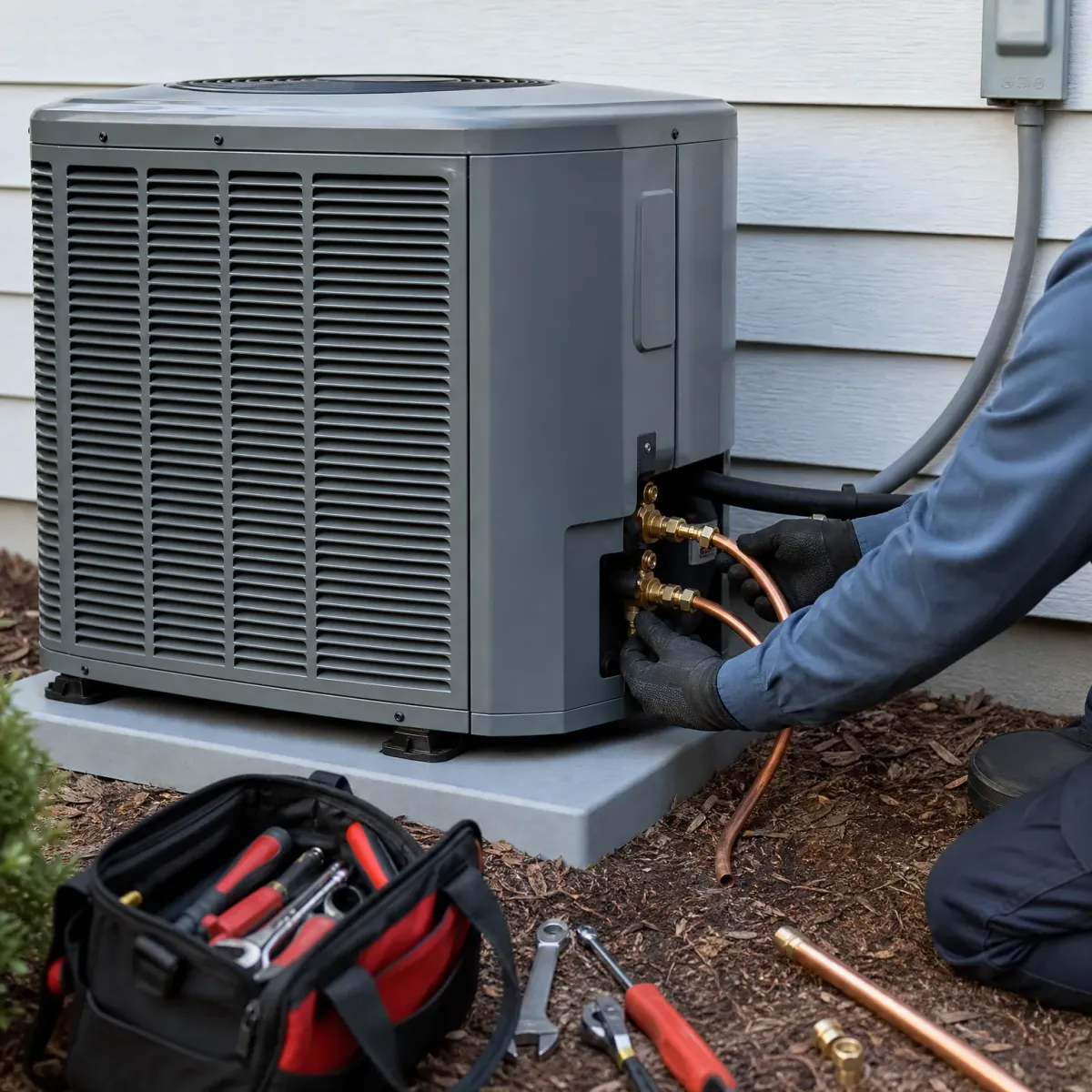
This doesn't rule a heat pump out. It changes which one you'd be buying. A cold climate model, the kind carrying the ENERGY STAR Cold Climate mark, is built and tested to keep most of its capacity down to 5°F, which covers this county's winters with room to spare. Only about one night a year here reaches 0°F. A standard heat pump sized for a mild climate will struggle on the nights that make up most of your winter. A cold climate heat pump is built for exactly those nights.
The running cost backs this up. A heat pump here costs $1.89 to make the same 100,000 Btu a gas furnace makes for $1.10. Part of that gap is the backup heat a standard heat pump leans on once the temperature drops, electric resistance heat, the most expensive heat there is. A furnace burning gas at New Mexico's price doesn't have that problem on a cold night. It makes its full output no matter how low the temperature falls.