Skip collecting and comparing quotes for the new furnace.
Most of the year in New Mexico, the air is working against your skin, not your furnace. Summers run hot and dry, and that dryness doesn't stop when the heat does. Once your furnace starts running on cold mornings, indoor air can get drier still, and a lot of homeowners notice it first in cracked skin, static shocks, or wood furniture that starts to creak and gap.
Whether you need a furnace humidifier comes down to your house and how dry it gets indoors once the furnace is on. Some homes handle it fine. Others get uncomfortable enough that a humidifier tied into the furnace makes a real difference, adding moisture to the air as it moves through the ducts rather than relying on a portable unit in one room.
If you decide it's worth doing, the next part is usually the harder one. You would need to find a contractor who installs these on gas furnaces, check that they're licensed, call a few, explain your setup and what you're trying to fix, then wait on quotes and try to compare them against each other without much to go on.
This page skips that part. You're matched with one licensed, local contractor, not a handful of companies competing for your callback. Someone who works on furnaces in New Mexico homes every winter knows which humidifier setups hold up against this climate and which ones struggle, and can look at your system directly instead of guessing over the phone.
From there, it's a conversation about your house, not a sales pitch. You find out whether a humidifier makes sense for your furnace and your home, and what installing one would involve.
Most homes in New Mexico benefit from a furnace humidifier, because the dry air that defines summers here doesn't let up in winter. Gas furnace heat pulls what little moisture is left out of the house, and indoor humidity can drop low enough to crack skin, dry out sinuses, and loosen wood furniture and floors. A furnace humidifier mounts to the ductwork and adds moisture back into the air as it's heated, so the whole house gets it rather than one room at a time. Whether you need one depends on how dry your house already feels once the furnace is running regularly, and whether static shocks, dry coughs, or cracking woodwork show up each winter. If they do, a humidifier tied into the furnace is a more lasting fix than running a portable unit from room to room.
Without a humidifier
This is a furnace running normal, nothing wrong with it. But with no humidifier tied in, every cycle pulls more moisture out of a house that was already dry to start with. The air coming off those ducts gets drier each week of winter.
What dry heat does over time
A furnace that's been pushing out dry heat for years shows it in the house, not always in the cabinet. Static shocks, cracked skin, wood floors and trim pulling apart at the seams. A humidifier installed on the furnace stops that at the source.
The unit sits on the ductwork itself, fed by a small tap into a cold water line nearby. No new plumbing has to run across the house for it. Inside, air moving through the duct either pulls itself across a water panel or gets pushed across one by a small fan, depending on which style is installed. A humidistat, usually set into the wall or the return duct, is what decides when water flows. It opens the valve when the air's too dry and shuts it off once the house reaches the level it's set to. None of this runs on its own schedule. The furnace blower has to be moving air for any moisture to get added, so the humidifier only works while the furnace is already heating. The one part that wears out on a known timeline is the water panel. Minerals in the water build up on it over a winter and it needs swapping before the next one starts, or it stops passing air the way it should.
How a furnace humidifier works
A furnace humidifier mounts directly on the supply plenum or return duct, not inside the furnace cabinet itself.
A saddle valve taps into a nearby cold water line to feed the unit, so no separate plumbing run is needed.
Bypass humidifiers use duct air pressure to pull air across a water panel, while fan-powered units use their own small blower.
A humidistat, usually mounted on a wall or the return duct, tells the unit when to open the water valve.
The water panel, or evaporator pad, has to be swapped out roughly once a season since mineral buildup from hard water clogs it.
The humidifier only adds moisture while the furnace blower is running, so it cycles on and off with the heat, not on its own schedule.
Before you get your furnace installationAfter you get your furnace installation
You already know what dry means by February, the static, the bloody noses, the skin that won't stop cracking no matter how much lotion you go through. Finding someone to put a humidifier on your furnace means figuring out which contractors around you actually install these, not just service furnaces, then getting them out to look at your plenum and your duct layout and your water line before anyone can even quote the job. That's calls back and forth, schedules that don't match yours, and explaining the same thing to each one. Here the request goes to one licensed contractor working in New Mexico, someone who sees this exact setup, gas furnace, bypass or fan-powered unit, saddle valve into the cold line, all season long and knows which models hold up against water this hard. You get one call to make, not five to sort through, and someone who already knows what the job in your house involves before they walk in.
Two kinds, one goal
Bypass humidifiers use the furnace blower to push air through a water panel, and they only work while the furnace is running. Fan-powered units have their own small motor, so they can add moisture even on milder days when the furnace cycles less. Either one ties into the ductwork and the water line, and either one needs a humidistat to tell it when to stop. The choice usually comes down to how the house holds moisture, not personal preference.
Where the moisture setting matters
A humidistat reads the percentage of moisture in the air and shuts the unit off once the house reaches that level, usually somewhere in the 30s or low 40s in winter. Set it too high and moisture ends up on cold windows and inside exterior walls. Set it too low and you're back to cracked skin and static by February. The right number depends on how cold it gets outside on a given night, which is why some units adjust the target automatically as outdoor temperature drops.
Winter nights average 23°F statewide
A 23°F night means your furnace isn't cycling on and off, it's running long stretches to keep up. Longer runs mean more hours pulling moisture out of the air in your house, which is exactly when a humidifier earns its keep.
NOAA nClimDiv 1991-2020 county normals weighted by homes
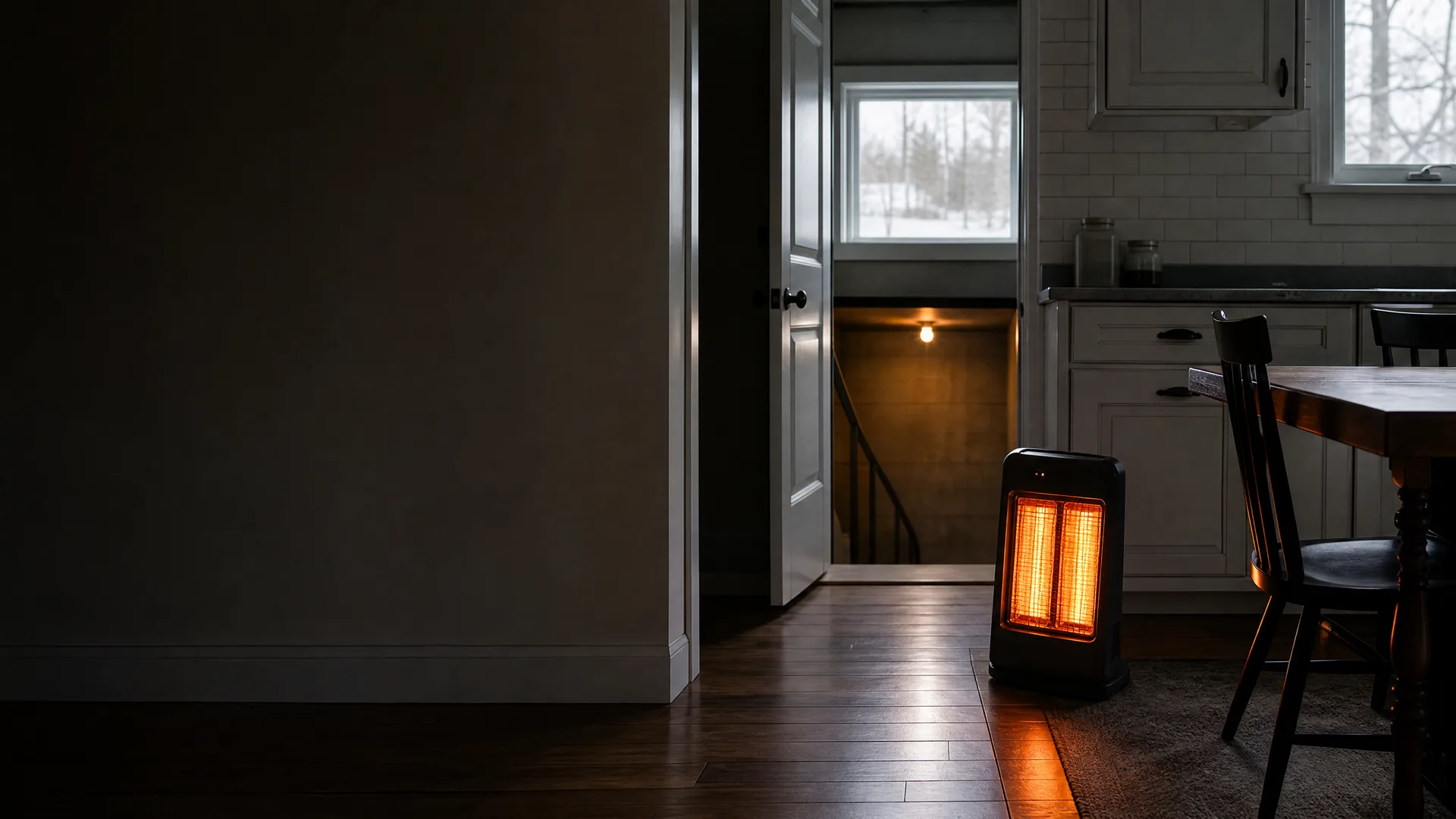
Six-thirty, still dark outside, and the kitchen is the only warm room in the house. You've got the little space heater pulled out from the closet again, glowing orange by the table leg, and the basement door standing open because that's where the cord reaches from. Your furnace is running, you can hear it, but your hands are cracked at the knuckles and your daughter's had two bloody noses this week already. The coffee mug leaves a ring because your lips are too dry to feel the heat right. Outside, New Mexico is doing what it does in late winter: cold and bone-dry at once. You add it to the list of things to call about.
A furnace like this moves heat through your ducts fine, humidifier or not, since the blower doesn't care what's riding in the air.
Same furnace, no humidifier, and the gas pipes and flue are the only moisture leaving this basement while your house dries out room by room.
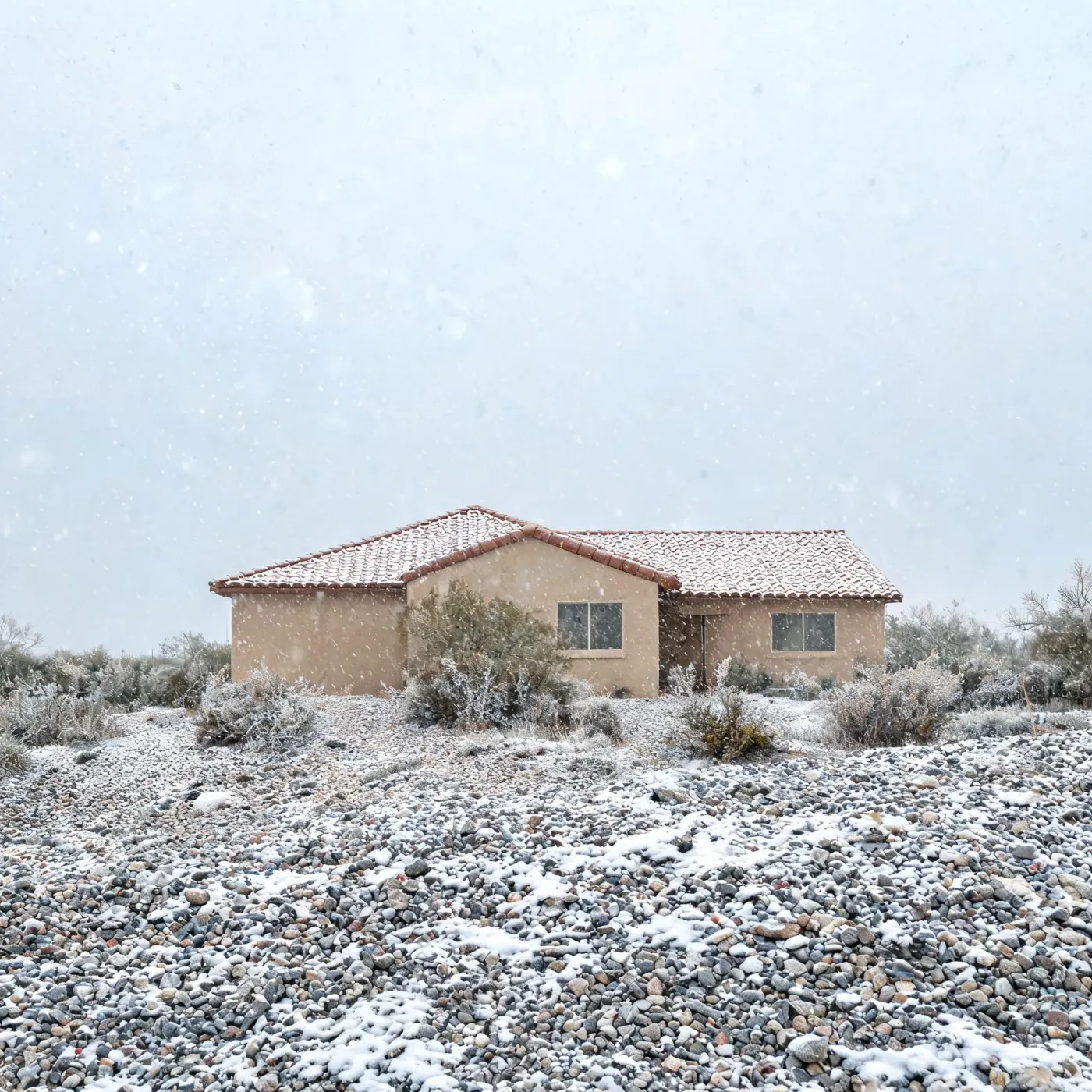
23°F is the average winter night across New Mexico, and cold like that keeps your furnace running long stretches rather than short bursts. Cold air can't hold much moisture to begin with, and once your furnace heats it, whatever moisture was there spreads thinner still. You'll notice it on your hands first, then on doorknobs that shock you and wood trim that starts to gap. A humidifier tied into the furnace puts some of that moisture back while the system runs, so the air moving through your ducts isn't working against you all winter.
NOAA nClimDiv 1991-2020 county normals weighted by homes
What are you noticing in your own house right now
You wake up with a dry throat. Your lips keep cracking no matter how much balm you use. You touch a doorknob or hug your kid and get a static shock every time. Picture frames and wood furniture show hairline gaps at the joints that weren't there in summer. Houseplants droop even though you're watering them on schedule. If anyone in the house has asthma or allergies, winter nights seem to bring on more coughing. None of this means anything is broken. It means the air moving through your ducts all winter is drier than what your body and your house are built to handle, and it's pulling moisture out of both.
1
A contractor sets the target humidity level on the control.
2
The furnace calls for heat and the blower starts.
3
A damper opens and lets duct air enter the humidifier.
4
Water from the saddle valve wets the panel or drum.
So, do you need one
Yes, most houses in New Mexico are better off with one. Your furnace already does the work of heating the air all winter. Without a humidifier tied into that system, it's also drying the air out every time it runs, and there's nothing in a standard setup to put any of that moisture back.
Getting it installed means finding a contractor who does this kind of work regularly, not just furnace swaps, and knows where the saddle valve should tap in and how to size the unit to your ductwork. Instead of calling around to a handful of companies and explaining your setup each time, you get matched with one licensed contractor local to you who already handles this equipment every winter. No comparing quotes from strangers, no repeating yourself. Just someone who shows up knowing what they're looking at.
Furnace Installation
Skip the search
A local installer who puts in furnaces gets your project.
Get in touch with a local installer about a new furnace.
Send it once and finding someone is no longer on you.
Send the form and stop researching installers for the new furnace.
Describe your furnace job once, to one pro.
Fill out one short form instead of calling around.
Your request goes to one pro, not a list of companies.
The pro who reaches out is licensed in New Mexico.