

Heat pump vs furnace in Doña Ana County, New Mexico

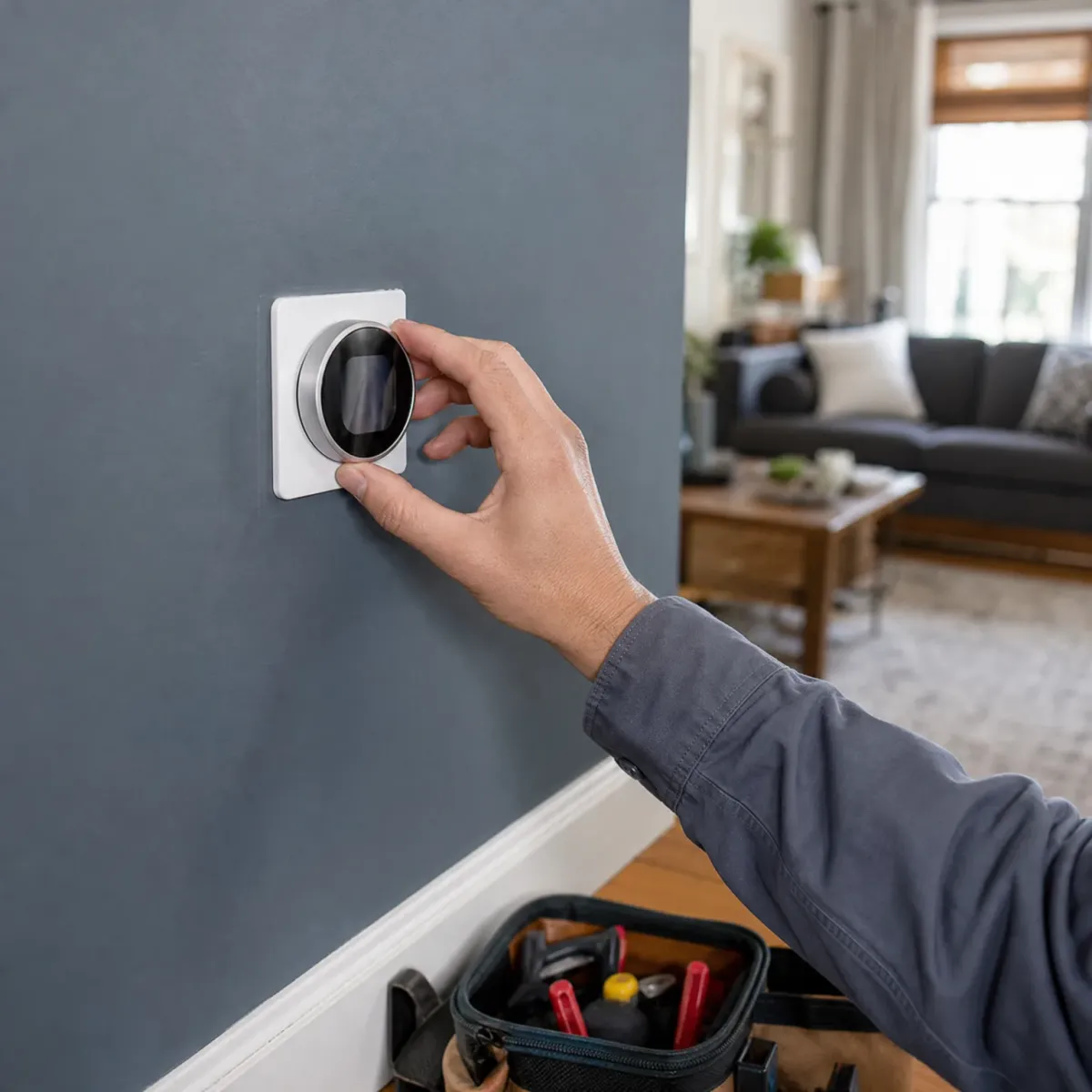
A person's hand adjusts a round thermostat on a dark blue-gray wall, with a living room and an open tool bag visible in the background.

Tell us about the job

Takes about a minute. No obligation.

New system or replacementDoña Ana County, NM
Step 1 of 3

What kind of equipment?

Which costs less to run in Doña Ana County?

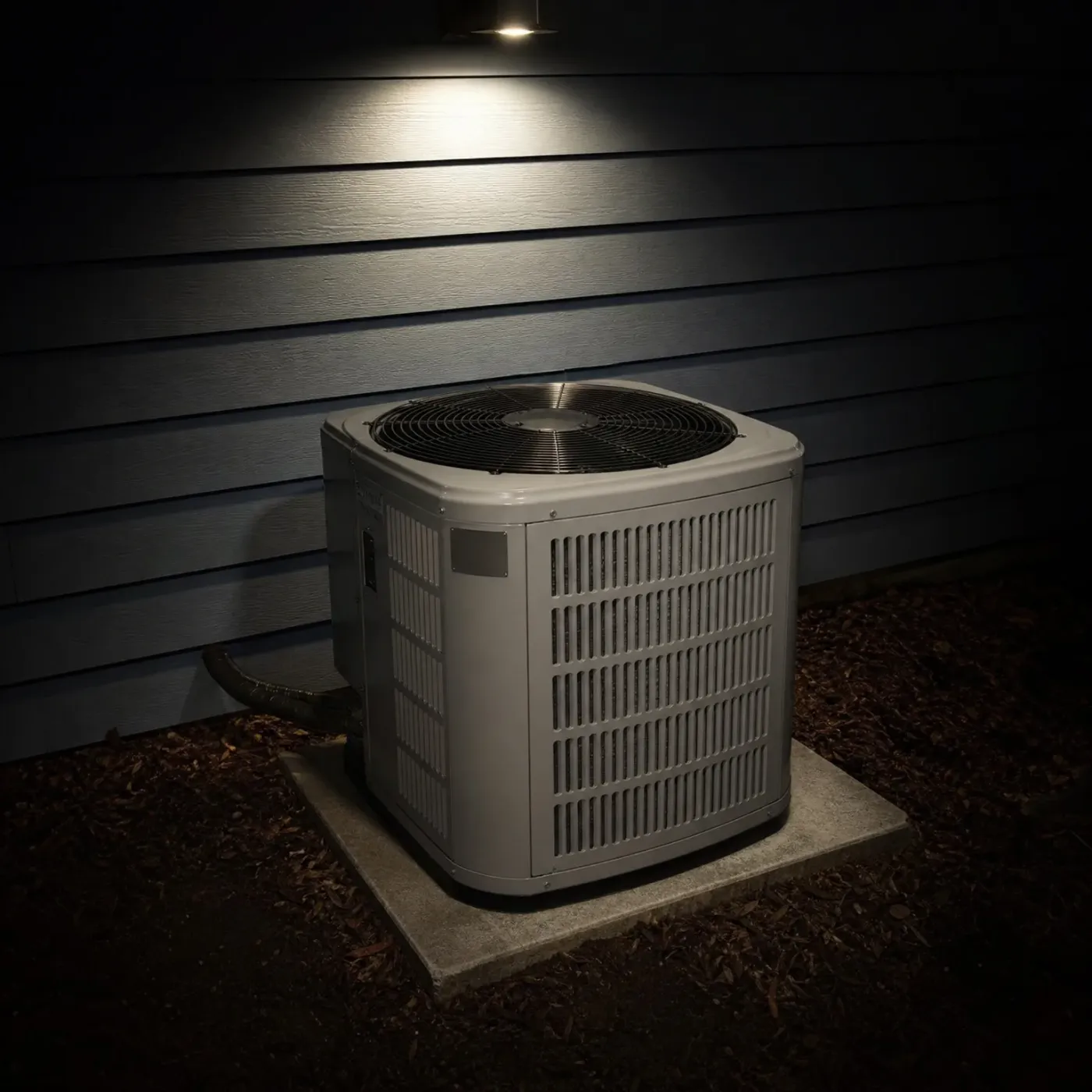
An outdoor air conditioner or heat pump condenser unit on a concrete pad beside a dark horizontal-lap sided wall at night, lit from above by a wall-mounted light, surrounded by mulch.

Heat pump

To heat your home here$1.89per 100,000 Btu

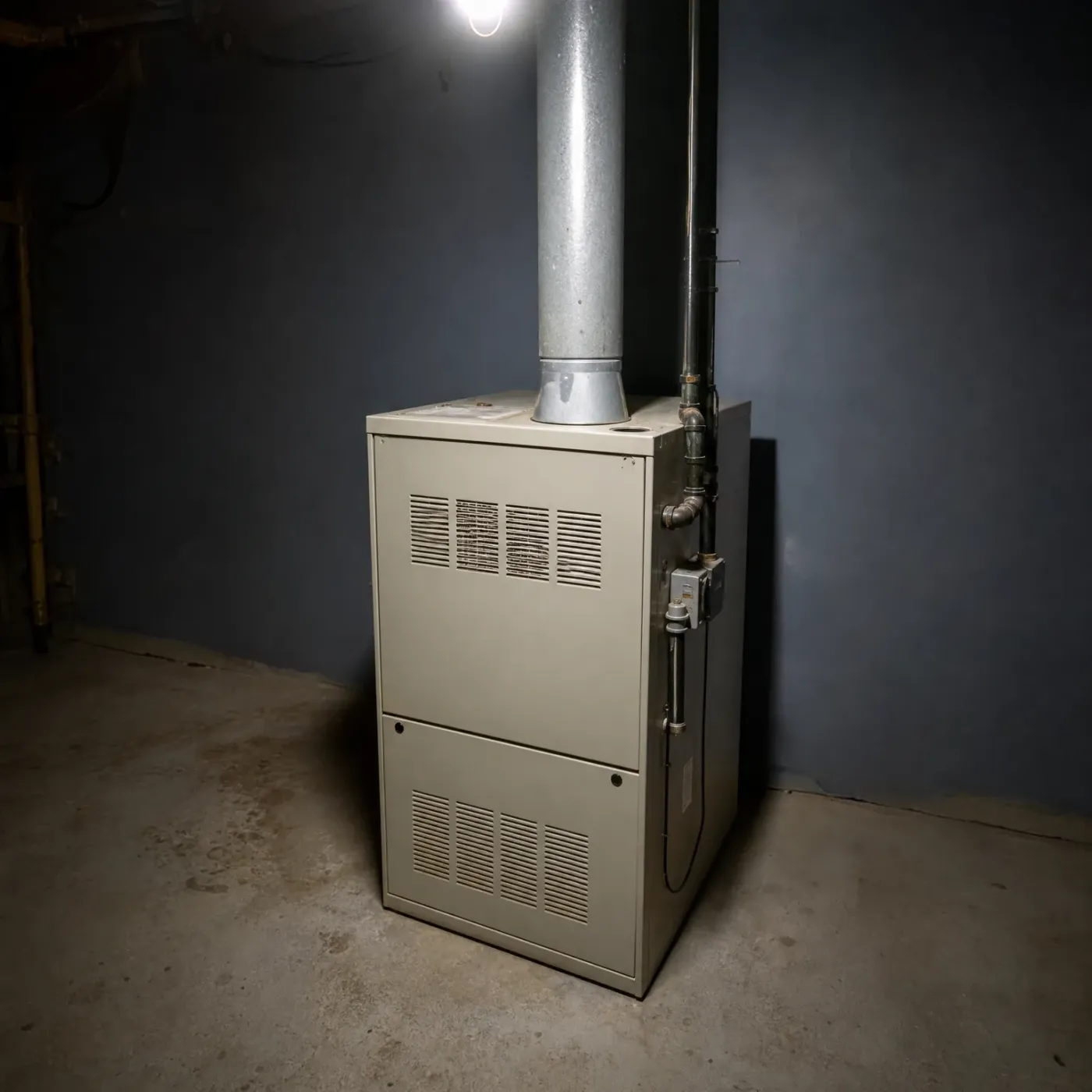
A beige residential furnace with louvered front panels stands on a concrete basement floor against a dark gray wall, with a metal flue pipe rising from its top and gas piping along its right side.

Furnace

To heat your home here$1.10per 100,000 Btu

At New Mexico's gas and electricity prices, a gas furnace makes the same heat as a heat pump for at least 41% less.

Btu stands for British thermal unit, the standard measure of heat energy.

Where does a heat pump shine?

  • Covers a long cooling season

    A heat pump cools the same way an air conditioner does, so it's doing real work here from May through September. Since it handles both heating and cooling in one system, it's running most months of the year either way.

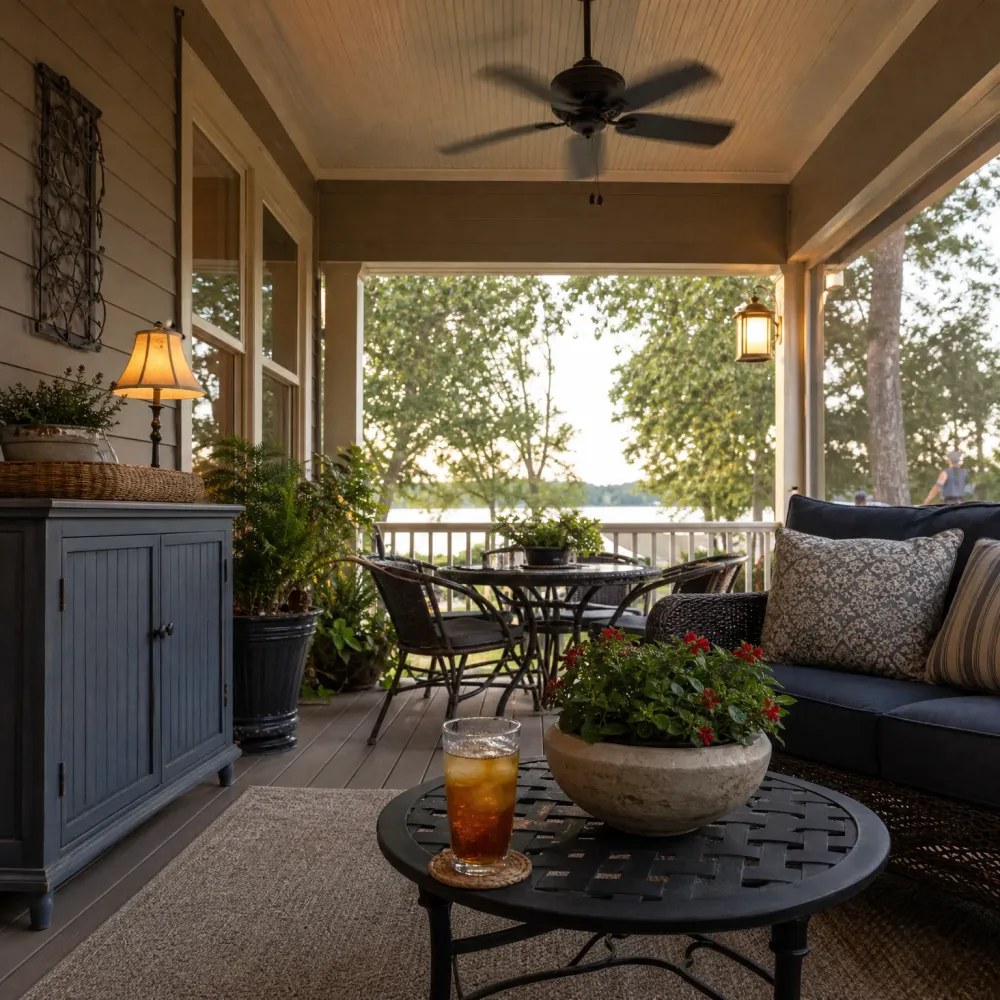
    A covered porch with a ceiling fan, lamp-topped blue cabinet, wicker sofa with cushions, a metal table holding a glass of iced tea and a potted flowering plant, and a dining set near a railing overlooking trees and water.
  • No gas line, nothing burning in the house

    It moves heat instead of making it from fire. That means no combustion, no flue and no gas bill for heat.

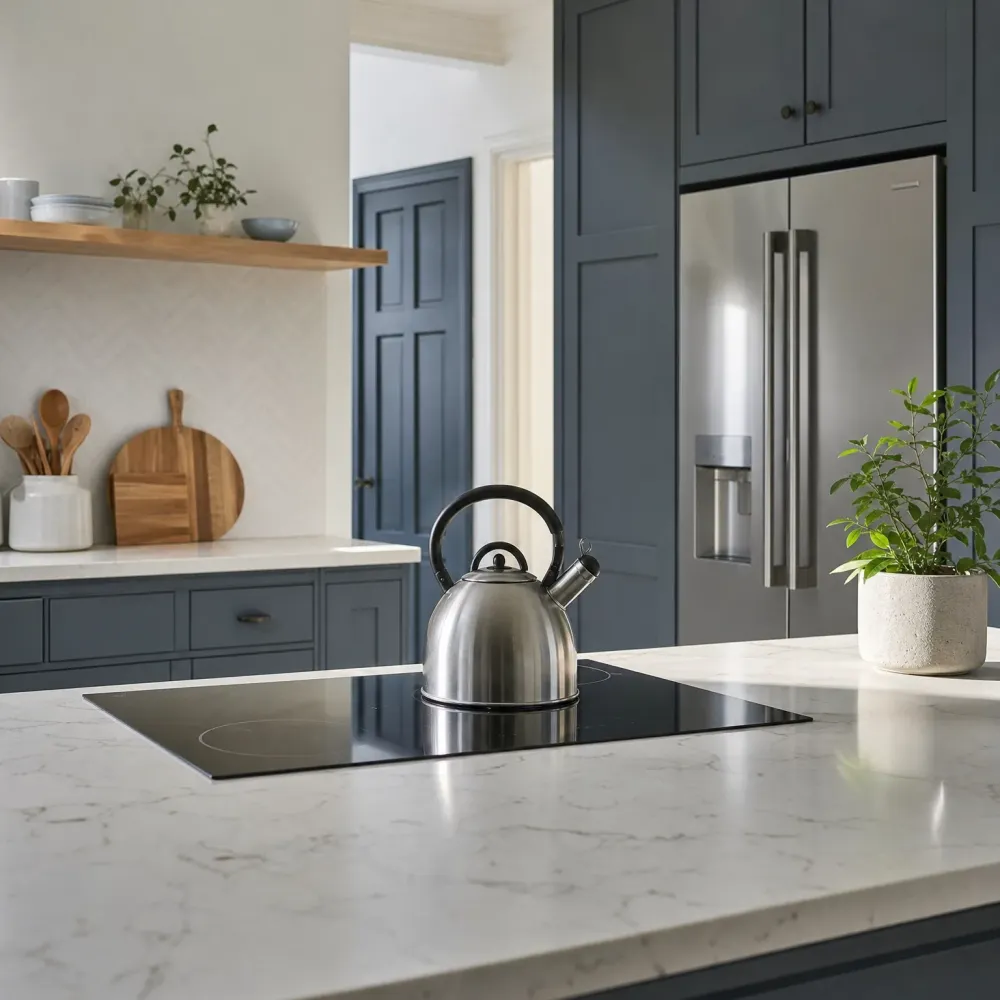
    A kitchen island with a white marbled countertop holding a black induction cooktop and a stainless steel whistling kettle, with dark blue-gray cabinetry, a stainless steel refrigerator, a potted green plant, and a wooden shelf with utensils and cutting boards in the background.
  • Heats and cools in one system

    Winter and summer are covered by the same outdoor unit. That's one machine to service instead of two.

    A cream sofa with navy and light blue cushions and a blue fringed throw sits beneath a white sash window overlooking a green garden, with a dark built-in bookshelf at left, a potted plant in a woven basket at right, and a wooden coffee table holding a vase of white flowers, books, and a mug.

Where does a furnace shine?

  • Runs on the gas most homes here already use

    Most homes in Doña Ana County already heat with utility gas, so the line is likely already run to your house. A furnace just uses what's already there.

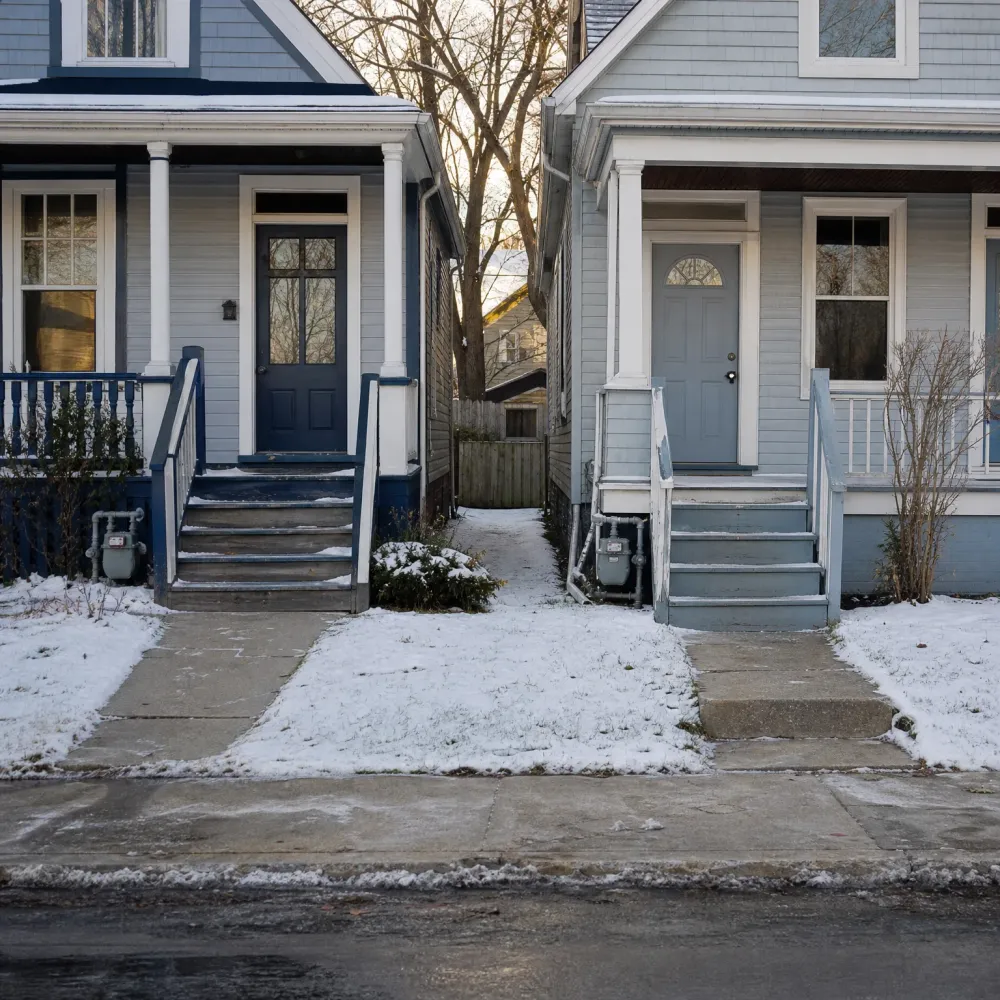
    Two adjacent wood-sided houses with covered porches, railed front steps and gas meters, separated by a narrow walkway, with patchy snow on the lawns and a concrete sidewalk in front.
  • Proven, simple, easy to get serviced

    Parts are easy to find and most repairs are routine. Getting one fixed rarely means waiting on a specialist.

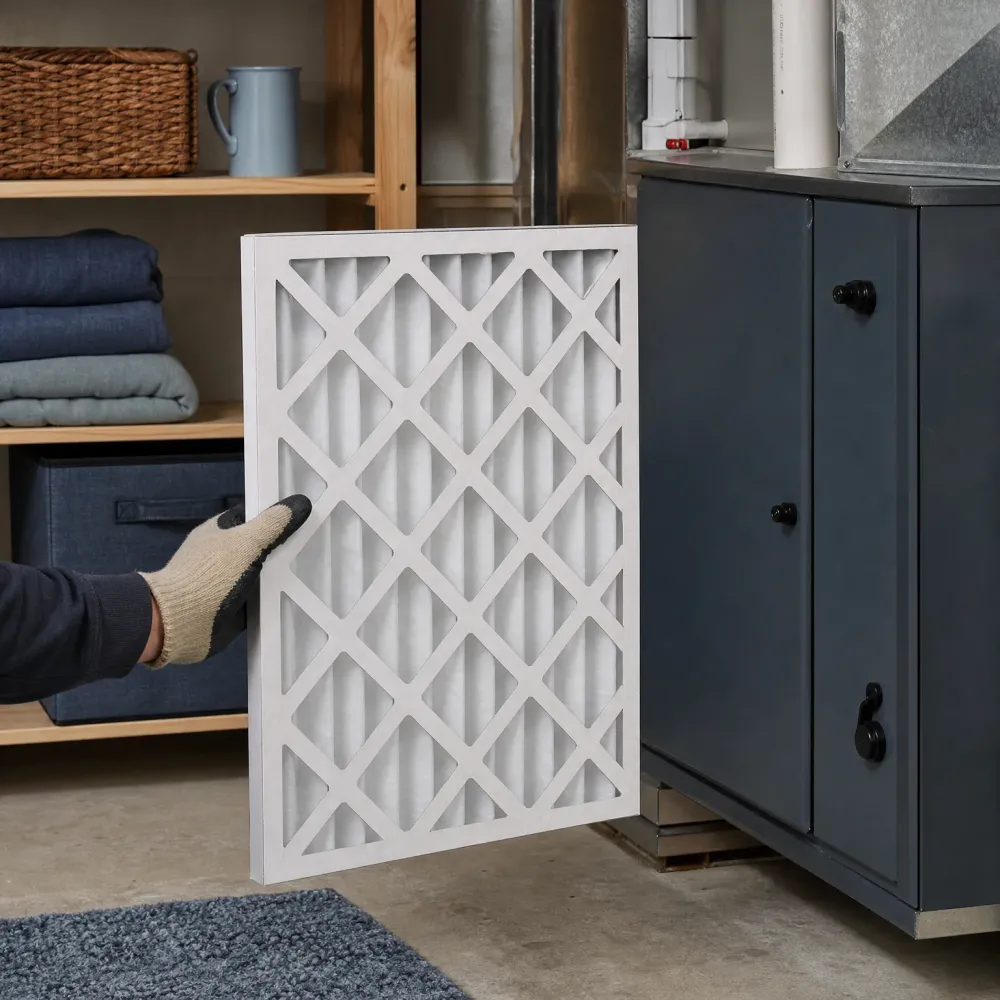
    A gloved hand holds a large pleated air filter in front of a dark gray furnace unit in a basement utility area with shelving and folded textiles nearby.
  • Pairs with any central AC

    A furnace's blower and ducts carry cooled air too. Adding central AC uses the same system.

    Sunlit living room corner with wood flooring, a floor air vent near a glass door with white sheer curtains, a wooden dresser, a potted plant in a woven basket, a gray armchair, a patterned fringed rug, and a dark mug and book on a wooden table.

What winter here does to a heat pump

Your furnace or heat pump here runs six months a year, November through April, and the overnight low in those months averages 30°F. That number matters more than it looks like it should. A standard heat pump starts losing heat output below 40°F, and below about 35°F it usually needs backup heat to make up the difference. Thirty degrees sits under both marks, not near them.

This is not a rare cold snap. The overnight low falls to freezing or below about 75 nights a year here, and every one of those nights is already past the point where a standard heat pump is working at a disadvantage. That is under half of the roughly 180 nights in heating season, but it is still a lot of nights where the machine is not putting out what its rating promises.

The cold does not go much further than that, though. Nights at 0°F or below come fewer than once a year. So this is not a place that demands a heat pump built for deep cold. It is a place where an ordinary one spends a lot of winter nights working harder than its rating suggests, without ever facing the extreme end of what a cold-climate unit is built for.

A cold-climate heat pump is built for exactly this kind of winter. To earn that label it has to keep making real heat, at least 1.75 units out for every one unit of electricity in, down at 5°F, and hold onto most of its capacity at that temperature. In a two-winter field test of prototype cold-climate units in occupied homes, backup heat only covered a small share of the load between 0°F and 35°F, and the units rarely ran on backup alone even above 0°F. If a heat pump is the choice, that is the kind worth asking for here, not the federal-minimum unit the running-cost numbers above are based on.
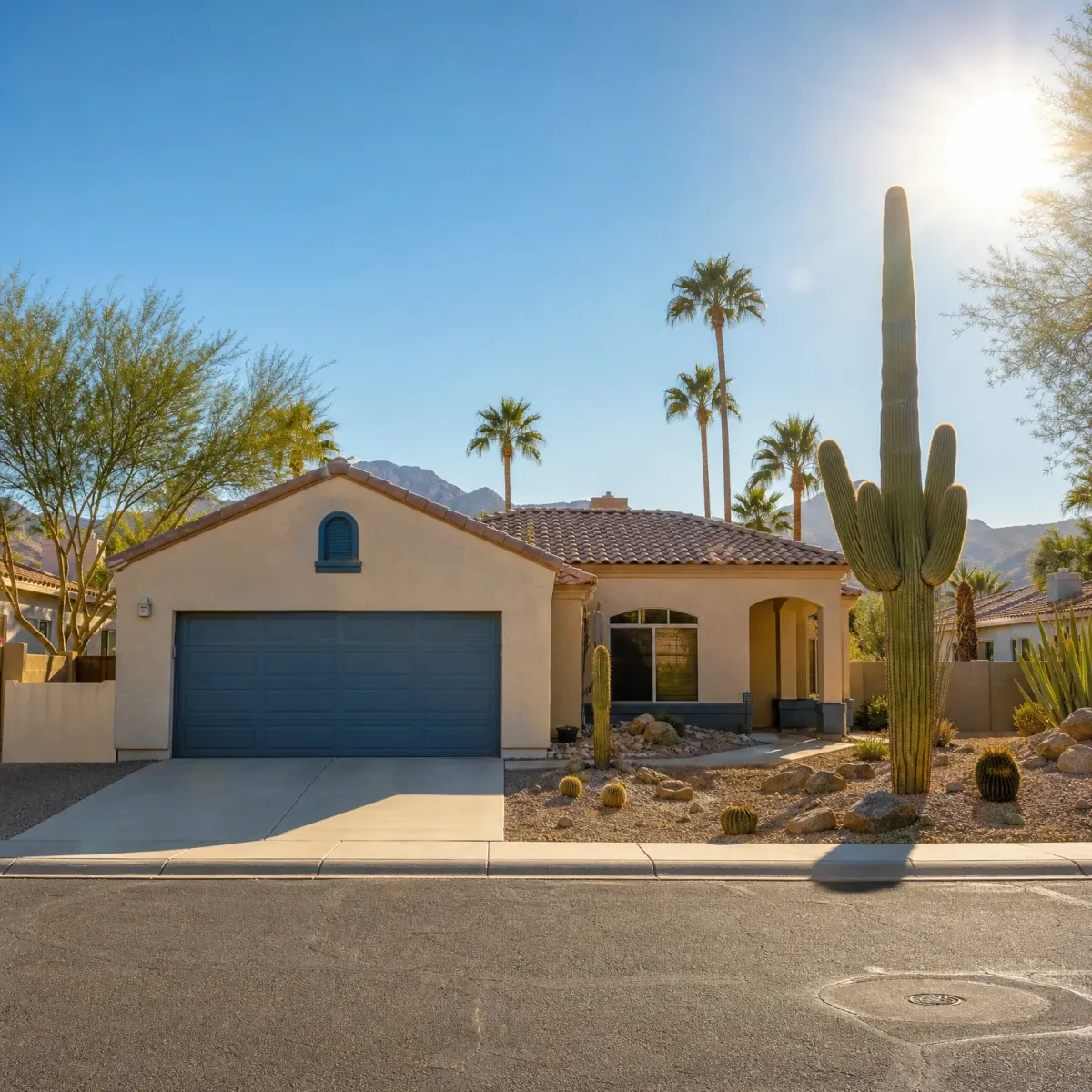
Single-story stucco house with a tile roof and blue two-car garage door, fronted by a concrete driveway, gravel yard with saguaro and barrel cacti, palm trees and mountains in the background.

What it costs to run, and what already heats this county

At New Mexico's average fuel prices, a furnace built to the federal minimum makes the same heat for $1.10 per 100,000 Btu against $1.89 for a heat pump built to the federal minimum. That gap holds before accounting for any backup heat the heat pump needs on the cold nights above, which would add to its number, not close it. On operating cost alone, the furnace wins here.

That cost gap lines up with what people already have. Utility gas heats about three in five homes in the county, electricity a little under one in three. A furnace runs on the fuel most of this county is already set up for.

A furnace only does one job. It has nothing to do in the five months cooling runs here, May through September, when the afternoon high averages 94°F across June, July and August and hits 90°F or better on about 105 days a year. A home with a furnace needs a separate air conditioner to get through that stretch. A heat pump covers both jobs with one system, which matters most in a county where the cooling season runs almost as long as the heating one.

So the choice comes down to what it's weighed against. Lower running cost and a fuel most homes already use point to the furnace, paired with its own AC. One system instead of two, and nothing burning inside the house, point to the heat pump, built for cold climates given how many nights here sit below 35°F. Either way, half the homes in this county were built in 1991 or earlier, so what the house already has, a gas line and ducts sized for a furnace, or neither, is worth checking before deciding which way the cost argument actually runs for that house.

Sources: NOAA nClimDiv · NOAA 1991–2020 seasonal normals · EIA SEDS 2024 · 10 CFR 430.32 · PNNL Building America guide · PNNL-37127 field study · ENERGY STAR product criteria · Census ACS 2020–2024

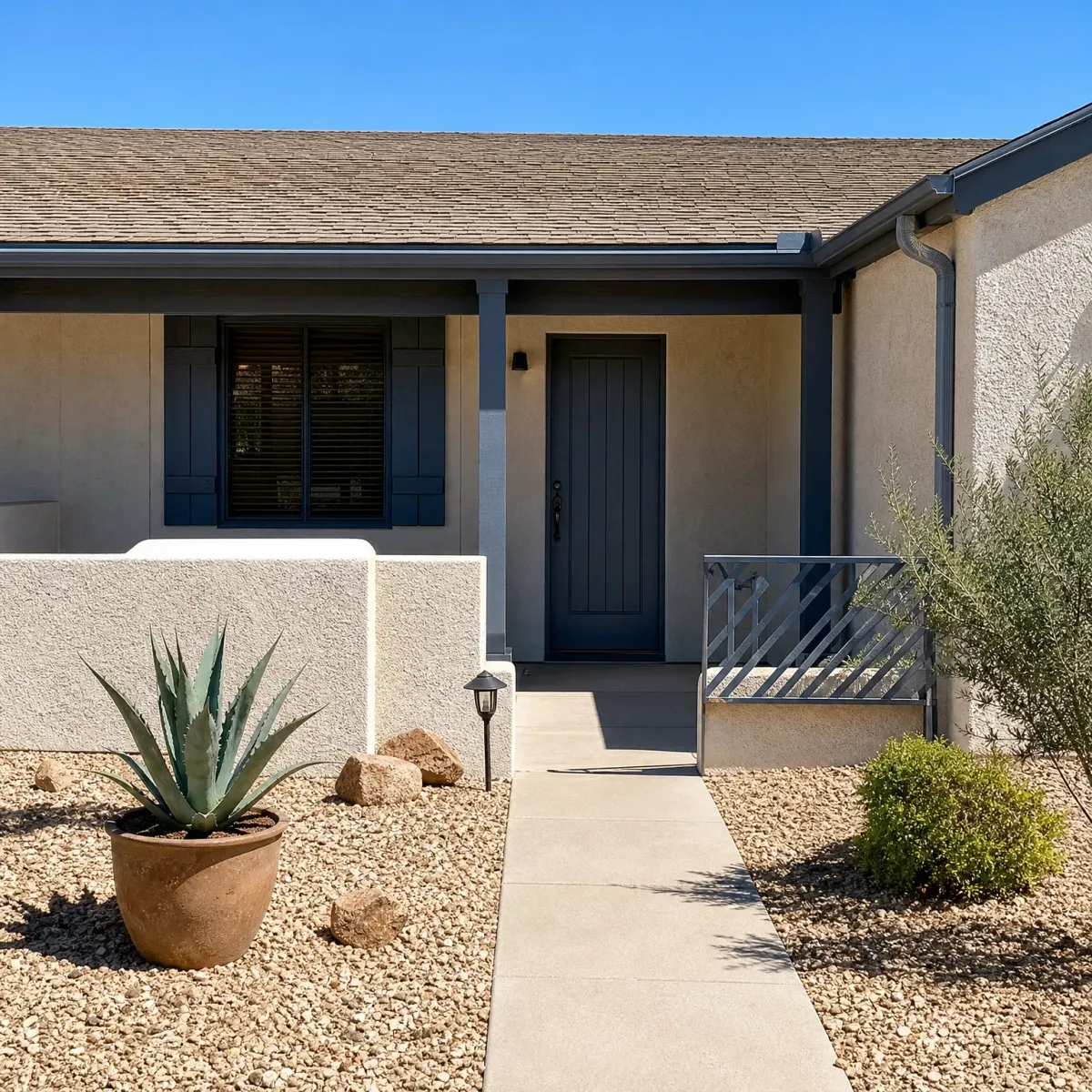
Front entry of a single-story stucco house with a shingled roof, dark blue door and window shutters, a metal handrail, and a concrete walkway through gravel landscaping with a potted agave, rocks, and shrubs.

Common questions about heat pumps and furnaces

  • Can a heat pump heat a house through a New Mexico winter?

    It can, but a standard one struggles on the coldest nights here. Below 40°F a heat pump's output falls short of its rated capacity, and below about 35°F it often needs backup heat, and the average overnight low here in December, January and February is 30°F. About 75 nights a year here fall to freezing or below, and a standard heat pump is working below its rating on every one of them, which is why most installs here pair it with a furnace or other backup for those nights.

  • Will a heat pump keep my house cool enough here?

    Yes. Cooling is where a heat pump has nothing to prove, it's just a central air conditioner running in the other direction. The afternoon high here averages 94°F through June, July and August, and ordinary central AC is built for that, heat pump or not.

  • Can I keep my furnace and add a heat pump?

    Yes, and here it's the more common setup than a heat pump alone. A furnace handles the cold under about 35°F, where a standard heat pump's output falls short of its rating and it leans on backup heat anyway. The furnace covers those nights, the heat pump covers the rest, and you get one system that also cools the house all summer.

  • Is a heat pump cheaper to run than a furnace in Doña Ana County?

    No, not here. Gas runs $1.10 per 100,000 Btu of heat against $1.89 for a heat pump, both machines built to the federal minimum. New Mexico's gas price is the reason, at $8.83 per million Btu against $41.61 for electricity.